


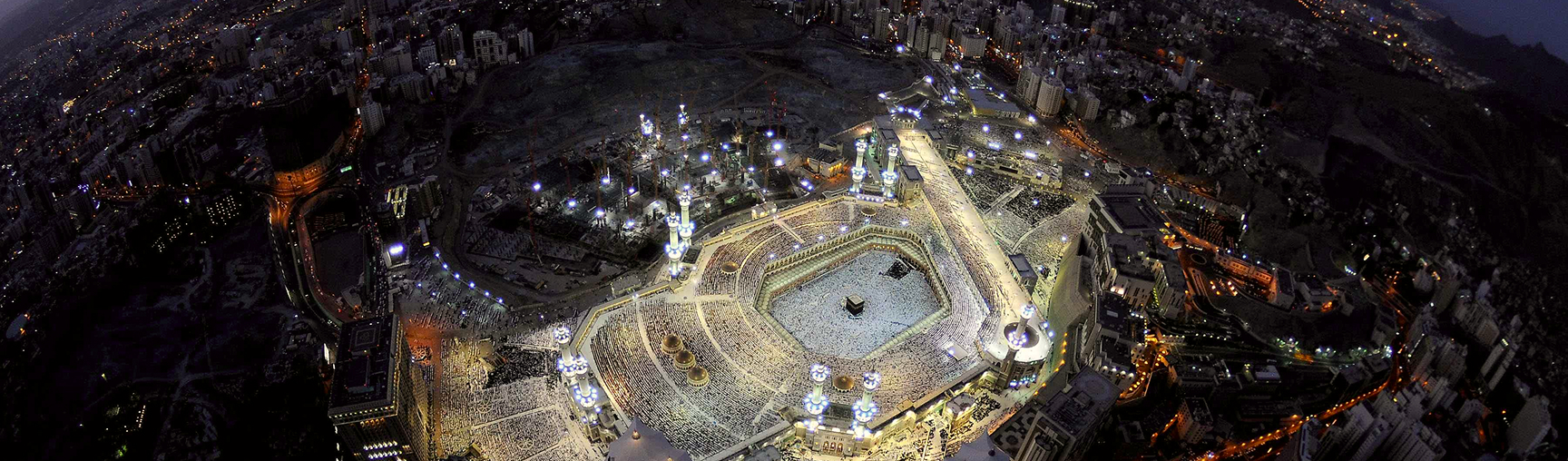
For centuries, Makkah has been a meeting point and destination for millions of visitors from all around the world — a true crossroads of civilizations and cultures. This rich human interaction has shaped a unique local cuisine, where traditional Makkawi dishes reflect the city’s remarkable cultural and culinary diversity.
Makkah’s kitchen offers a wide variety of foods inspired by flavors from Asia, Africa, the Levant, and beyond — each carrying the essence of the people who once arrived and settled here. Together, these flavors tell the living story of Makkah as a global hub where cultures blend harmoniously, making its cuisine a vibrant reflection of the city’s timeless heritage.
.webp?language=ar)
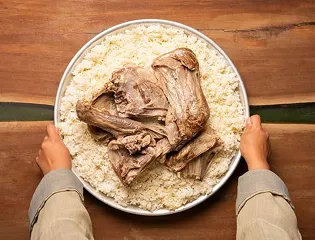
Originally from Ta’if, saliq has become a staple in Hijazi cuisine, especially served during large gatherings and festive occasions. It is regarded as a luxurious dish that reflects local hospitality.
saliq originated in Ta’if and was traditionally prepared in cold weather for warmth and energy. Over time, it spread across the Hijaz region, becoming a symbol of generosity and a key part of the region’s culinary heritage.

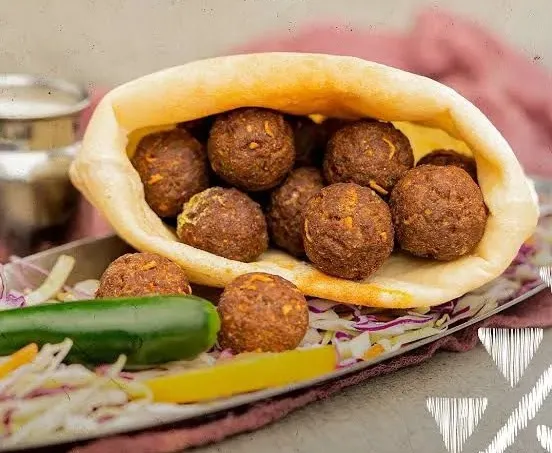
Kabab Al-Mero has a long-standing history in the region, traditionally prepared in homes and grilled during social gatherings and festive celebrations. Its smoky flavor and tender texture have made it a beloved part of local culinary heritage.
Originally prepared at home and grilled during social gatherings and festive occasions, Kabab Al-Mero has, over time, become a staple in local barbecue restaurants. Today, it stands as an iconic dish of the region, symbolizing Hejazi generosity and hospitality, and is a must-try for visitors to Makkah.
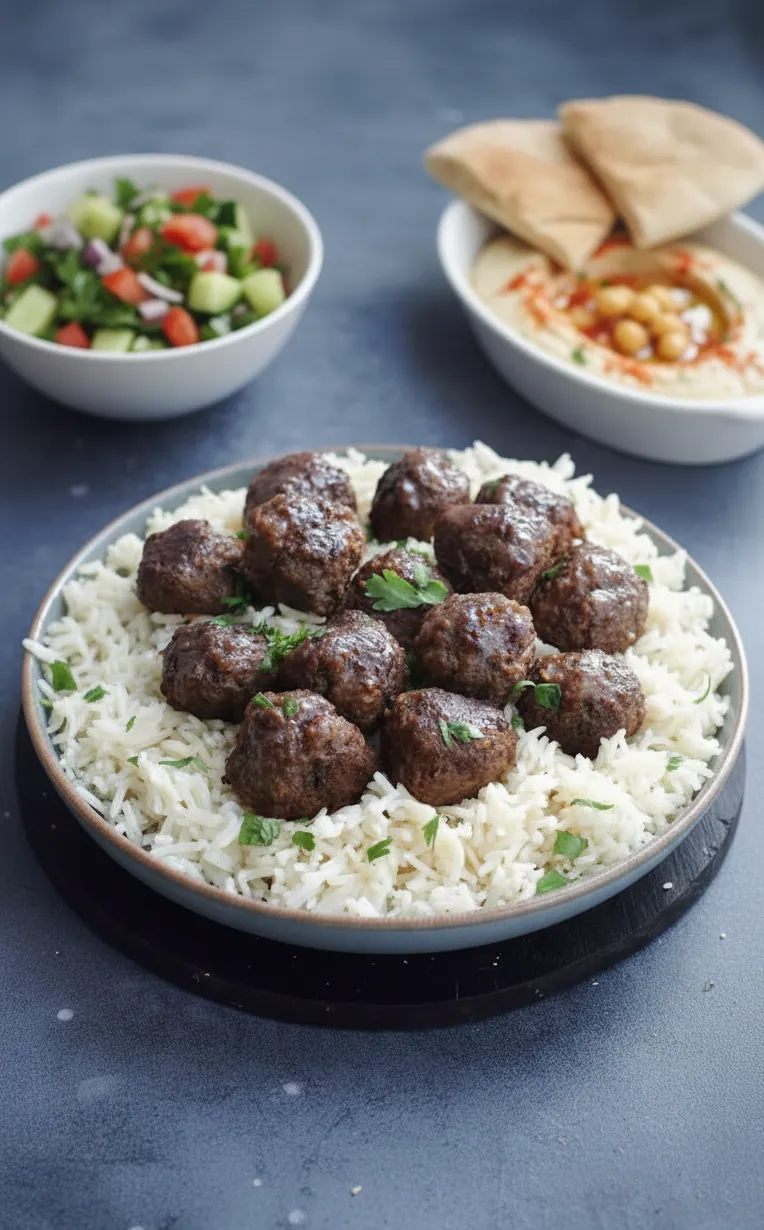
Mabshour Makki has long been a culinary hallmark of Makkah. Traditionally prepared as a centerpiece for grand occasions and festive gatherings, it embodies the spirit of Hijazi hospitality—generous, warm, and deeply rooted in heritage.
The name Mabshour is believed to come from the traditional way the meat is prepared—either finely shredded or cut into small pieces—or perhaps from the method of cooking the rice itself. Beyond its name, Mabshour Makki stands as a treasured part of Makkah’s culinary heritage, showcasing the simplicity yet richness of the region’s local ingredients.
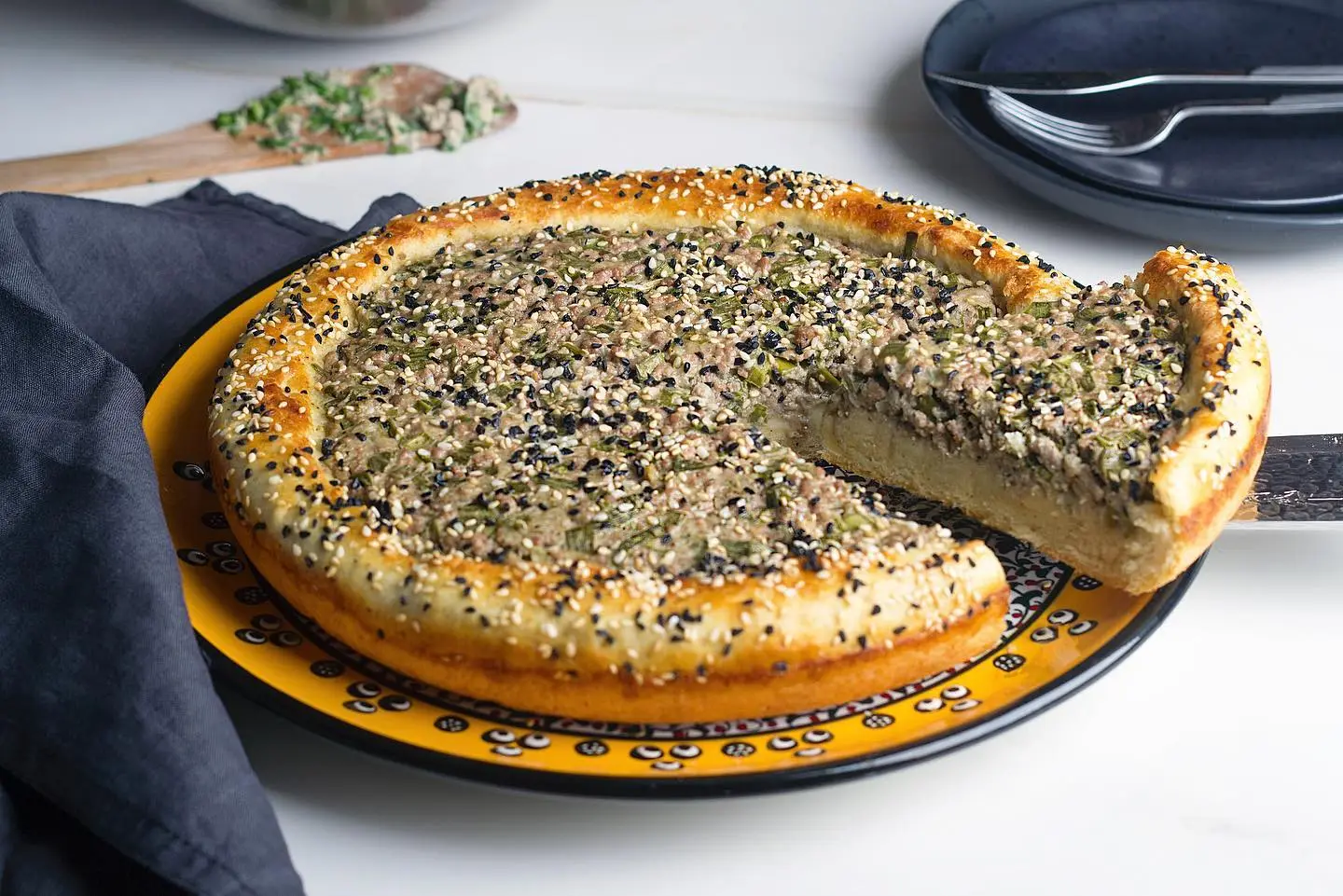
Al-Aish Bil Lahm (or Aish Bil Lahm) is a famous, traditional meat pie popular in the Hejaz region, particularly in Makkah . It consists of a thin, baked dough flavored with fennel and anise, topped with a minced meat filling. The secret to its distinctive flavor lies in mixing the meat with liquid tahini and a generous amount of chopped leeks, with the addition of vinegar and lemon to impart a refreshing tangy taste. This combination results in a balanced and rich flavor, making it one of the most delicious local dishes.
Al-Aish Bil Lahm stands at the heart of the authentic Makkawi and Hejazi culinary tradition, having been meticulously refined by the locals to become a distinctive regional icon. Despite Makkah's historical exposure to diverse pilgrim cultures, the dish's enduring status is owed to its local essence. The unique addition of specific ingredients and special spices to the dough are the unmistakable hallmarks of this dish. It is a cherished part of Makkah residents' customs, traditionally served at events, holidays, and most notably, during the Iftar meals in Ramadan, cementing its identity as an authentic, beloved staple.
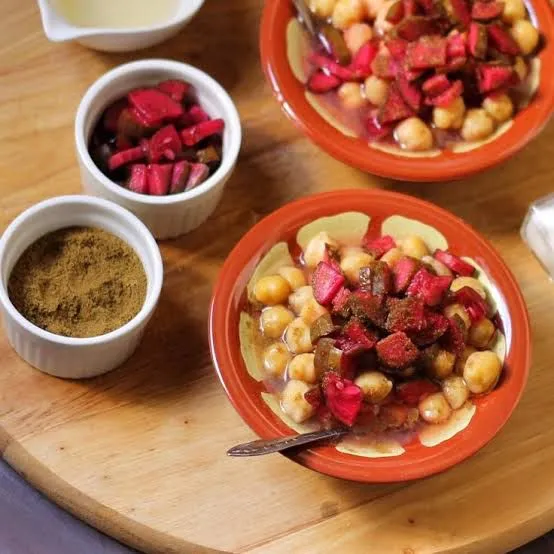
Balila is all about harmony of flavors—the gentle tang of vinegar meets the savory touch of salt, lifted by the bold aroma of cumin. The chickpeas are tender and comforting, giving the dish a smooth and satisfying texture. Traditionally enjoyed hot during chilly winter evenings or served cold as a refreshing summer snack, Balila is both nourishing and delightfully light—an authentic Hejazi favorite for every season.
Balila has been part of Makkah’s culinary story for generations. Once sold from roaming carts and tiny neighborhood shops—especially in the old quarters—it became known as a quick, wholesome snack loved by both locals and visitors. Even today, Balila carts remain a familiar sight across the city, especially in the evenings, keeping alive a cherished tradition. More than just a dish, Balila is a symbol of the region’s street food heritage and timeless flavors.
.webp?language=ar)
Hejazi Foul is a popular breakfast dish in Saudi Arabia, especially in Makkah. Served hot, it is both nourishing and filling, making it a favorite choice for locals and visitors alike.
This dish has long been part of Makkah’s food culture. Once sold from street carts and small shops in the early mornings, it became a staple breakfast. Today, foul restaurants in Makkah remain a must-visit for those seeking authentic Hijazi flavors.
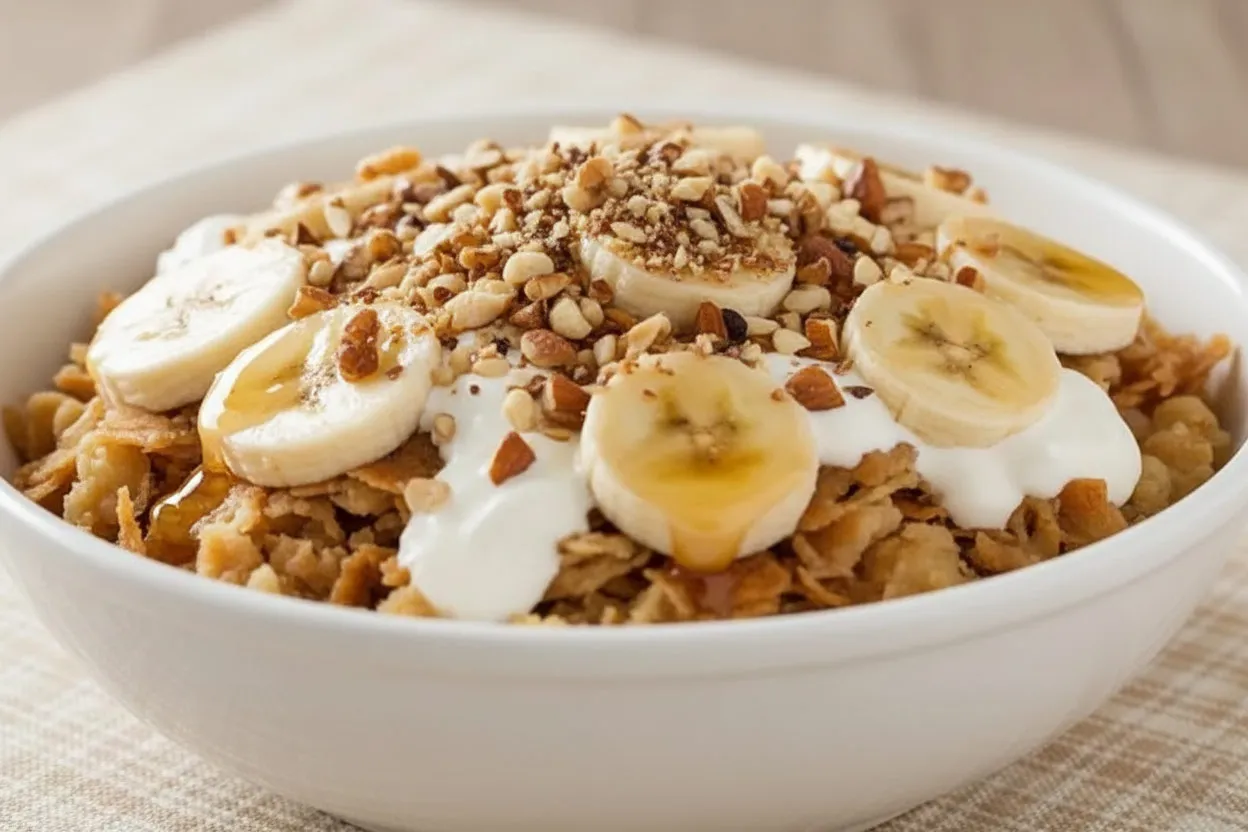
Ma’soub is a popular breakfast dish in Makkah, Jeddah, and Madinah. Today, it is served in specialized restaurants as well as prepared at home, making it a versatile part of local cuisine.
Historically, Ma’soub was a staple breakfast for workers and pilgrims due to its energy-rich ingredients. Over time, it evolved with additions like cream, honey, and nuts, reflecting the generosity and simplicity of Hijazi culinary heritage.
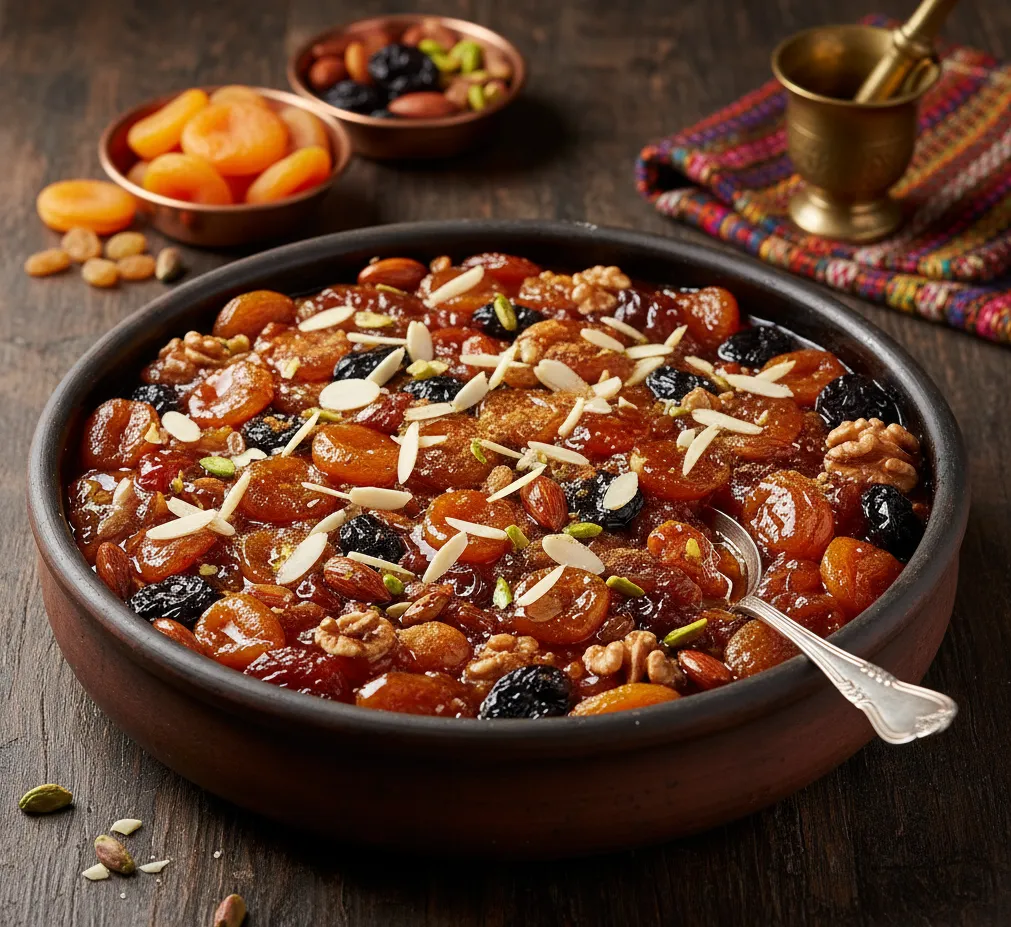
Dobiaza is a cherished traditional dessert, especially popular in Makkah, Jeddah, and Madinah. Deeply associated with Eid al-Fitr, it has long been a celebratory treat—prepared by homemakers days before the festival and served to guests on the first day of Eid. Rich in flavor and cultural significance, Dobiaza embodies the spirit of Hejazi hospitality and festive warmth.
Dobiaza dates back to ancient times and is a treasured part of Hejazi culinary heritage, reflecting the region’s generosity and hospitality. Its name is believed to derive from the word “Daba”—referring to a preparation method that may involve soaking the ingredients to achieve its unique texture. Even today, Dobiaza remains a symbol of Eid joy in the Hijaz, continuing to grace tables in homes across the region during festive celebrations.
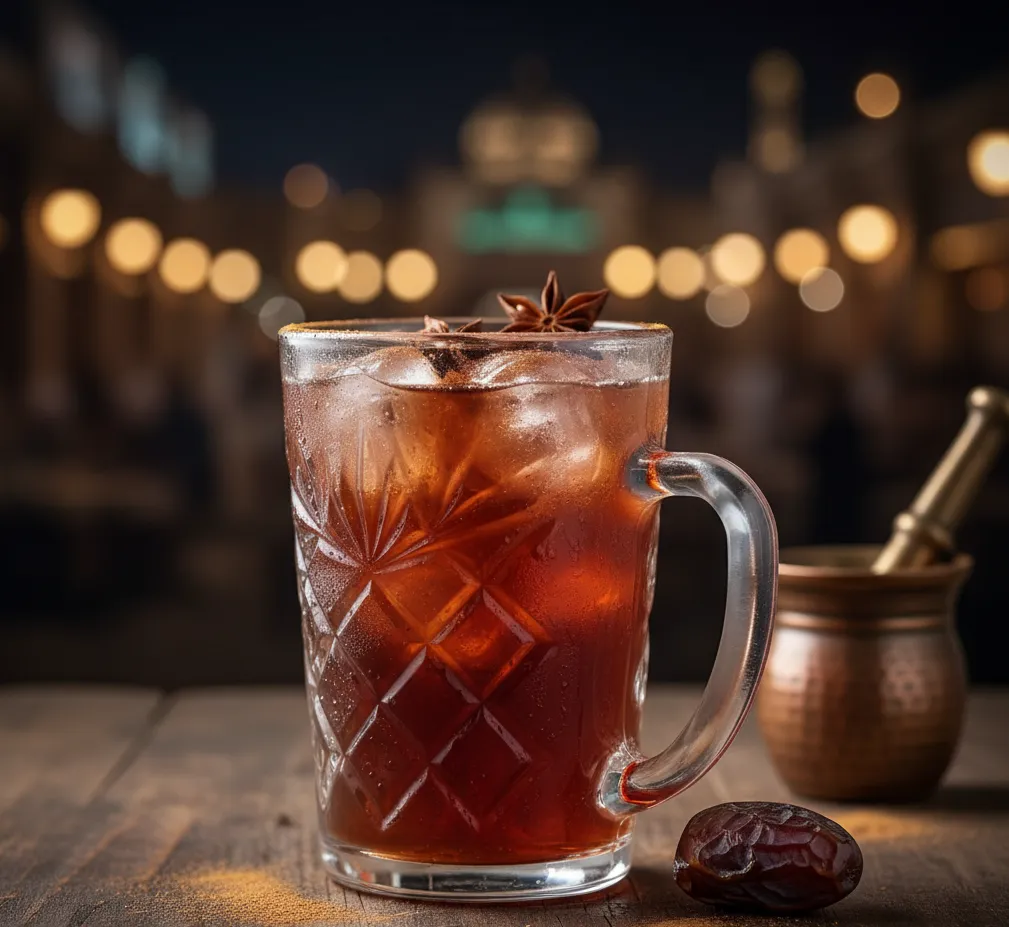
Sobia is one of the most beloved traditional drinks of Makkah and the wider Hijaz region. Deeply tied to the city’s history, it was once prepared in homes and sold in bustling local markets, becoming an inseparable part of community life especially during Ramadan.
Sobia has earned its place as a staple drink of Ramadan, always present on iftar tables. Even today, traditional Sobia carts remain a familiar sight in Makkah’s streets during the holy month, keeping alive a cherished symbol of the region’s culinary heritage and popular food culture.
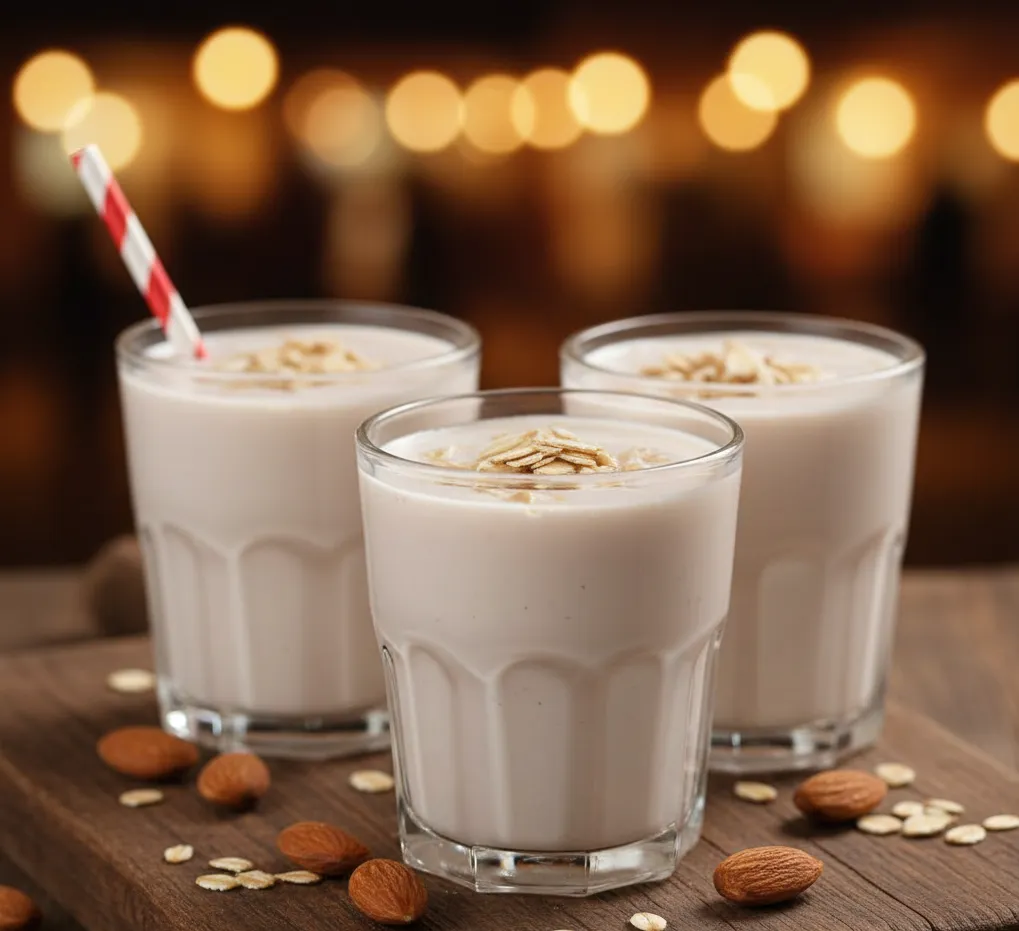
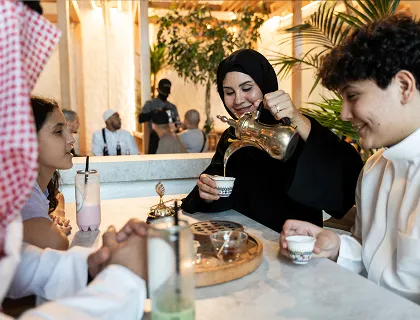
Almond Coffee has long been a popular drink in Makkah and throughout the Hijaz. More than just a beverage, it reflects the region’s love for warm, nourishing flavors and remains a comforting staple of traditional hospitality.
Traditionally prepared at home as a quick, nourishing treat—especially during the winter months or the holy month of Ramadan—Almond Coffee has long been a symbol of Hejazi hospitality. It was often served to guests as a warm gesture of welcome and generosity. Even today, this comforting drink continues to be made in Hejazi households and is still found in traditional sweet shops across Makkah, keeping its legacy alive as a cherished part of local culture.
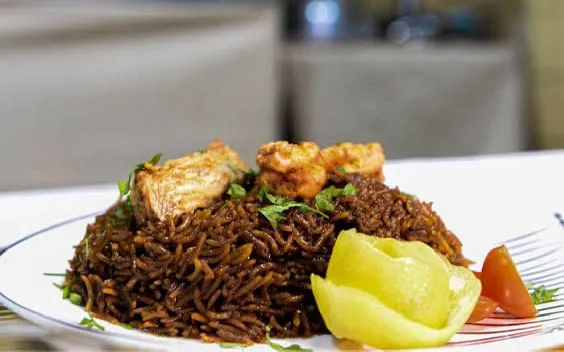
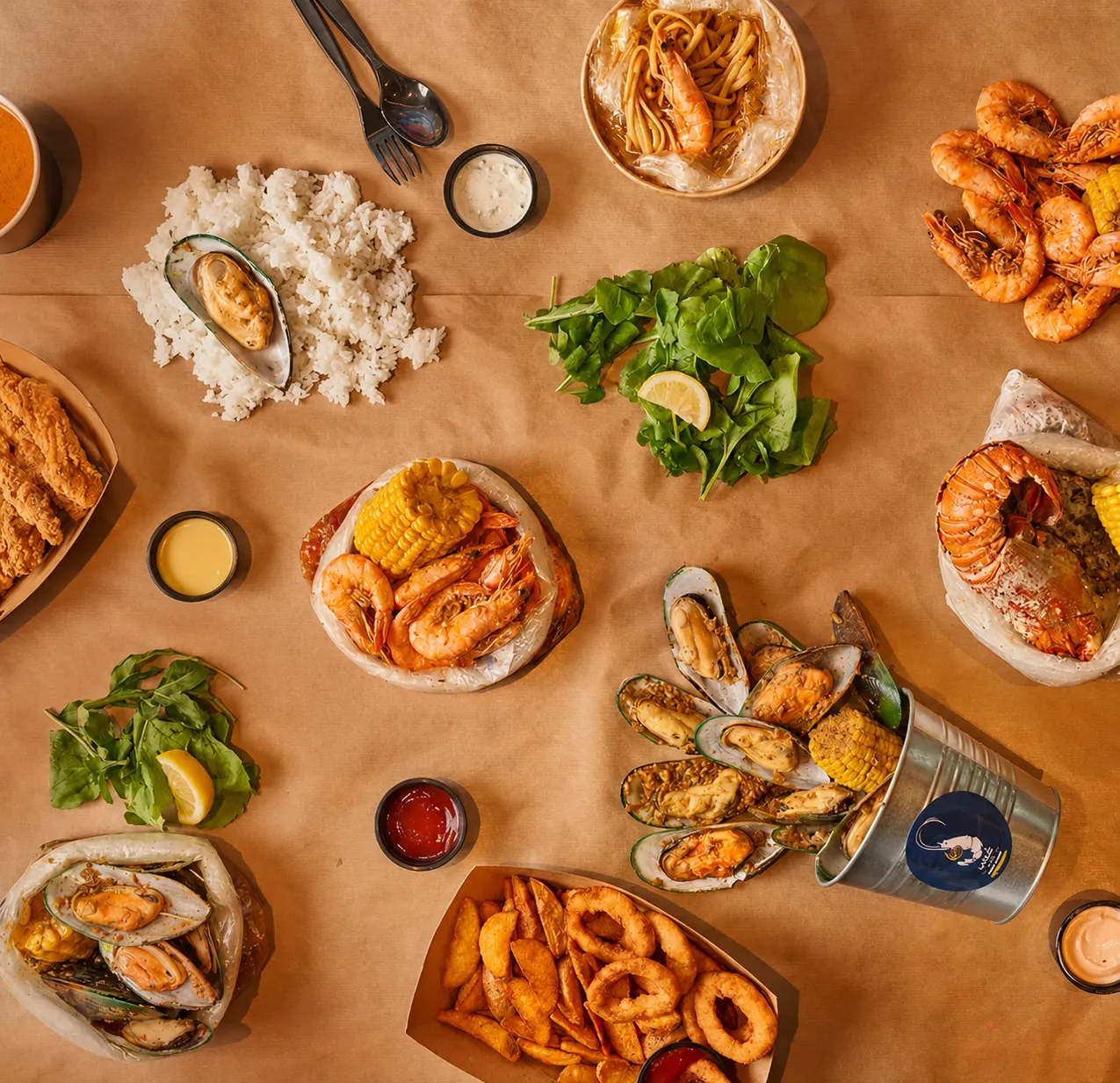
Sayadiya is a beloved seafood dish that originated in coastal cities like Jeddah and Yanbu, but it has also become a staple in Makkah. With roots dating back centuries, it was traditionally prepared as a main meal in cities along the Red Sea. Over time, Sayadiya has found its way into popular eateries in Makkah, especially those specializing in authentic Hejazi cuisine. Today, it stands as a testament to the city’s culinary diversity, influenced by centuries of trade and the flow of pilgrims from around the world.
Dating back centuries, Sayadiya was originally prepared as a main meal in cities along the Red Sea. Over time, it became a popular offering in Makkah’s local eateries, particularly those specializing in authentic Hejazi cuisine. Today, Sayadiya reflects the rich culinary diversity of Makkah, shaped by centuries of trade and the steady flow of pilgrims from across the world.
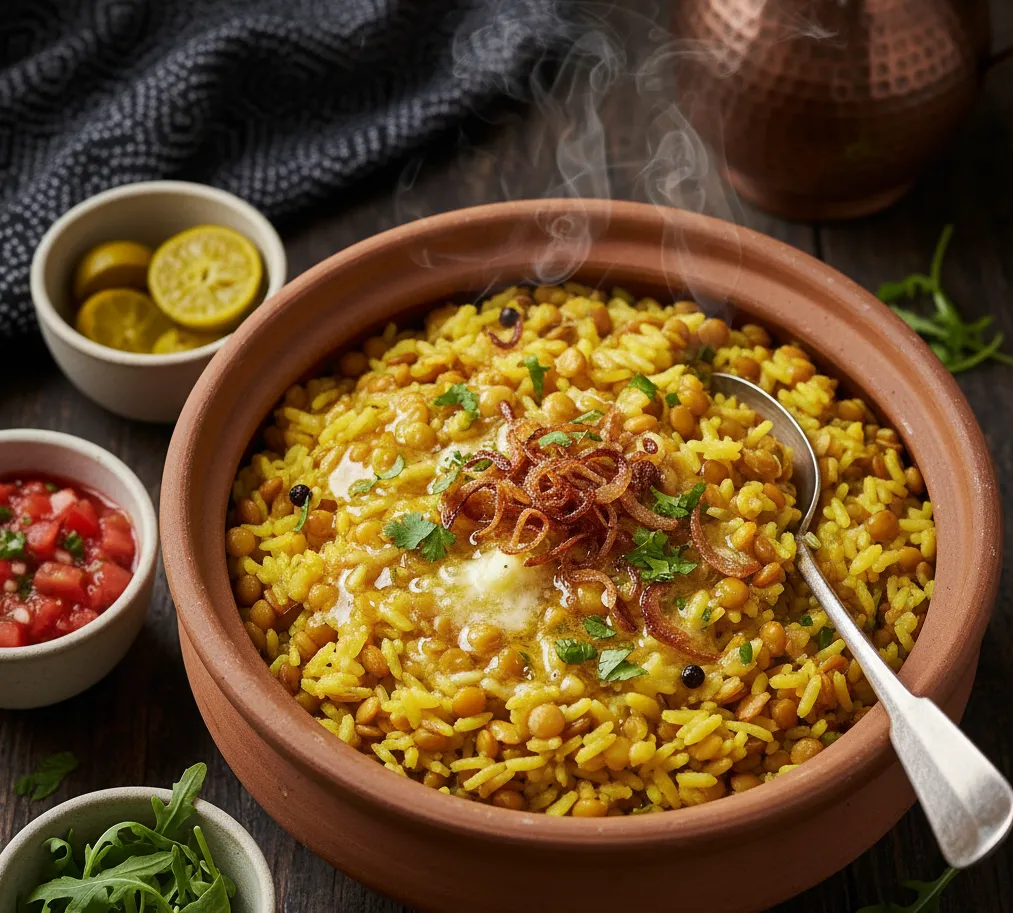
Ma’adoos is a popular traditional dish, especially cherished in Makkah and throughout the Hijaz. Its comforting flavors and hearty ingredients have made it a staple of local cuisine for generations.
Historically, Ma’adoos was prepared at home as a staple meal, particularly during the colder months or throughout Ramadan. Known for its simplicity and reliance on locally available ingredients, it reflects the straightforward yet generous culinary heritage of the Hijaz. Even today, Ma’adoos continues to be made in Hejazi households and served in traditional eateries, preserving its place as a beloved part of authentic Makkah cuisine.
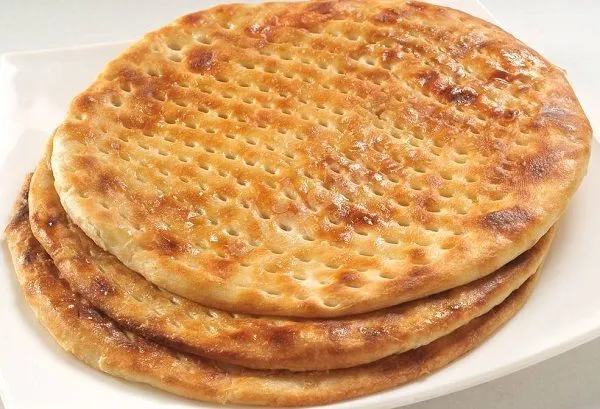
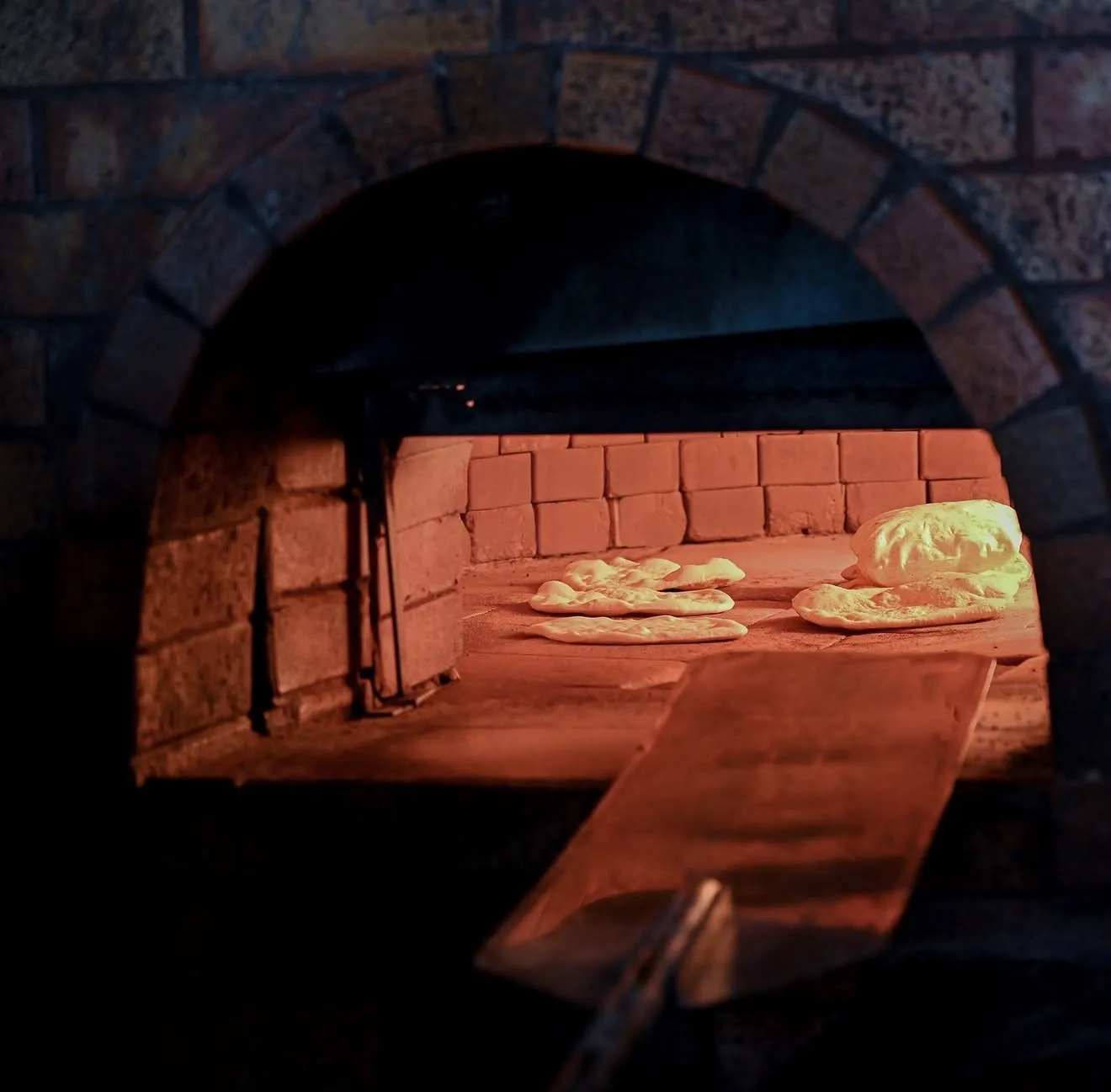
Tamees is one of the most popular breads in Makkah and a staple at breakfast tables. It is widely available in local bakeries and often enjoyed alongside traditional Hijazi dishes.
Tamees is believed to have originated in Afghanistan and was introduced to Makkah by Afghan pilgrims. Over time, it became part of Hijazi food culture, with Tamees bakeries found in nearly every neighborhood. Today, it remains a symbol of Makkah’s culinary heritage.
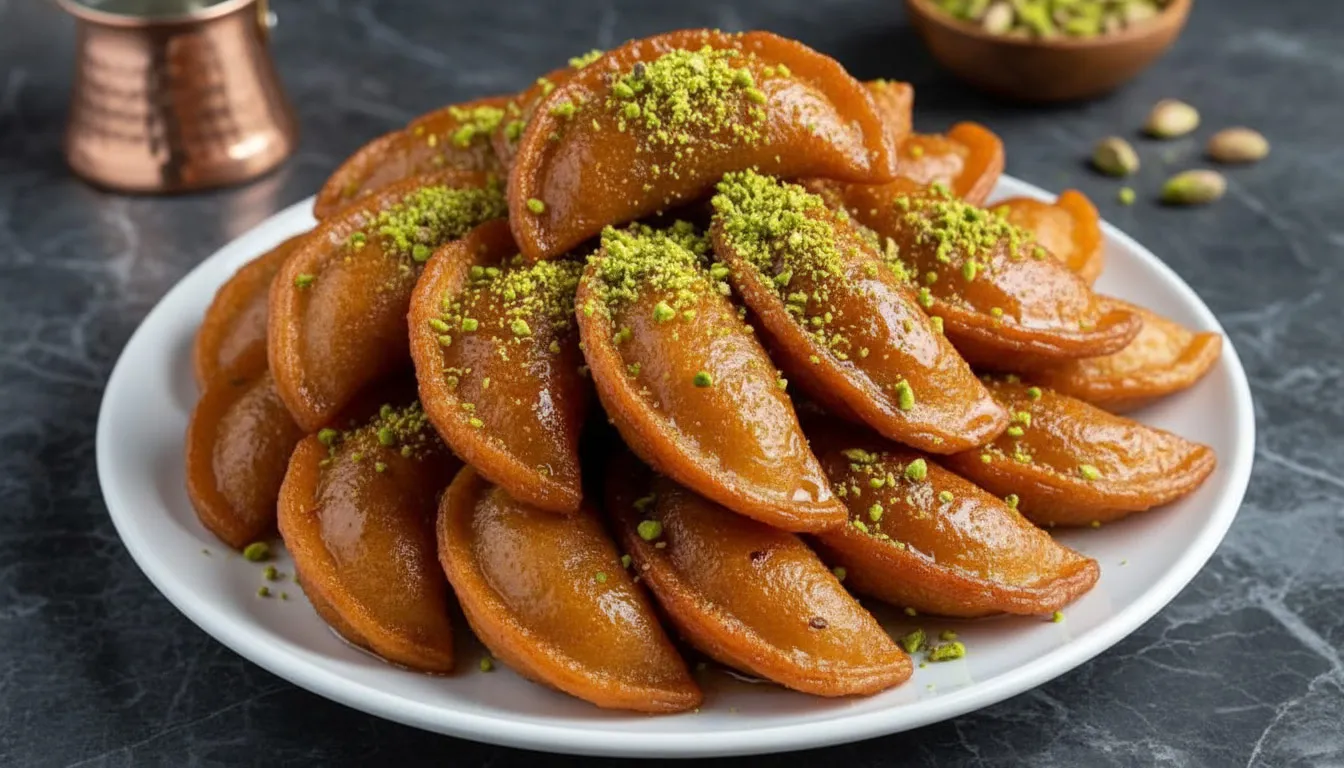
Qatayef is a beloved dessert in Makkah and the wider Hijazi region, especially popular during Ramadan. It can be enjoyed at home or purchased fresh from specialized bakeries.
Qatayef is said to date back to the Abbasid era. In Makkah, it is closely associated with Ramadan, becoming an essential part of iftar tables and a symbol of the city’s culinary heritage.
.webp?language=ar)
Ladoo is a popular traditional sweet, especially renowned in Makkah and across the Hijaz. Its origins are believed to trace back to Indian cuisine, blending cultural influences into a dessert that has become a cherished part of Hejazi culinary heritage.
Ladoo traces its origins to Indian cuisine, which influenced Hejazi cooking through trade and the movement of pilgrims. Traditionally prepared at home for special occasions and festive celebrations, Ladoo was served to guests as a symbol of generosity and hospitality. Today, it remains a treasured part of the Hijazi culinary heritage—simple yet rich in local flavors—and continues to be made in homes and sold in traditional sweet shops across Makkah.
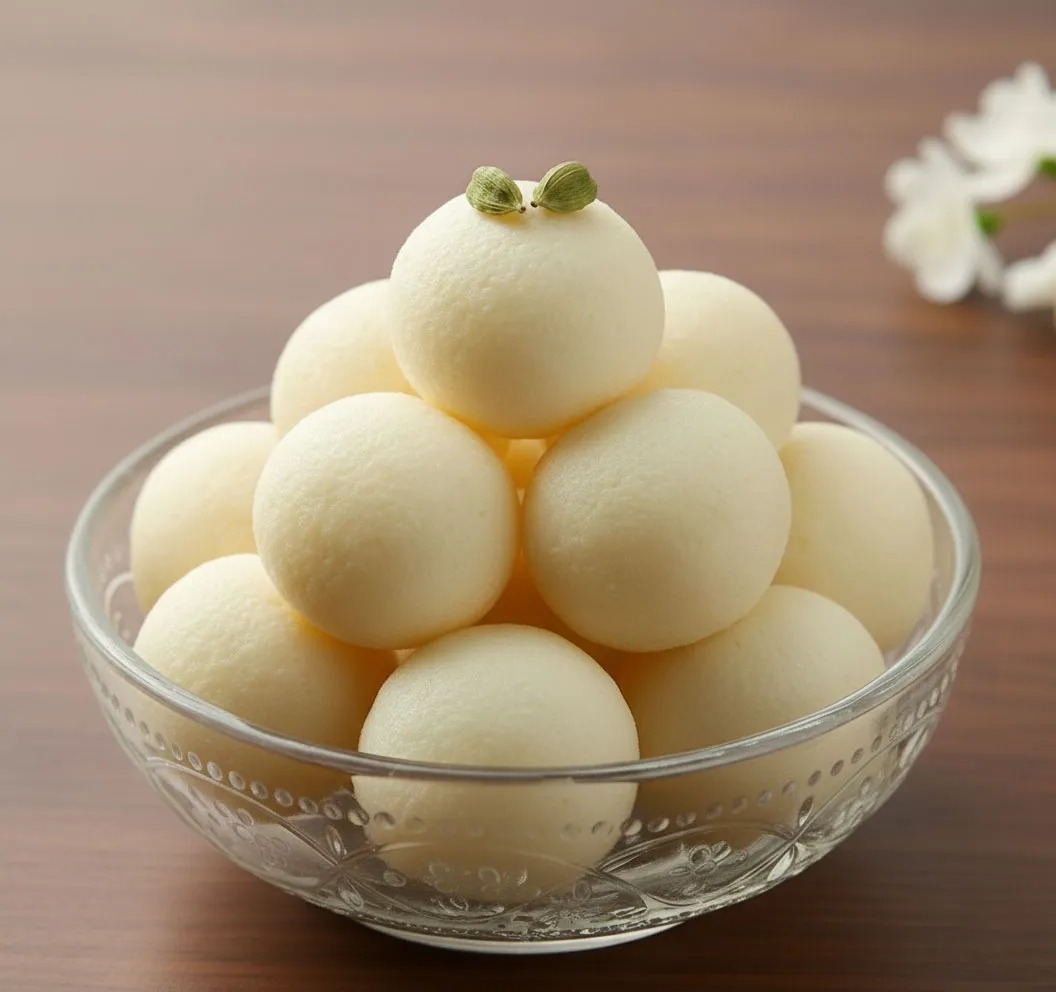
Halawa Labaneya is considered one of the traditional sweets that became popular in Makkah and the Hijaz region in general.
It is said that its origins date back centuries, when it was prepared at home as a simple and quick dessert. Halawa Labaneya came to symbolize hospitality in the Hijaz, as it was often served to guests as part of a warm welcome. To this day, it continues to be made in many Hijazi households and is also sold in traditional sweet shops in Makkah.
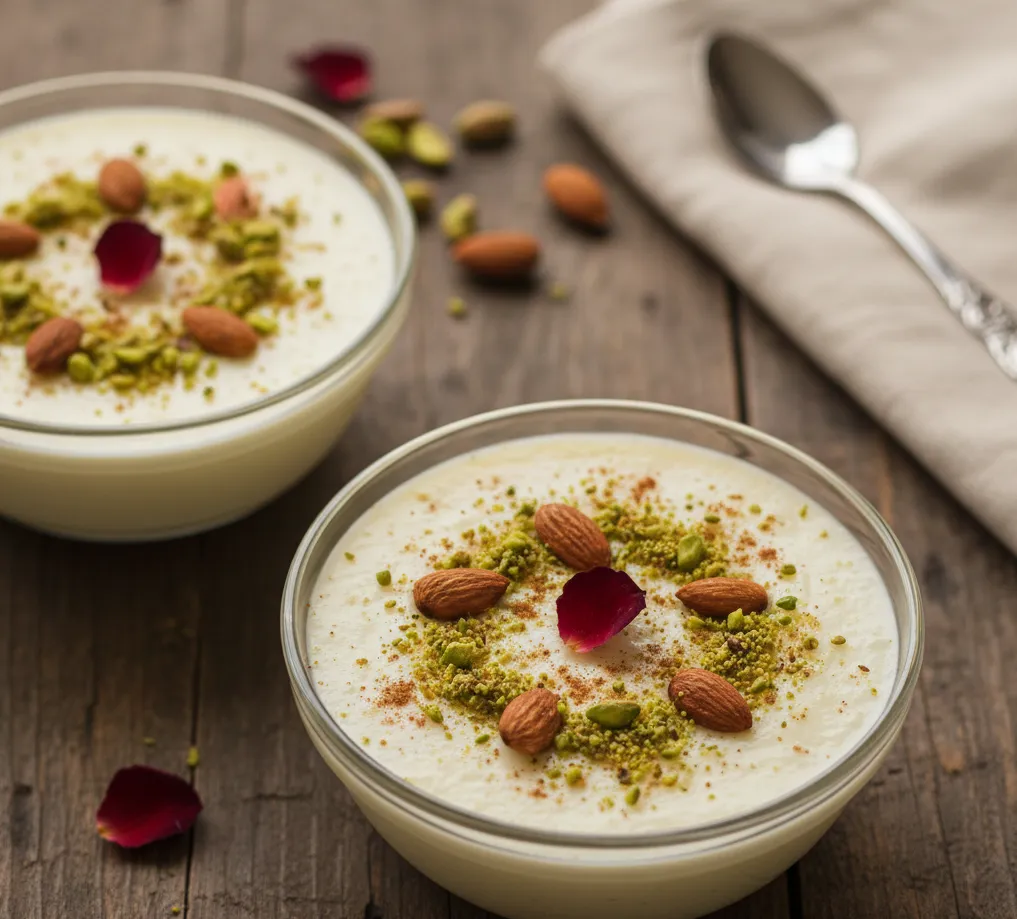
Mahalabia is a dessert renowned throughout the Arab world, holding a special place in Hejazi cuisine, particularly in Makkah. Its delicate flavor and silky texture have made it a timeless favorite for generations.
Mahalabia is believed to date back to the Umayyad era, named after the Arab prince Mahlab ibn Abi Safra. In Makkah, it remains an integral part of the region’s culinary heritage, traditionally served during celebrations and festive occasions—especially during Ramadan, where it is enjoyed as a light, refreshing dessert after Iftar. Even today, Mahalabia continues to be prepared in many Hejazi homes and sold in traditional sweet shops across Makkah, preserving its legacy as a beloved treat for generations.
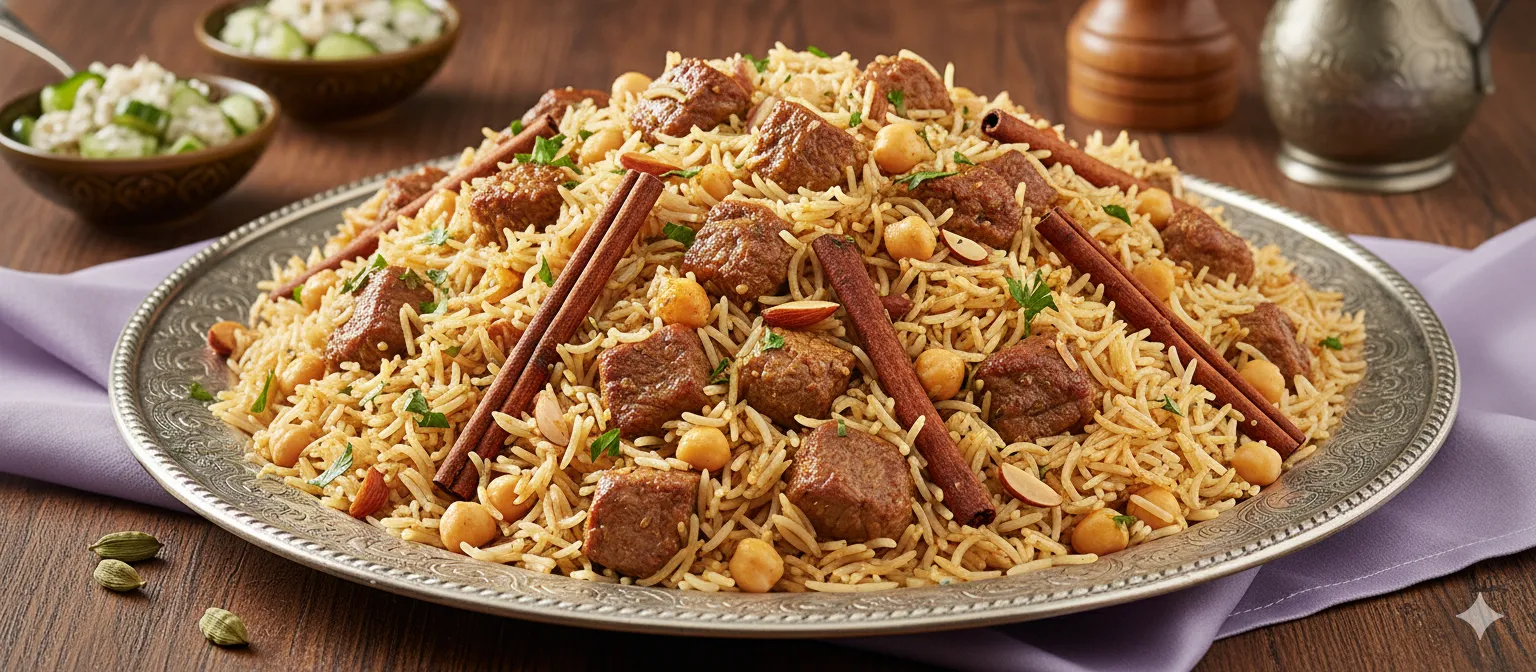
This is a traditional and distinctive dish prominent in the Hejazi cuisine, particularly in Makkah. The dish, known as "Al-Ruz bil Hummus" (Rice with Chickpeas), is prepared by combining rice with boiled chickpeas, and sometimes includes lamb or chicken. This "Rice with Chickpeas" is characterized by a rich, savory spice blend and is typically served hot with a side of traditional cucumber and tahini salad.
The history of "Al-Ruz bil Hummus" (Rice with Chickpeas) is deeply rooted in the traditional Hejazi cuisine, making it an ancient and famous folk dish in both Makkah and Madinah. This dish holds a special cultural significance, as it was historically known as the "mourning dinner" ('Asha' al-'Aza') traditionally served in Makkah on such occasions. Although the concept of combining rice and legumes might be shared with other regional cuisines, the Hejazi recipe has preserved its distinct character through specific cooking methods and the use of unique local spices, such as "Ash-Shaybah." It continues to be a featured dish at special occasions and large banquets today.
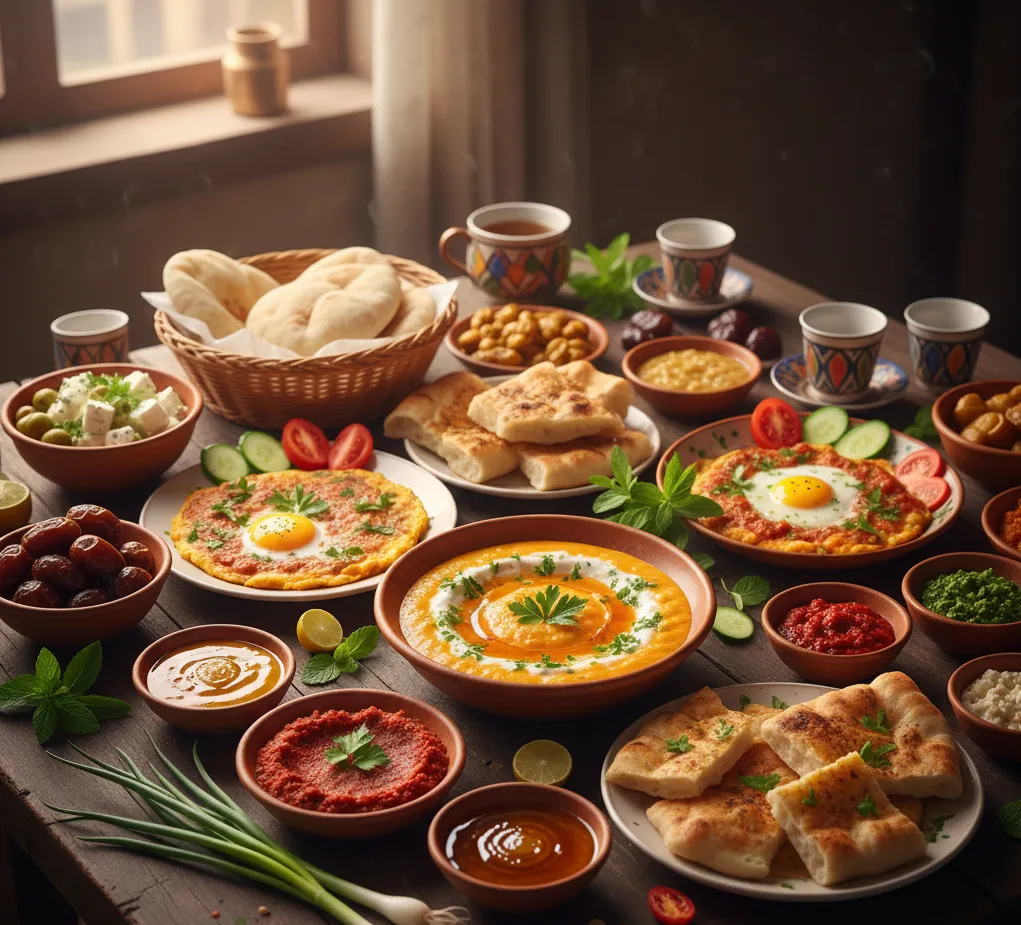
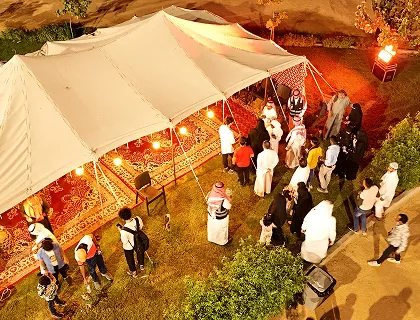
Ta’tima Makkia is more than a breakfast—it is a cherished social tradition in Makkah and across the Hijaz. Sharing this abundant spread has long been a way for families and friends to gather, celebrate, and enjoy the region’s rich culinary heritage together.
Traditionally, Ta’tima was a daily breakfast for many families in Makkah, especially on ordinary days. Its name is believed to derive from the word “Atmah” meaning darkness, referring to the early-morning preparation or late-evening enjoyment of the meal. Today, Ta’tima Makkia stands as a symbol of the region’s culinary heritage, reflecting the generosity, hospitality, and rich social life of Makkah.
Last Updated : 06/05/1447 - 4:05 م Saudi Time







.webp?language=ar)

.webp?language=en)
.webp?language=en)

.webp?language=en)
.webp?language=en)

.jpg?language=ar)
.jpg?language=ar)










.webp?language=ar)



.webp?language=ar)
.webp?language=ar)

.webp?language=ar)
.webp?language=ar)
.webp?language=ar)
.webp?language=ar)
.webp?language=en)
.webp?language=ar)
.webp?language=ar)
 Language Switching


