


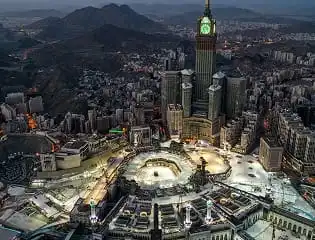
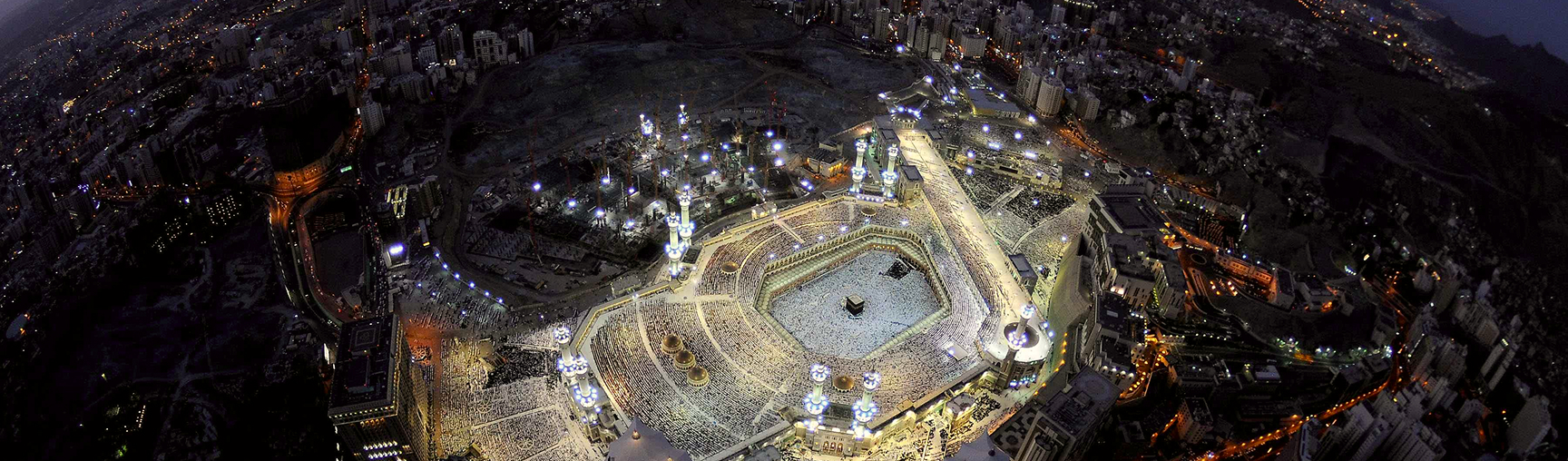
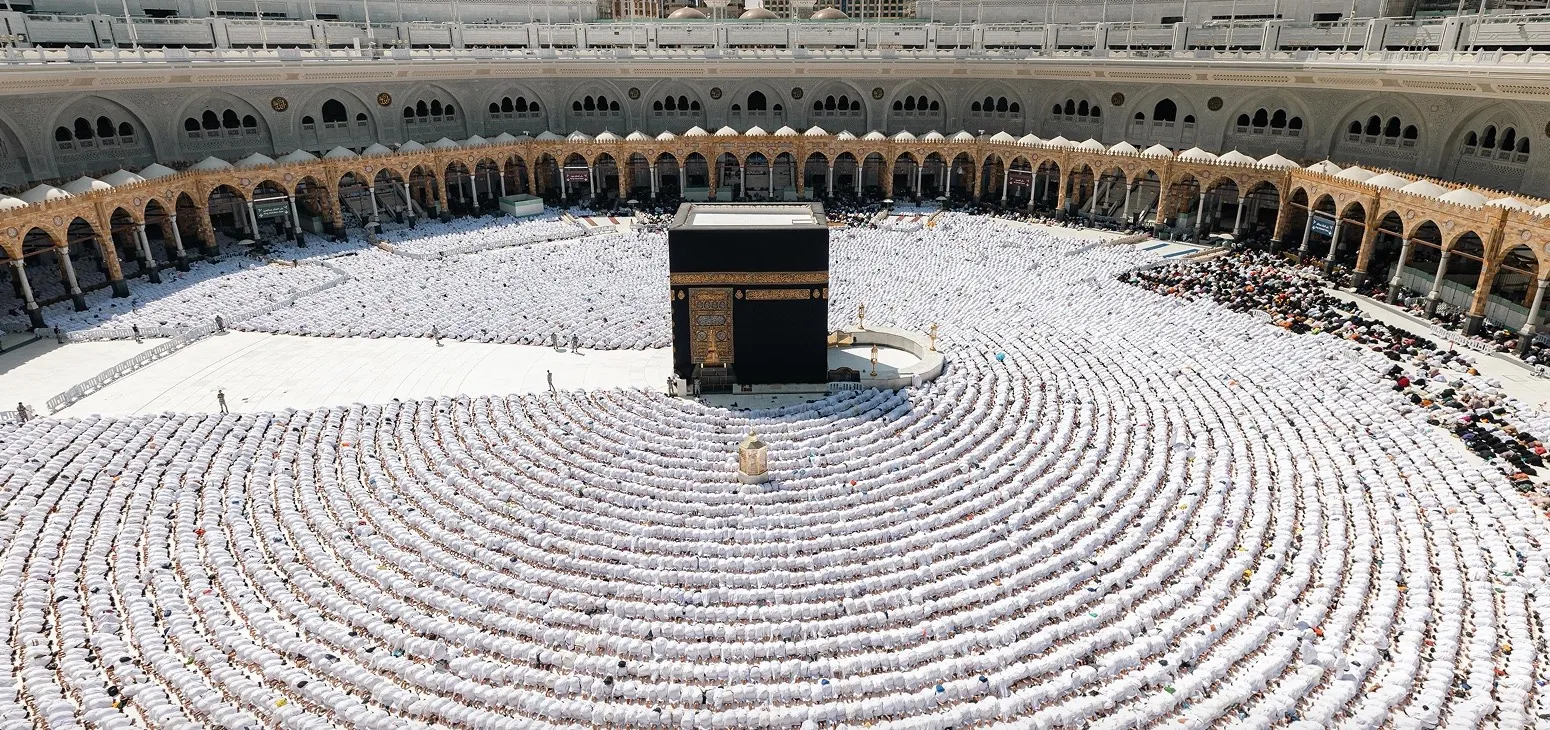
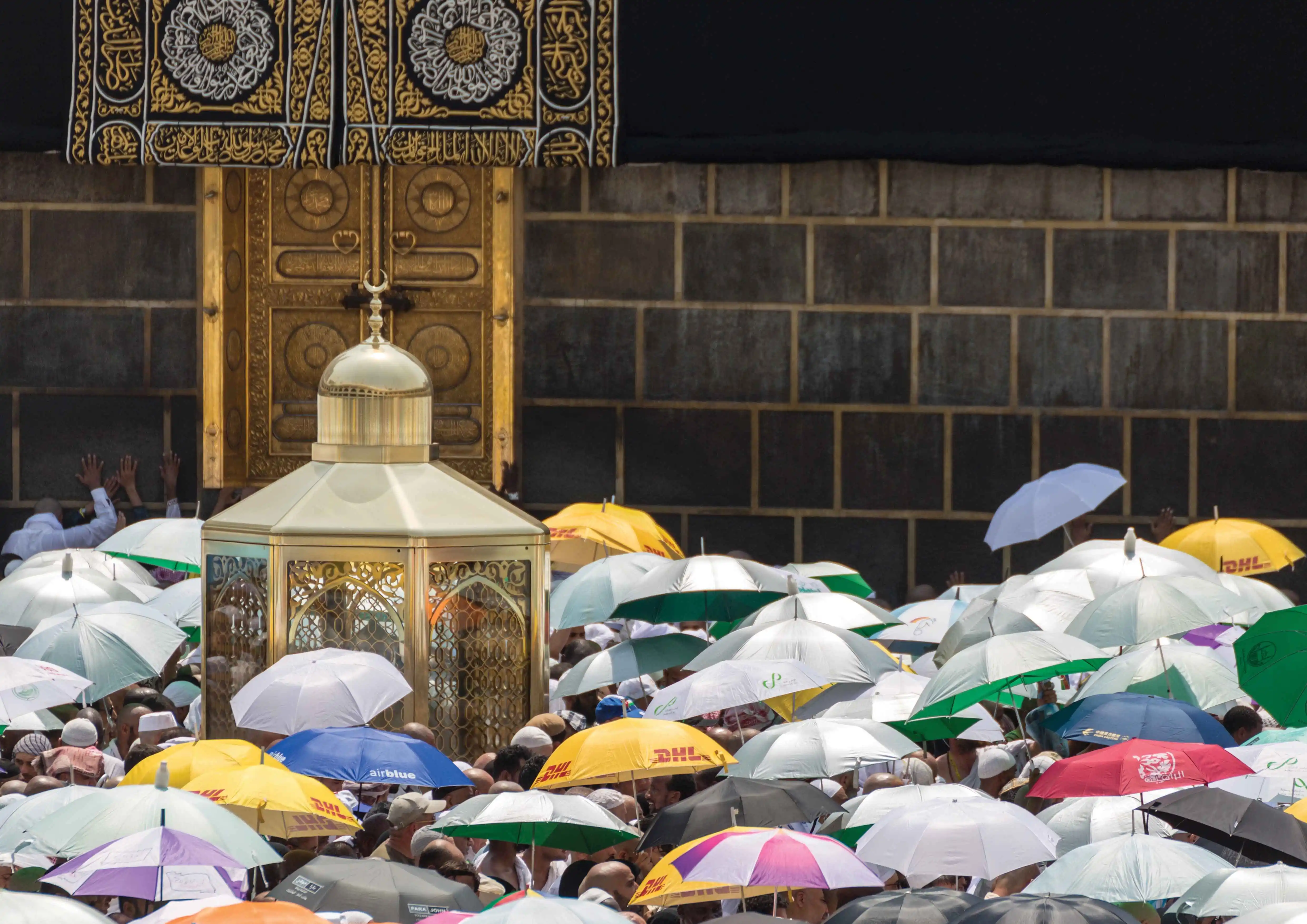
Makkah al-Mukarramah holds an unparalleled place in the hearts of Muslims. It is home to the Sacred Kaaba—the qiblah to which millions turn in prayer every day, and the destination of pilgrims performing Hajj and Umrah. From every corner of the globe, Muslim hearts yearn for it.
The history of the construction of the Sacred Kaaba dates back to the depths of time. Narrations mention that the angels were the first to establish this House, before it was rebuilt by Prophet Adam (AS). Later, it was raised again by the Father of Prophets, Ibrahim (PBUH), together with his son Ismail (AS). Over the centuries, the Kaaba has witnessed successive phases of construction and renovation. It encompasses distinctive landmarks, each bearing profound significance:
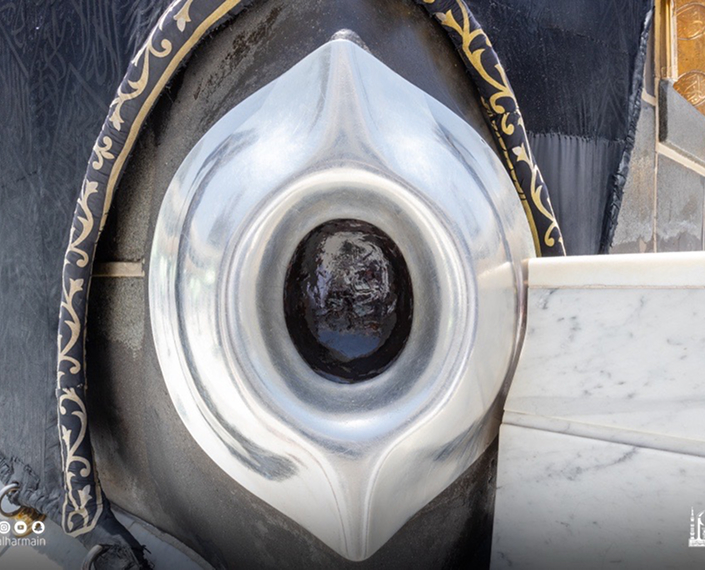
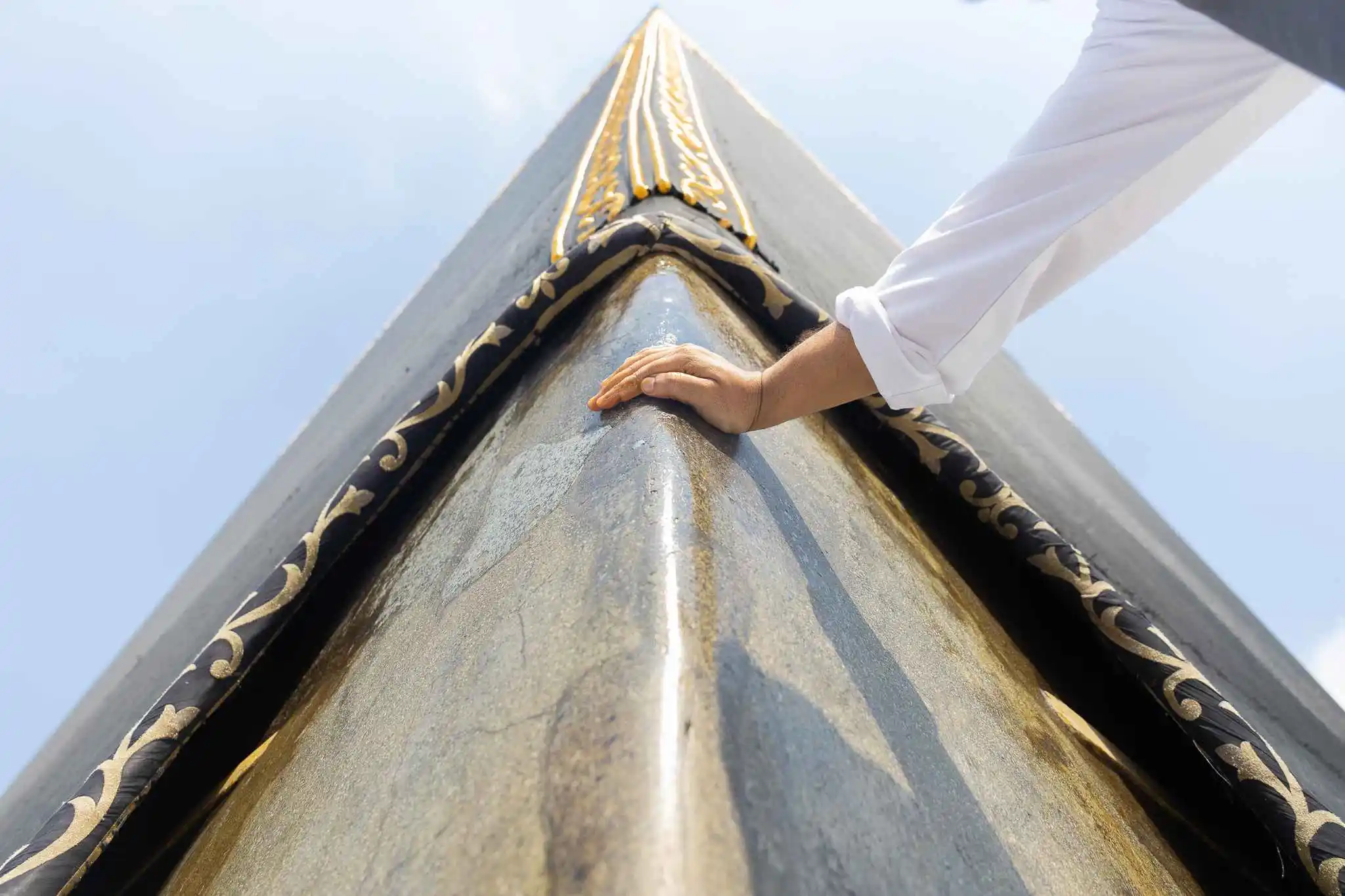
Situated at the southeastern corner of the Kaaba, the Black Stone holds a revered place in Islam. Narrations state that it is a blessed stone. Pilgrims are encouraged to kiss or touch it during tawaf, emulating the Sunnah of Prophet Muhammad (PBUH).
This is the stone upon which Prophet Ibrahim (PBUH) stood during the construction of the Kaaba. The imprint of his blessed feet remains visible to this day. Facing the Kaaba’s door, Allah Almighty commanded believers to take it as a place of prayer after tawaf: “And take the standing place of Ibrahim as a place of prayer.” [Surat al-Baqarah 2:125]. The Station of Ibrahim is a significant landmark of the Holy Mosque, closely connected to the life of the Prophet Ibrahim (PBUH) and the history of the Kaaba’s construction.
Hijr Ismail, also known as Al-Hijr or Al-Hatim, is the northern semi-circular section of the Kaaba, enclosed by a low white marble wall. It is one of the most prominent features of the Grand Mosque and holds a deep historical connection to the construction of the Kaaba.
Historical narrations indicate that this area was part of the Kaaba when it was built by Prophet Ibrahim (PBUH). However, when the Quraysh rebuilt the Kaaba before the Prophetic mission, they shortened its boundaries to reduce costs, leaving this section outside the main structure. For this reason, Hijr Ismail is considered part of the Kaaba, and praying within it is equivalent to praying inside the Kaaba itself.
The Yamani Corner is one of the four corners of the Holy Kaaba, located on the southern side just before the Black Stone. It is recommended to touch it, without kissing, during Tawaf, following the practice of the Prophet Muhammad (PBUH). Some hadiths mention the virtue of touching this corner, giving it a special significance for pilgrims due to its spiritual connection to the Sacred Kaaba.

Discover Makkah’s Key Historical And Spiritual Sites.
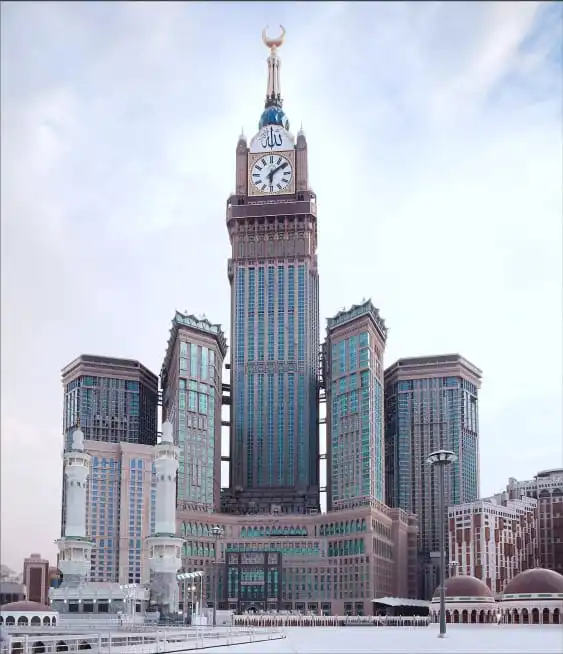
The Grand Mosque - Makkah
Morning or evening periods are less crowded
You do not need to make any prior arrangements to visit unless you wish to perform Umrah.
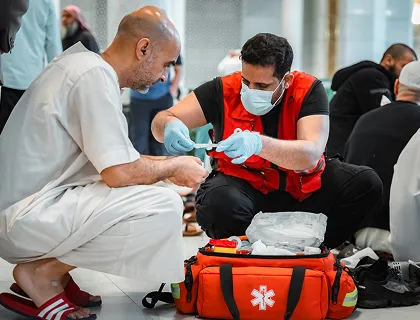
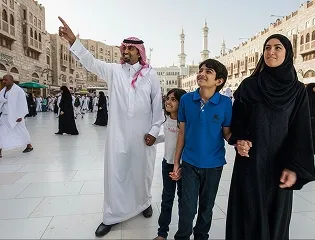
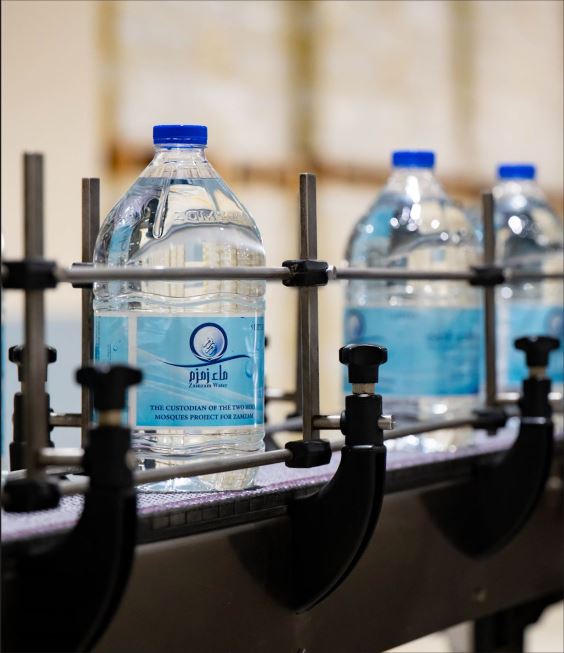
Drink Zamzam water and rest as needed. Visit during off-peak times with children or the elderly, ensuring they’re always accompanied.
Last Updated : 25/06/1447 - 9:51 ص Saudi Time






.webp?language=ar)

.webp?language=en)
.webp?language=en)
.webp?language=en)
.webp?language=en)

.jpg?language=ar)
.jpg?language=ar)






.webp?language=ar)



.webp?language=ar)


.webp?language=ar)
 Language Switching


