


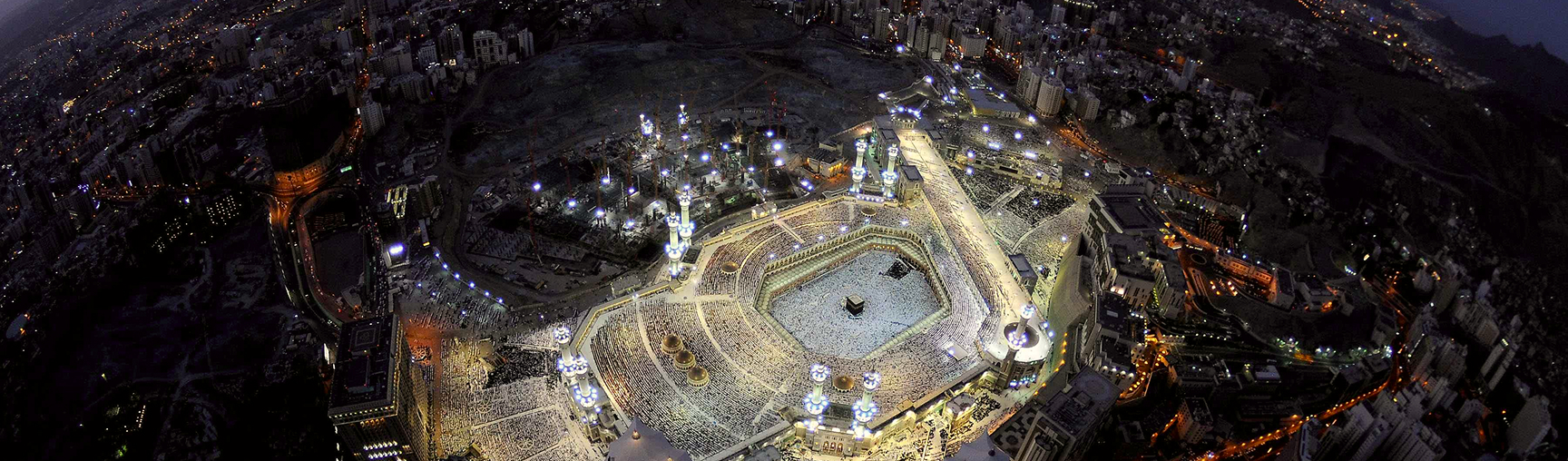
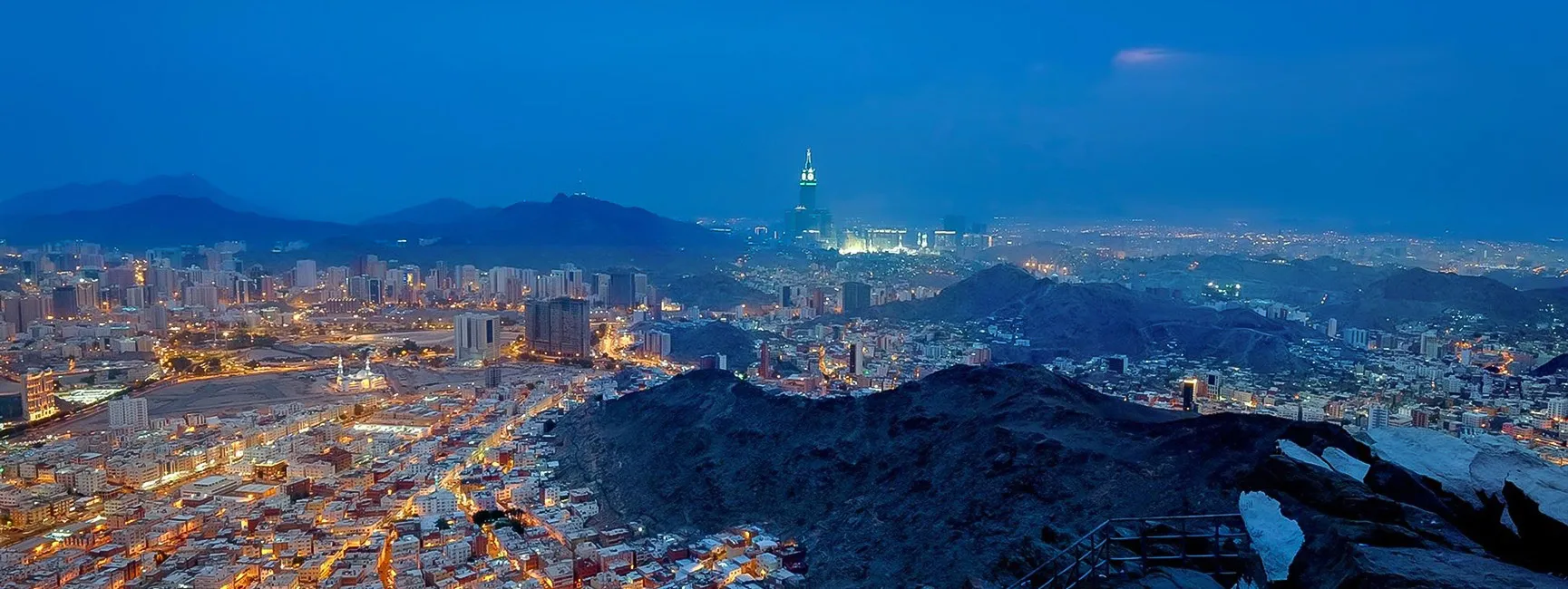
Mecca stands out for its ancient history and its rich cultural and social heritage, reflected in its population of more than two million people. This diverse makeup showcases the city’s long-standing role in welcoming visitors and newcomers from all parts of the world across the centuries. Its social fabric is rooted in a genuine diversity that brings together the Arab tribes that settled there long ago and the Meccan families who have lived in the city for generations, forming a unique Meccan identity—deeply authentic yet open to the world.
This human diversity has created a profound cultural and spiritual dimension, as Mecca has, throughout its long history, remained a model of coexistence and tolerance, and a central destination for pilgrims, scholars, and merchants. It is a place where a rich past and a dynamic present come together in remarkable harmony.
The city has also been—and continues to be—a beacon of knowledge. Its scholarly tradition began in the Sacred Mosque and lives on today through its modern academic institutions, foremost among them Umm Al-Qura University, which represents a distinguished continuation of this leading intellectual legacy.
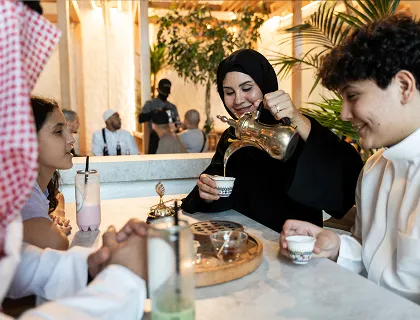
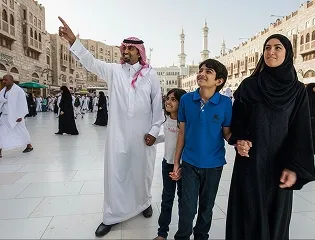
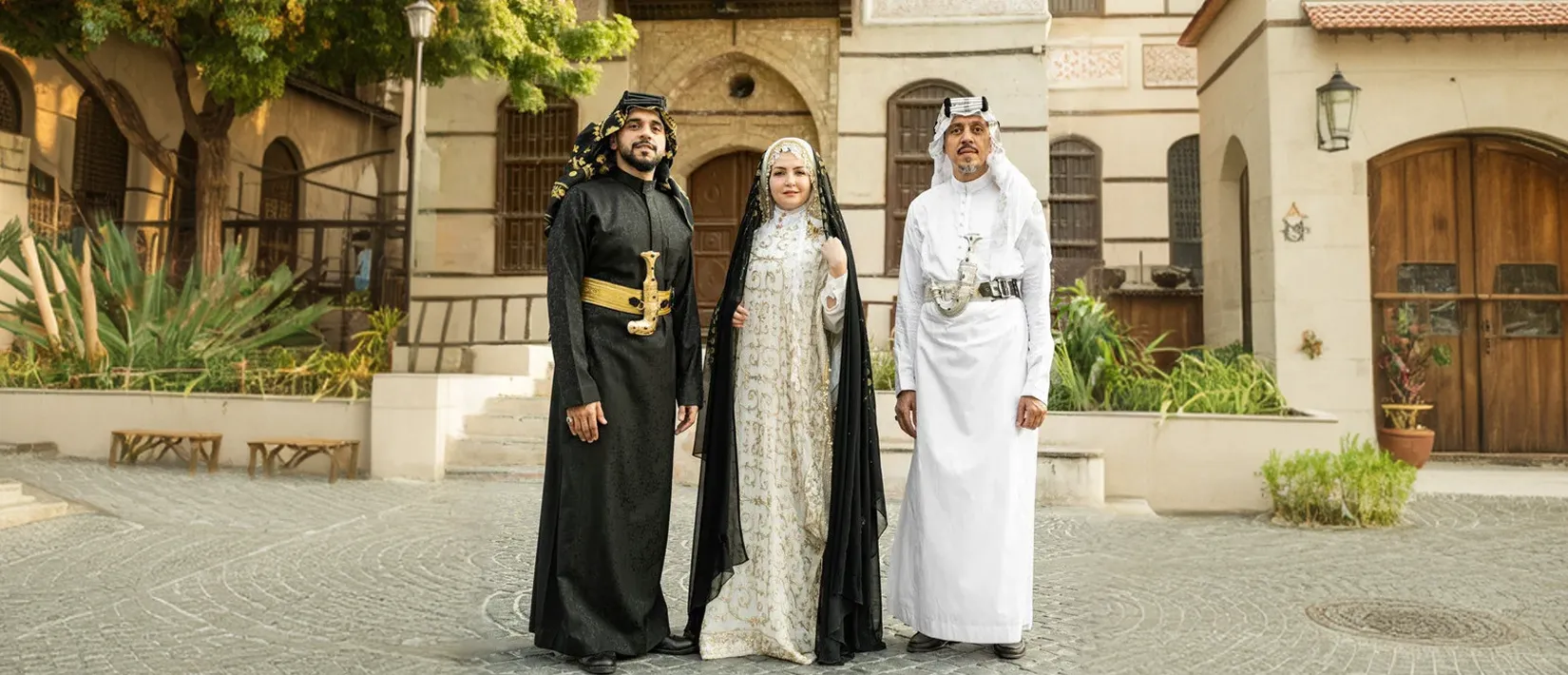
The city’s social and cultural history stands as enduring testimony to the authenticity of the place and the richness of its heritage. Its distinctive features appear in the traditional clothing of men, women, and children—an extension that reflects both the uniqueness of Makkah environment and its cultural openness throughout the ages.
Men’s Clothing:
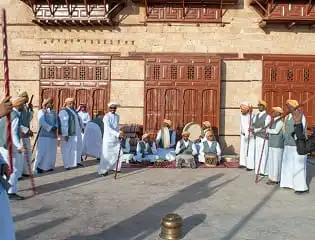
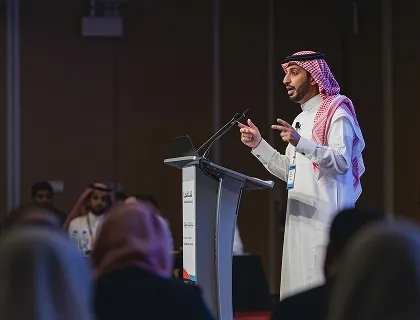
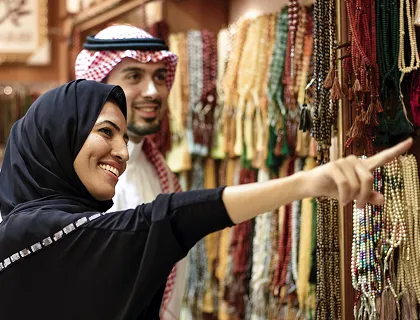
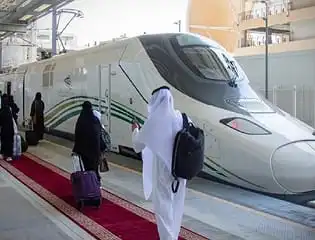
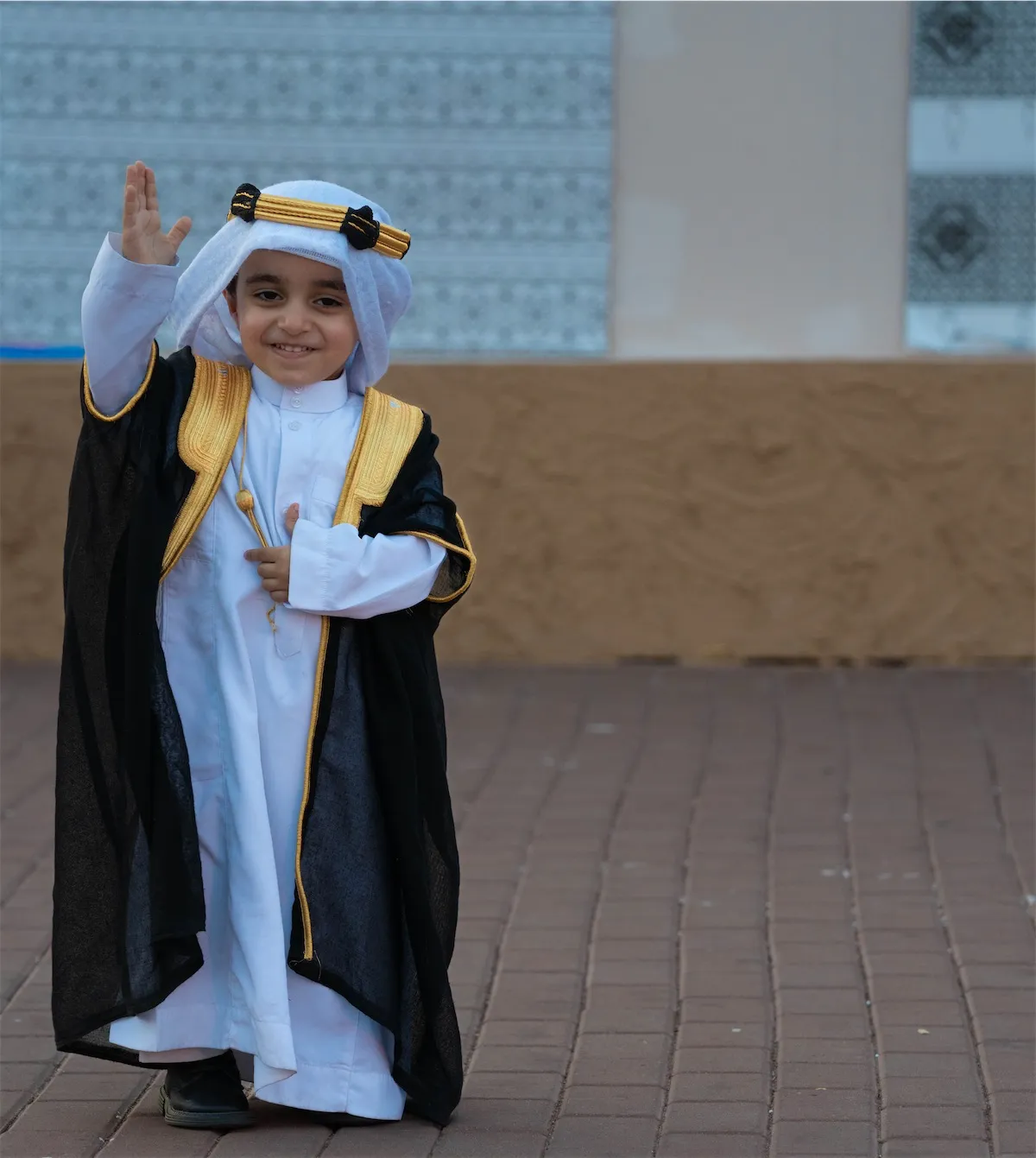
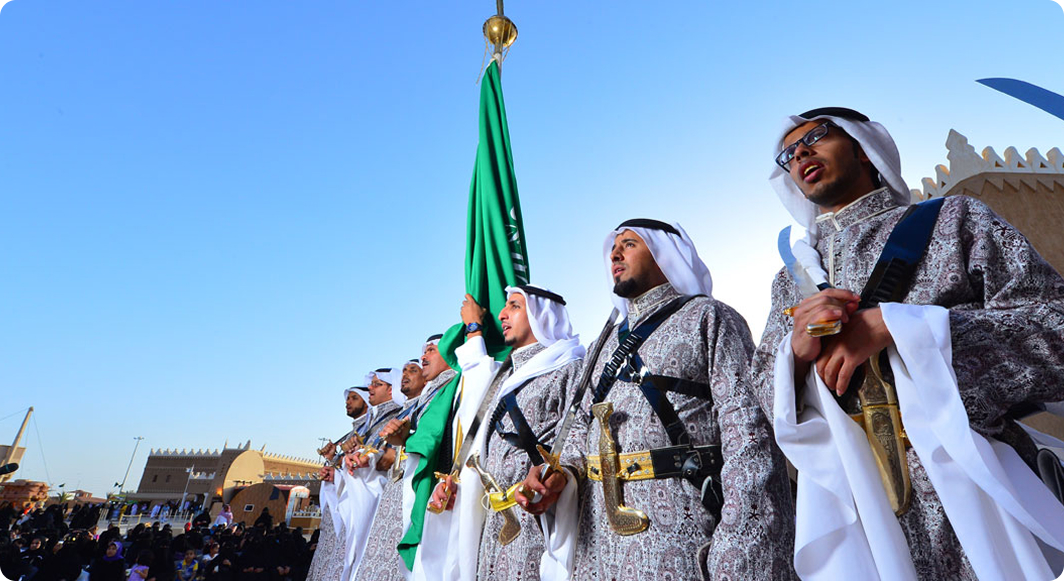
Men in Makkah traditionally wear the white “thawb al-mardoon” during celebrations and special occasions, complemented by an embroidered cloak with golden trim and a white or red headscarf secured with a decorated black “agal,” creating a look that symbolizes dignity and social prestige.
In daily life, locals prefer lightweight white garments suited to the hot climate, along with a cap, or a headscarf (ghutra or shemagh) wrapped around the head without an agal in the form of a turban. A shāyah or shawl may also be draped over the shoulders, and in winter, a coat or jacket is worn—often the checkered style known locally as “al-karohat,” merging simplicity with the practical style familiar in Makkah life.
Women’s Clothing:
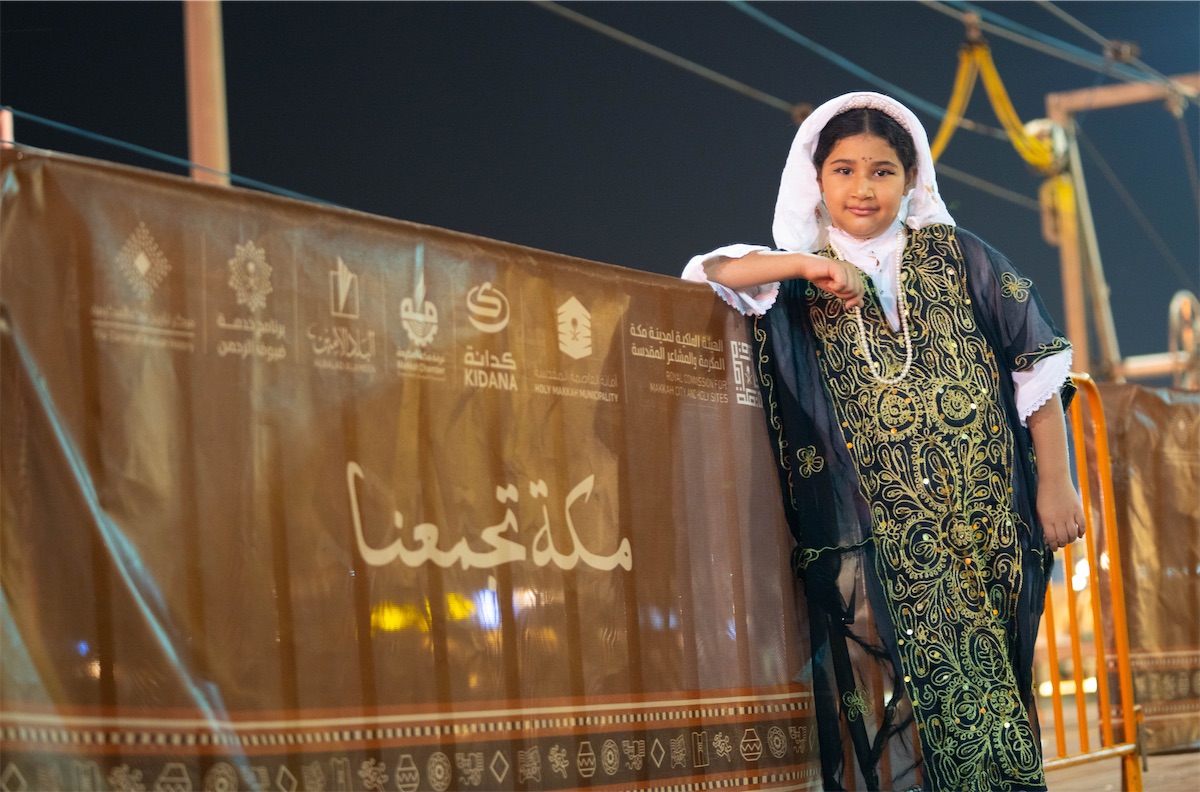
The traditional attire of Makkah women consists of the “thawb al-dayer” or “al-manthor,” delicately embroidered with fine golden threads along the sleeves and chest. It is complemented by the “al-muharramah” and “al-madawrah,” both made from light, sheer fabrics adorned with subtle ornamentation that adds elegance and modesty.
One of the most prominent elements of women’s attire is the “zaboon,” a long, wide-sleeved garment made from luxurious materials such as silk or velvet. It is worn on special occasions and completes an appearance that blends femininity with timeless heritage.
Children’s Clothing:
Children’s clothing in Makkah mirrors that of adults in its details, emphasizing an early connection to local identity. Boys wear the white thawb with a ghutra and agal, and the embroidered cloak is added during holidays and special events. Girls wear a traditional dress decorated with geometric patterns and vibrant colors, with a soft black headscarf (shaylah) covering their heads—a look that combines innocence with cultural authenticity.
Since ancient times, Makkah has been the cradle of eloquence and the gathering place of Arabic dialects. It was settled by multiple tribes, making it a center for linguistic and cultural interaction in the Arabian Peninsula. The Quraysh dialect was particularly noted for its clarity and moderation, eventually becoming, along with the dialects of Makkah and its surroundings, the linguistic vessel in which the Qur’an was revealed, cementing Makkah status as the homeland from which standardized Arabic emerged, unifying tongues after the advent of Islam.
With the mission of Prophet Muhammad (PBUH), the Arabic language reached its highest distinction through the revelation of the Qur’an in clear and eloquent Arabic. Thus, the tongue of Makkah became the tongue of all Arabs, and the city transformed into a beacon of expression and a center for Qur’anic recitations that carried the Arabic language to the world.
Throughout the ages, Makkah has remained a symbol of the unity and purity of the Arabic language, a source of eloquence that combines the sanctity of the divine message with the leadership of the Arabic tongue.
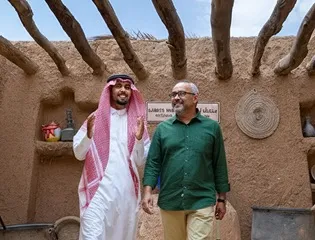
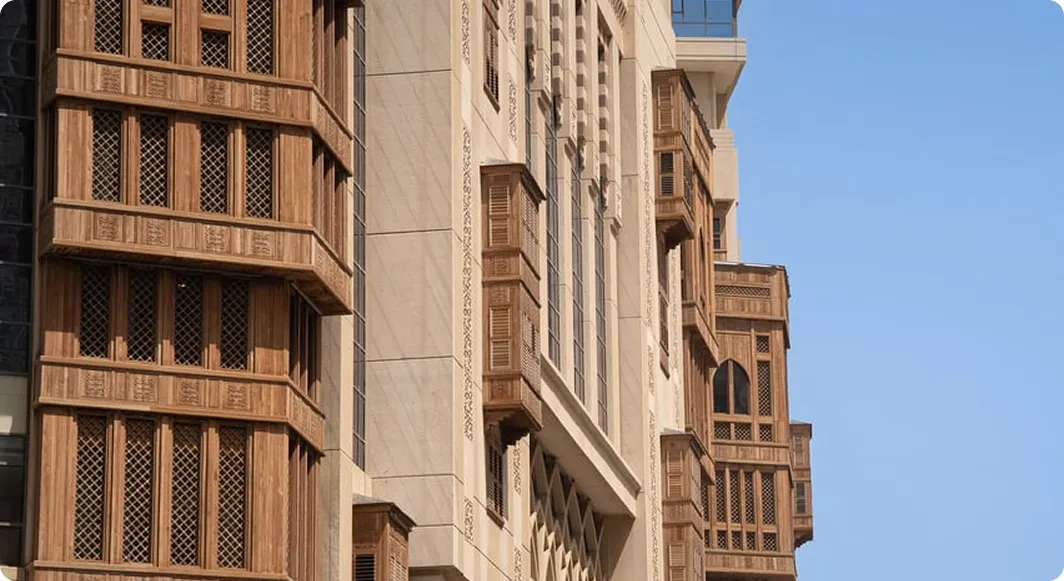
Traditional architecture in Makkah is distinguished by a style that blends beauty with functionality, reflecting the grandeur of the past and the artistry of ancient craftsmanship. The walls of its houses bear the marks of Islamic art, where creativity harmonized with human and environmental needs, resulting in architecture that is both inspiring and practical.
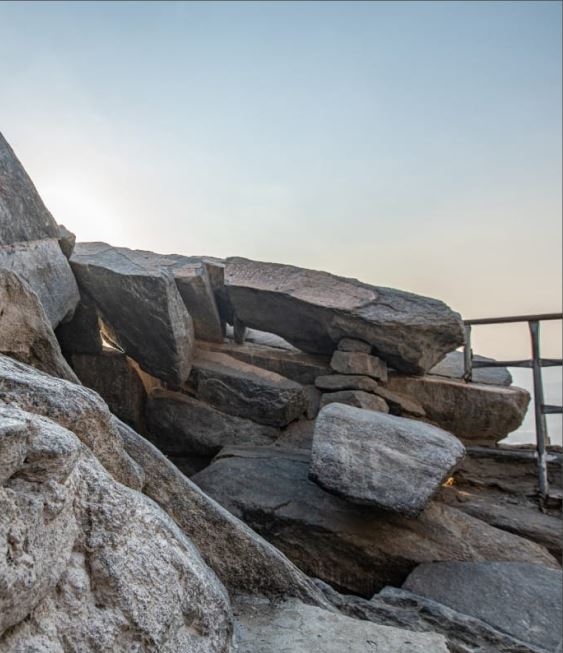
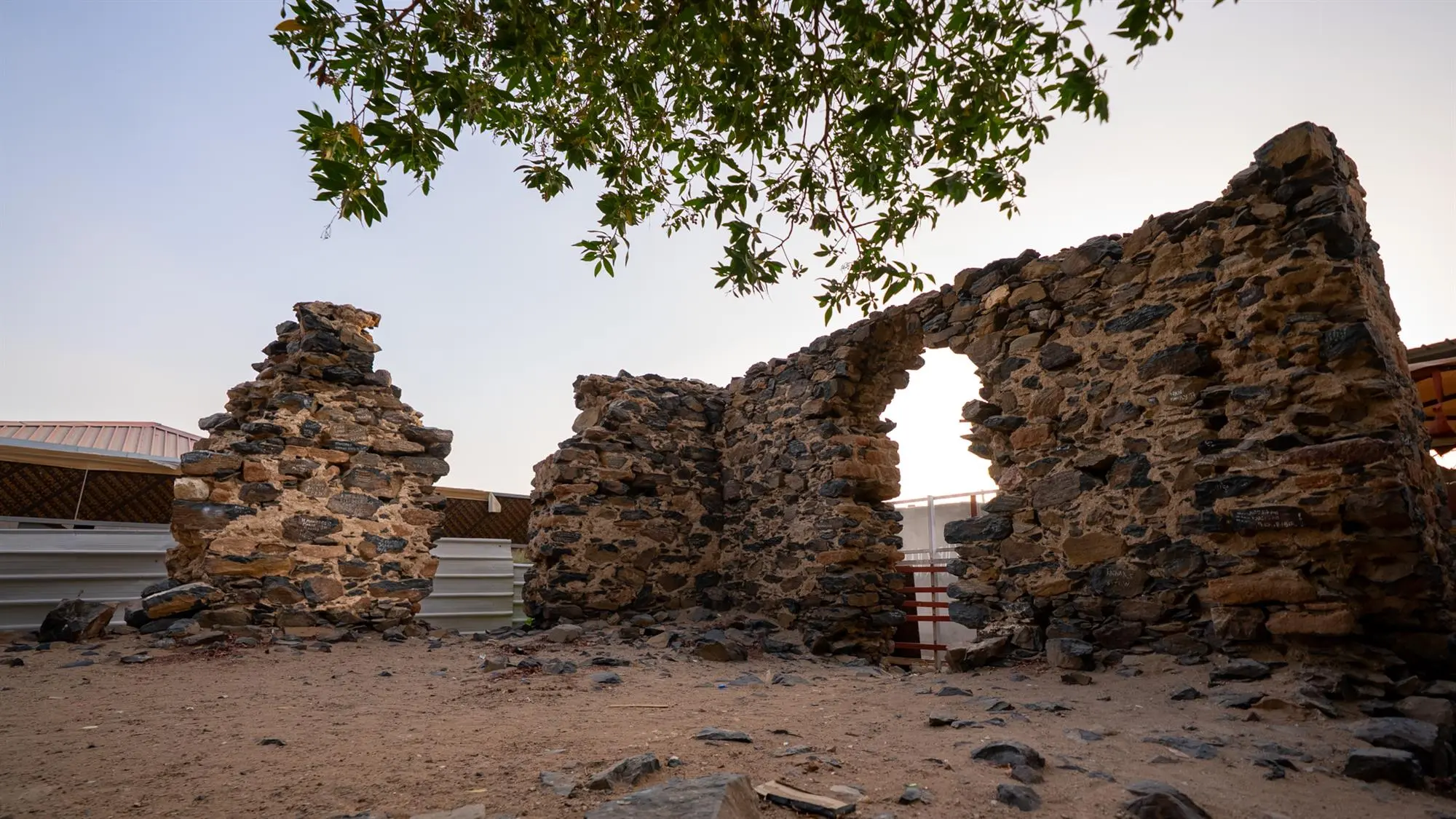
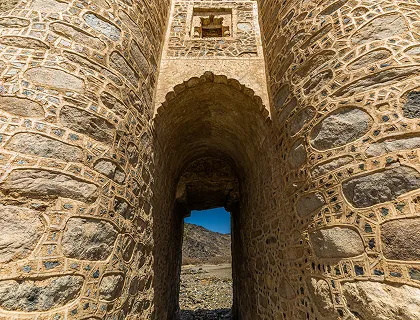
Most heritage buildings in Makkah were constructed from Shumaisi stone, a local reddish-yellow stone known for its durability, moisture absorption, and heat insulation, making it ideal for the city’s hot mountainous climate. Black clay was used as a binding material instead of cement, giving the walls natural strength and harmony with the surrounding environment.
The facades were also adorned with pieces of coral limestone imported from the Red Sea coast, and wooden structures were reinforced with horizontal layers of Taklila wood between the stone layers, increasing structural cohesion and preventing cracking over time.
Inside the houses, the features of Makkah life are evident in spaces designed for practicality and human comfort. These include the hallway that welcomes visitors, the guest reception room (majlis), the safah and sleeping quarters, and the markab, which serves as the kitchen and small storage area. This simple layout reflects the spirit of hospitality and serenity, combining privacy with social warmth in a Makkah home that honors its environment and embodies the spirit of the Hijaz.
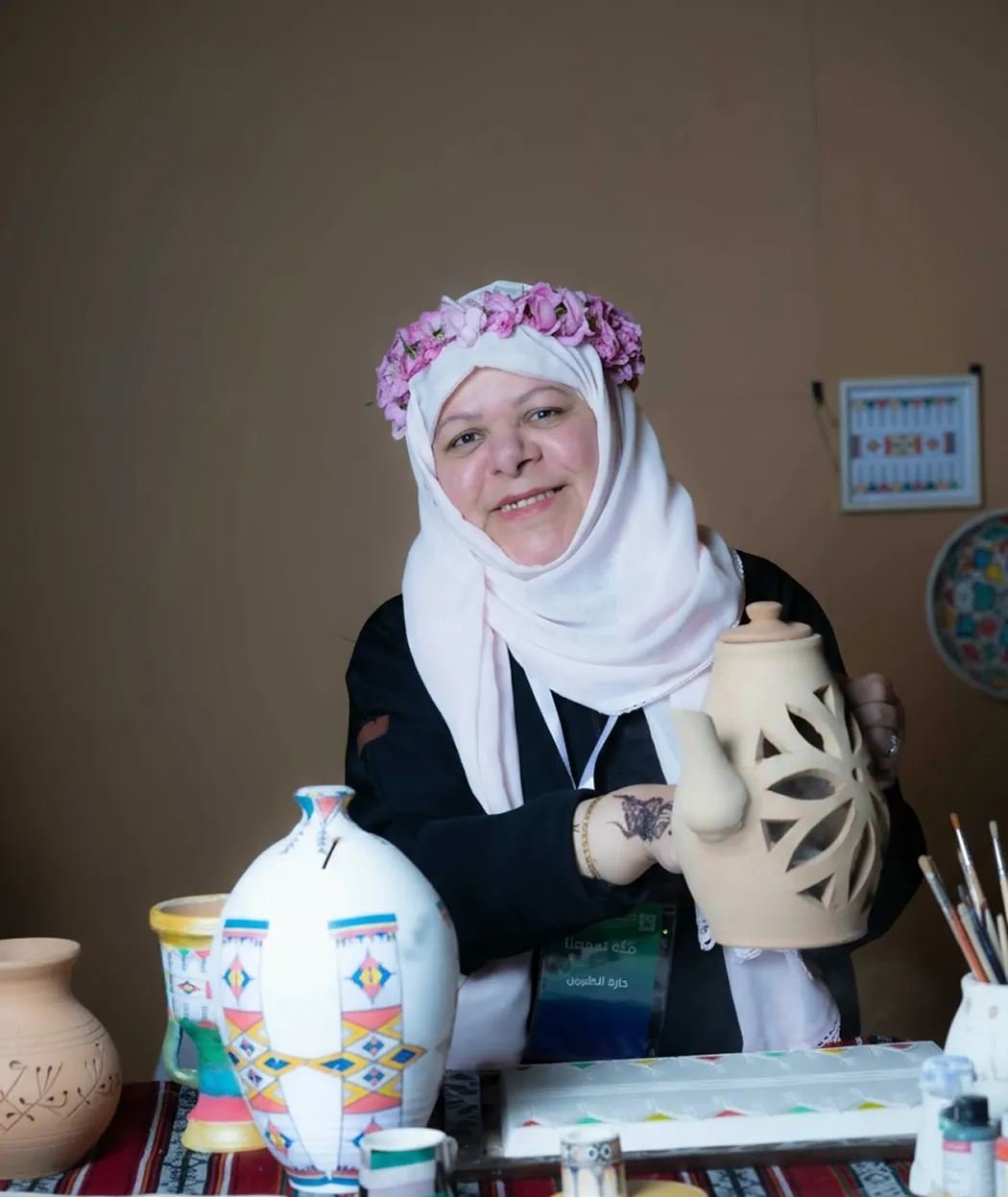
In the alleys of old Makkah , traditional crafts were born out of people’s needs and their passion for beauty. Makkah hands created with whatever was around them—palm trees, leather, metals, and stones—shaping them with love and patience to tell the story of humanity and place. Thus, craftsmanship became a living memory that preserves Makkah identity and reveals a creative spirit that knows how to turn simplicity into art and necessity into heritage passed down through generations.
Prominent Traditional Crafts:
● Ring and Jewelry Making: Makkah is renowned for crafting decorated rings and jewelry, often made of silver and inlaid with precious stones such as Yemeni agate, Sinai turquoise, and Brazilian emerald. The production process includes cutting and melting metals, shaping them, and carefully setting the stones.
● Al-Agal Al-Muqassab (Headband) Crafting: Makkah artisans excelled in making the traditional agal, especially the “Faisal agal” adorned with golden zari threads, representing a developed continuation of the old fabric headbands.
● Copper Engraving: An ancient art that decorates copper plates using fine steel engraving pens. The engravings often include Qur’anic verses and floral patterns, used to adorn mosques, schools, and palaces.
●Leathercraft (Kharaza): Animal hides are transformed into various products such as traditional Makkah shoes and sandals, milk bags (al-samlān), rifle covers, weapon belts, fat containers (ʿikāk al-duhn), and water skins.
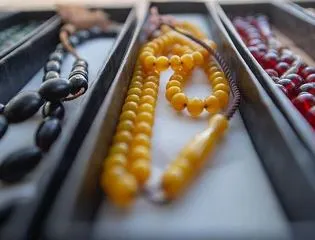
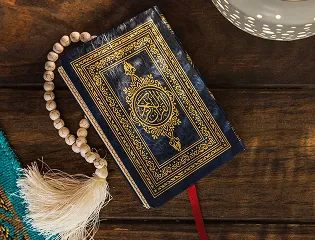
●Other traditional crafts: These include the weaving of heritage garments; pottery and palm-frond crafts; repairing rifles and sharpening knives; jewelry making and crafting prayer beads, as well as embroidering and sewing fur garments, spinning wool, and making bladed weapons such as daggers and swords. They also encompass construction work, wood carving, carpentry for making doors and furniture, metalworking, and producing items from palm midribs and fronds, such as bread trays and bird cages.
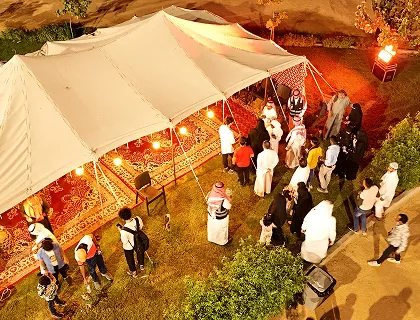
Throughout the year, Makkah hosts a variety of cultural events that reflect its rich history and deep civilization, offering residents, citizens, and tourists unique experiences that combine arts, heritage, and contemporary creativity.
From exhibitions and artistic activities to seasonal festivals and community programs, Makkah continues to strengthen its cultural presence as a destination that unites tradition with modernity.
For more information about events, click here.
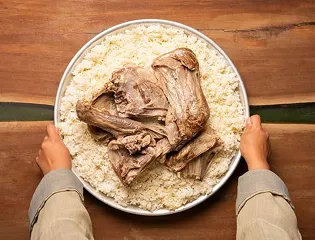
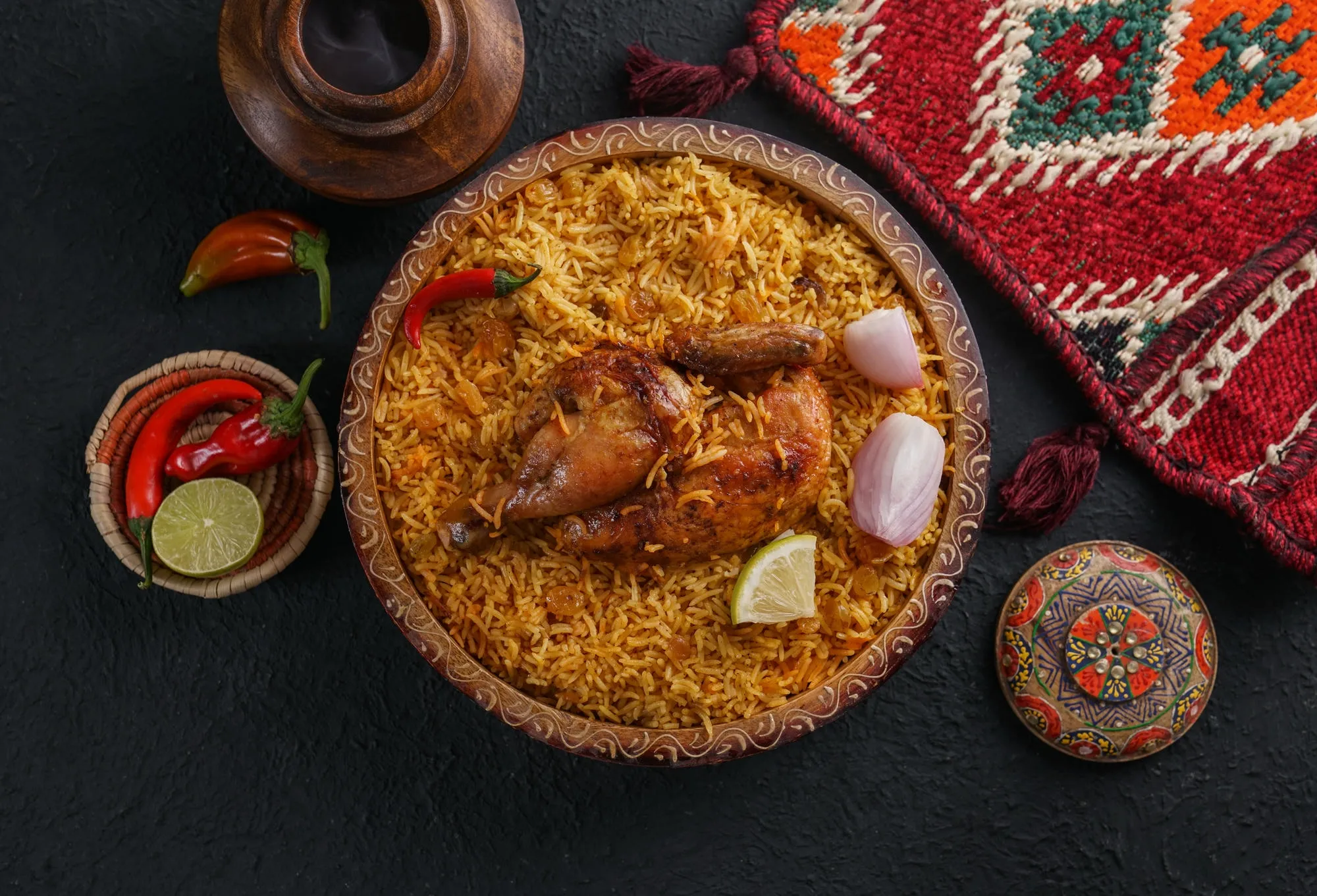
Traditional cuisine in Makkah is characterized by its diversity and richness, blending local heritage with regional flavors introduced over time. This reflects the fusion of cultures in a city that welcomes pilgrims from all over the world.
To explore authentic Hijazi dishes and the foods brought to Makkah, click here.
Last Updated : 24/07/1447 - 5:03 م Saudi Time





.webp?language=ar)

.webp?language=en)
.webp?language=en)
.webp?language=en)
.webp?language=en)

.jpg?language=ar)
.jpg?language=ar)



.webp?language=ar)


.jpg?language=ar)


 Language Switching


