


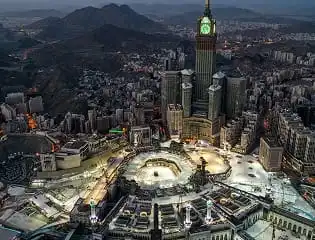
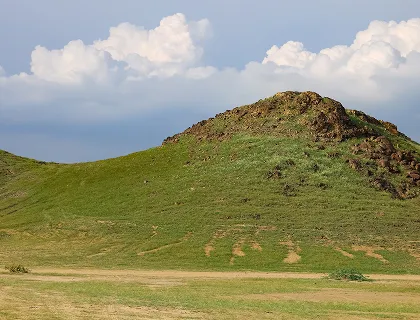
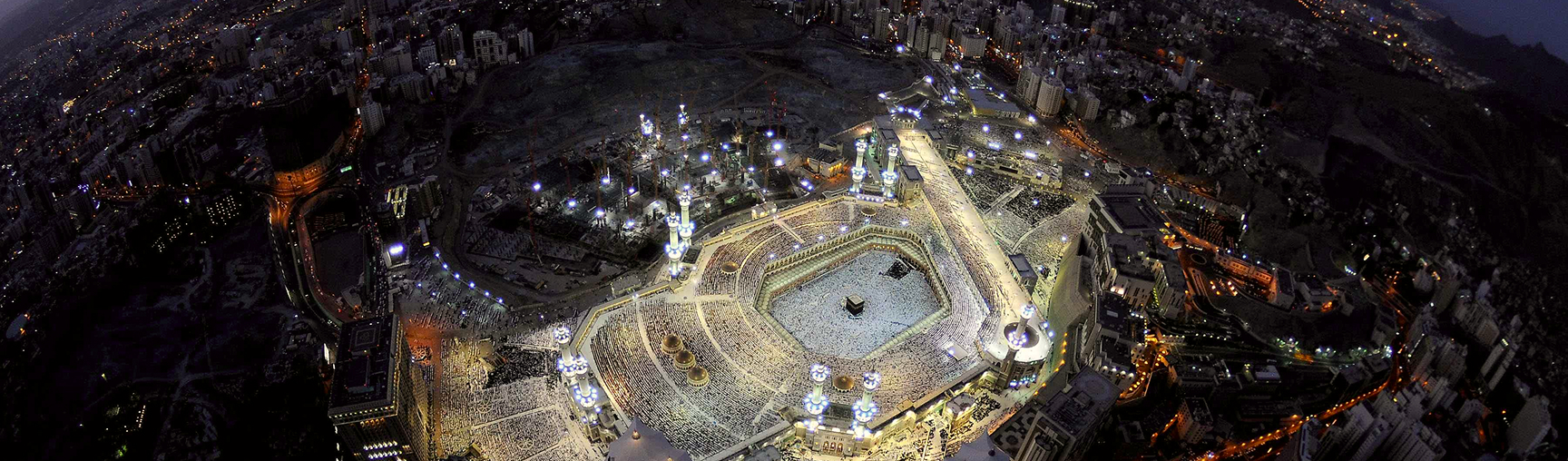
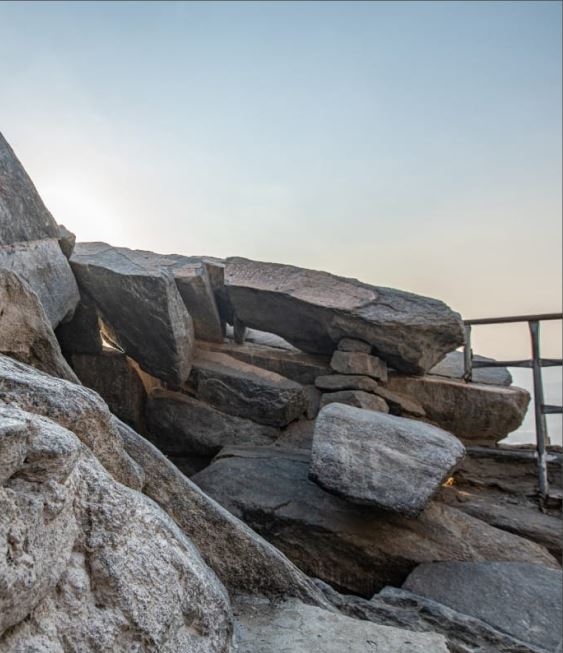
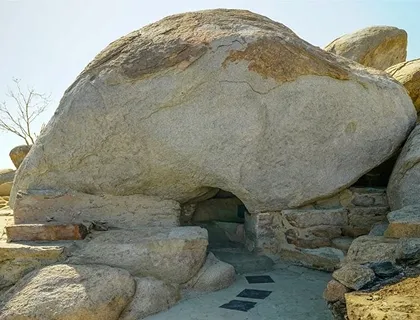
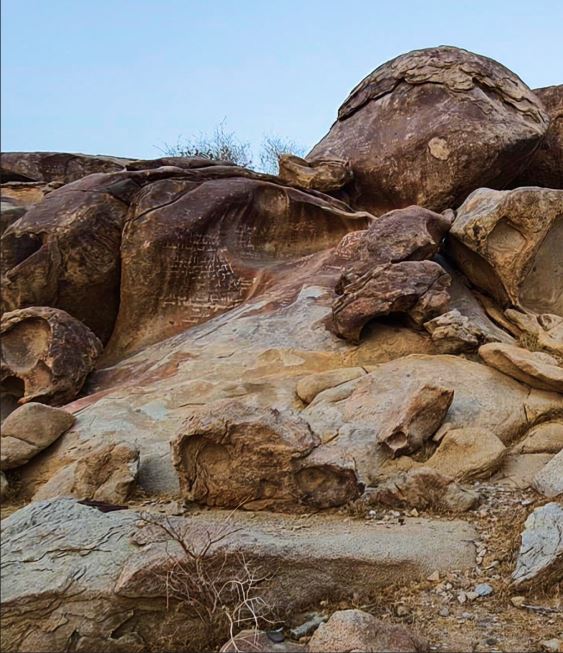
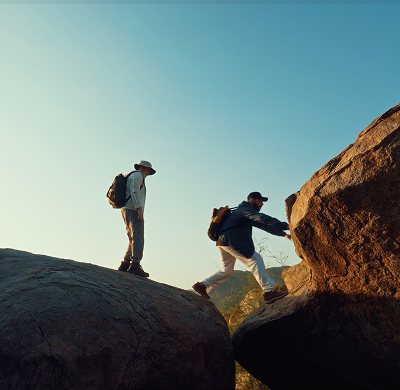
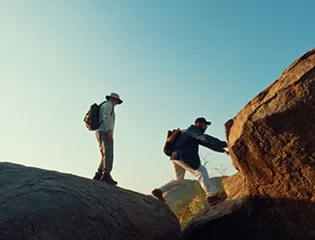
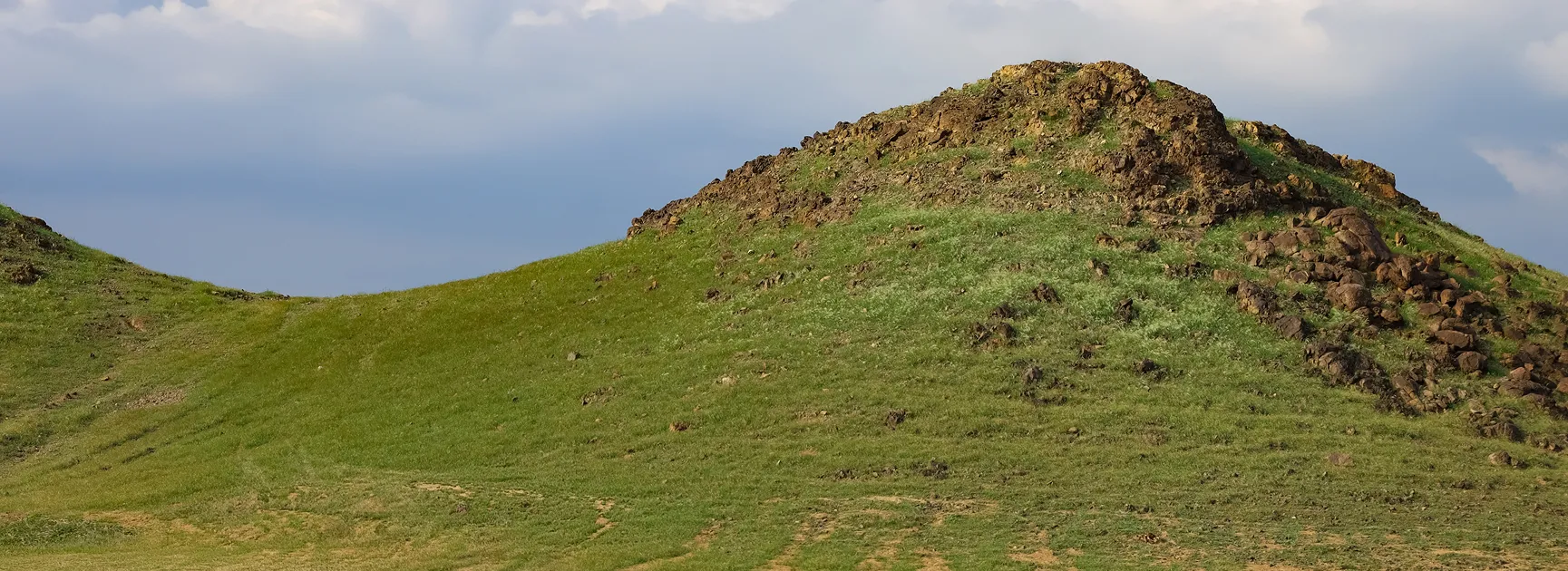
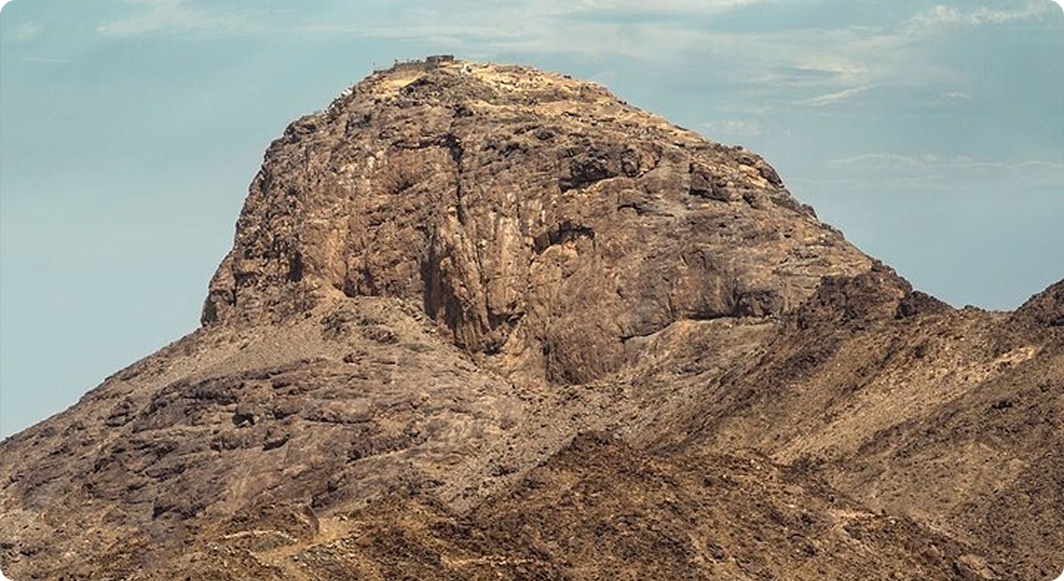
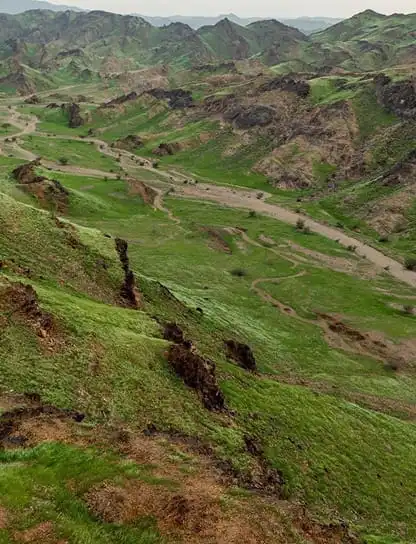
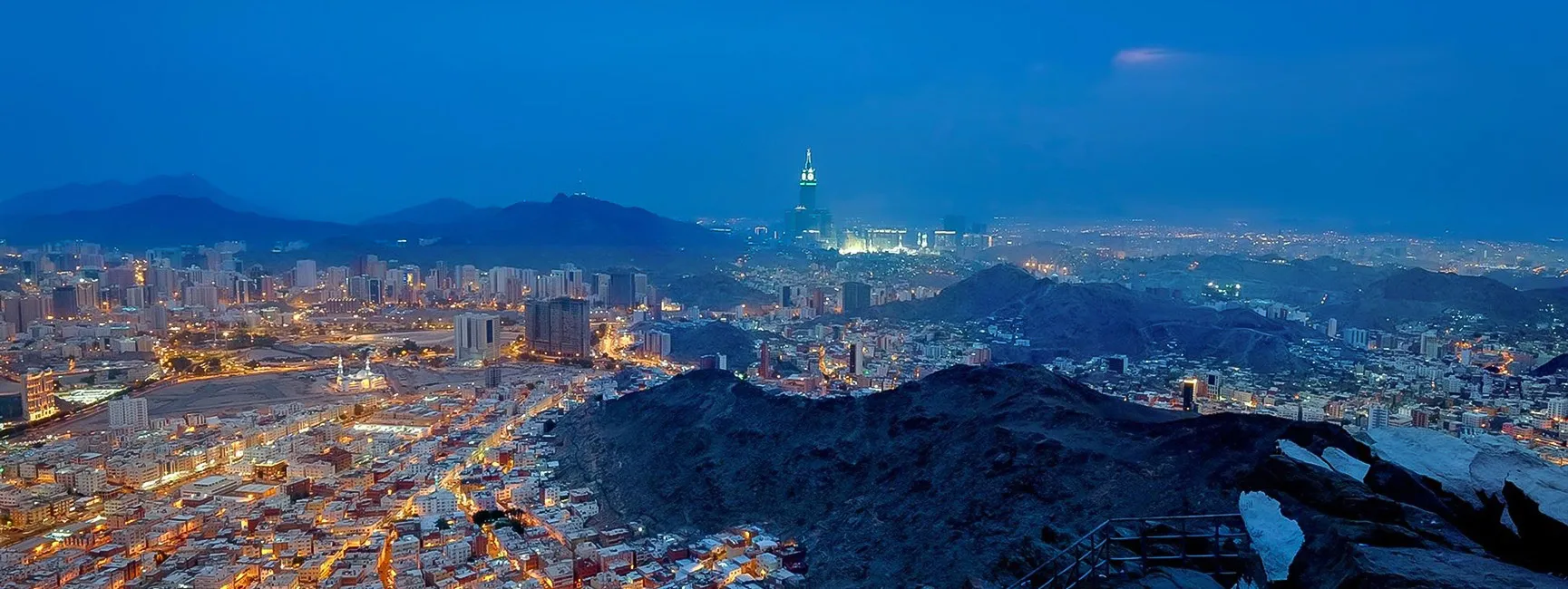
Makkah lies within a dry valley embraced by towering mountains, endowing it with a distinctive geographical identity and a striking natural beauty. Its desert landscape, coupled with a warm climate—particularly pleasant during winter—makes it an exceptional destination for visitors seeking both spiritual fulfillment and unique natural experiences in the Sacred City.
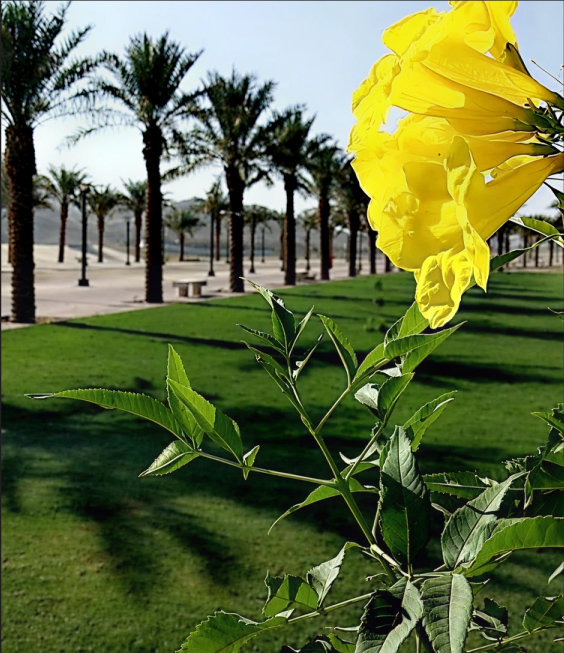
Makkah is characterized by a hot and dry desert climate, with scarce and sporadic rainfall, mostly concentrated in the winter months, particularly in November. Occasionally, the rain can be heavy, revitalizing the valleys and plains. Despite the limited precipitation, the local environment maintains a modest but drought-adapted plant diversity, with vegetation thriving in valley bottoms and water-collecting areas, including sidr, arak, and ashar trees, along with seasonal plants that grow following rainfall.
The vegetation mainly consists of short shrubs and annual plants capable of withstanding heat and aridity. Wildlife includes mammals, reptiles, and birds adapted to the region’s harsh conditions, such as the Arabian wolf, sand fox, jerboa, as well as birds like the houbara bustard and partridge.
This environmental diversity gives Makkah a unique natural character despite its dry mountainous nature, where harshness and fertility coexist in a distinctive balance. The UQU Herbarium (Umm Al-Qura University Herbarium) also serves as a scientific reference, documenting local plants with an educational collection that includes more than 190 species and various plant specimens from Makkah and its surroundings.
Makkah enjoys a warm, sunny climate for most of the year, making it an ideal destination to visit at any time. The city is characterized by its dry atmosphere and pleasant evening breezes that add a special charm after sunset. Winds vary between the north, northwest, and southwest, offering a refreshing change of weather throughout the seasons. With its stable climate, visitors can enjoy their spiritual and touristic experiences in a calm and comfortable environment all year round.
Makkah is characterized by a hot and dry desert climate, with scarce and sporadic rainfall, mostly concentrated in the winter months, particularly in November. Occasionally, the rain can be heavy, revitalizing the valleys and plains. Despite the limited precipitation, the local environment maintains a modest but drought-adapted plant diversity, with vegetation thriving in valley bottoms and water-collecting areas, including sidr, arak, and ashar trees, along with seasonal plants that grow following rainfall.
The vegetation mainly consists of short shrubs and annual plants capable of withstanding heat and aridity. Wildlife includes mammals, reptiles, and birds adapted to the region’s harsh conditions, such as the Arabian wolf, sand fox, jerboa, as well as birds like the houbara bustard and partridge.
This environmental diversity gives Makkah a unique natural character despite its dry mountainous nature, where harshness and fertility coexist in a distinctive balance. The UQU Herbarium also serves as a scientific reference, documenting local plants with an educational collection that includes more than 190 species and various plant specimens from Makkah and its surroundings.
Last Updated : 24/07/1447 - 3:00 م Saudi Time






.webp?language=ar)

.webp?language=en)
.webp?language=en)
.webp?language=en)
.webp?language=en)

.jpg?language=ar)
.jpg?language=ar)










.webp?language=ar)




 Language Switching


