


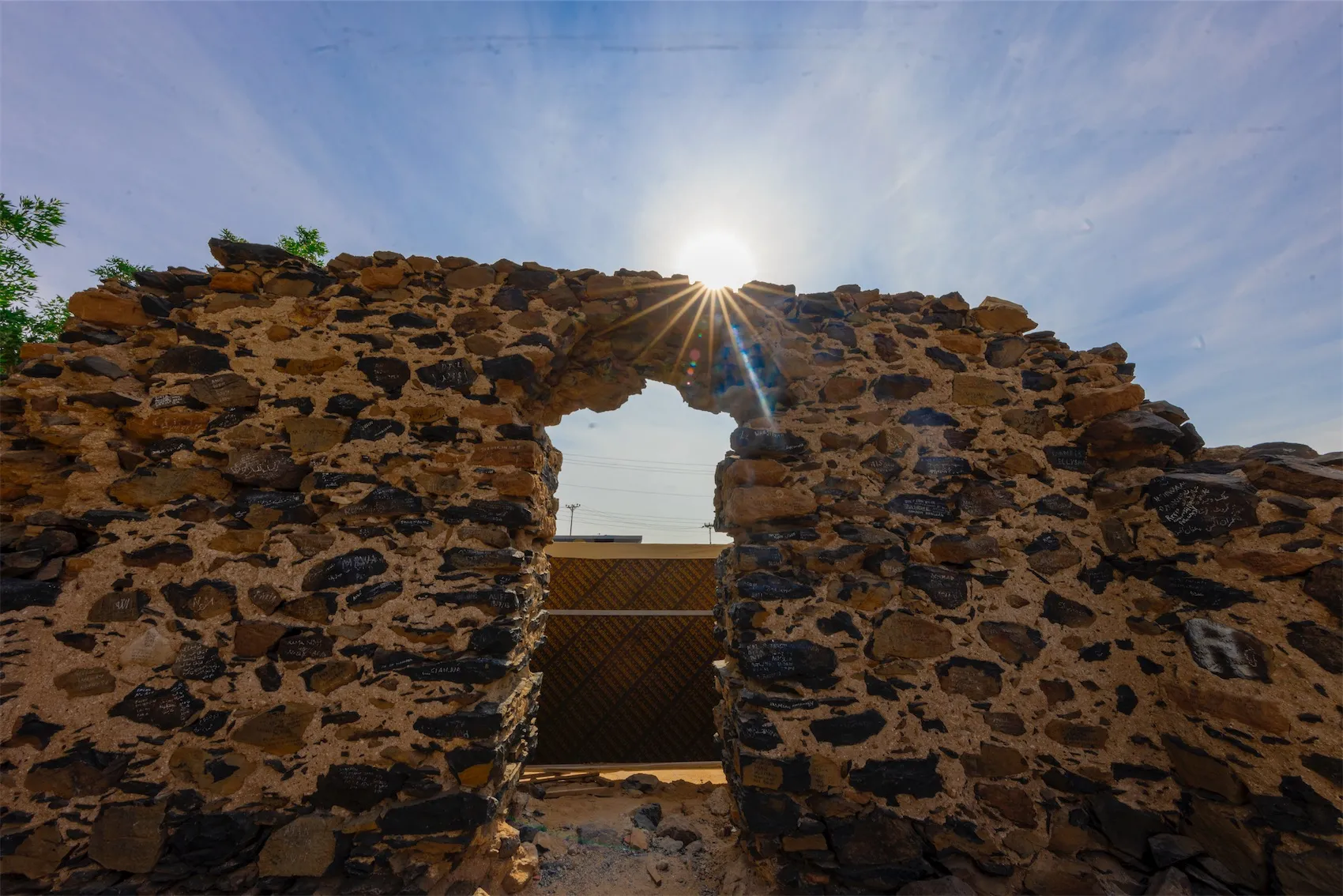
Here, at the edge of Makkah, Hudaybiyyah stood witness to a pivotal moment in history, where the wisdom of the Prophet (PBUH)wove the threads of reconciliation, and the determination of his companions blended with patience.
On its soil, the companions advanced with steps filled with longing, their eyes fixed on the Kaaba and their hearts beating with the dream of performing Umrah. Yet the path ahead was a barrier of challenges, as Quraysh stood firm like a solid wall.
Under the shade of a tree that became a symbol of loyalty, hands were raised, souls pledged before hands, in a scene that stirred hearts, inscribed in history with ink of honor and devotion, blessed by the Lord of the heavens and earth.
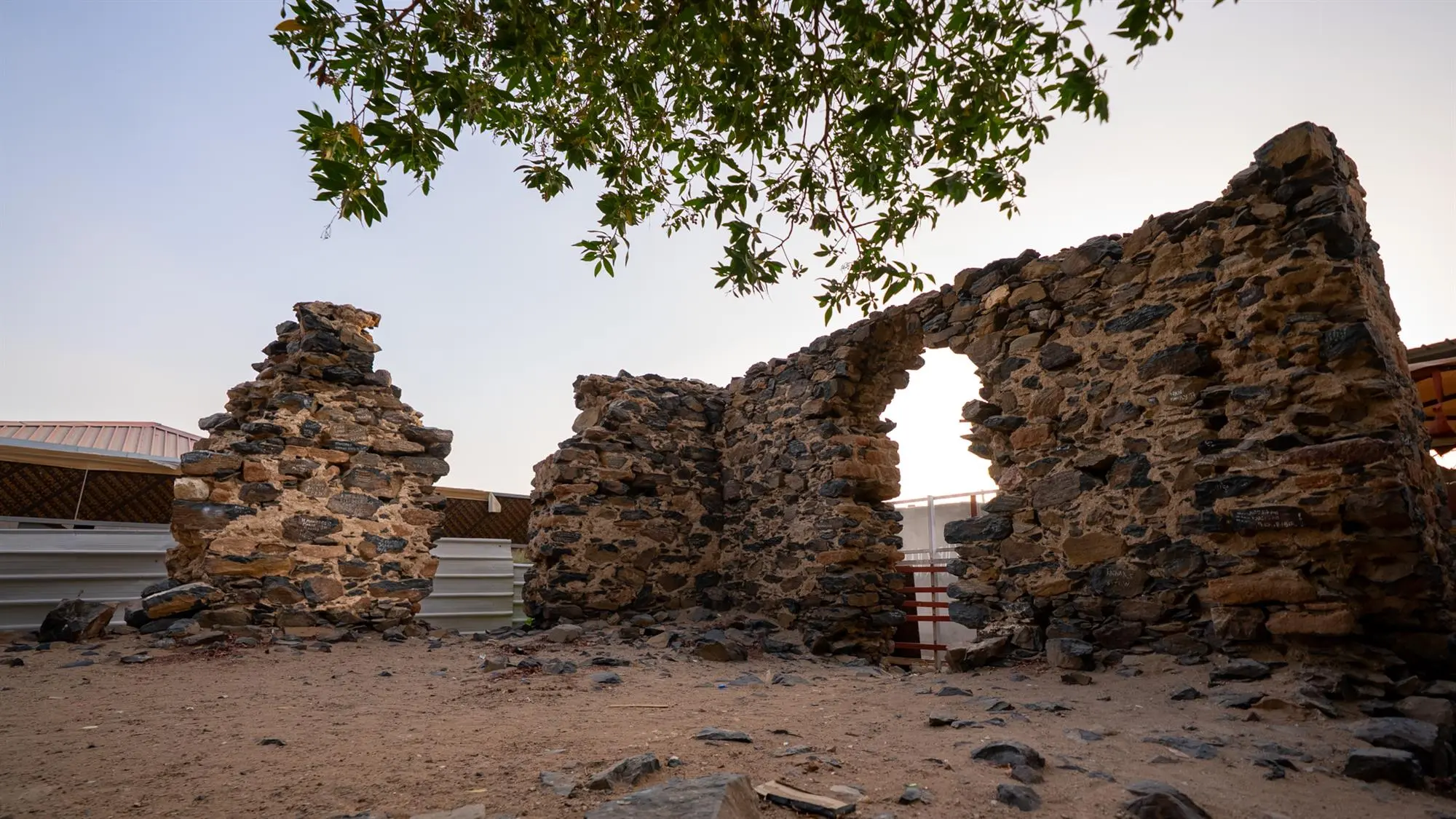
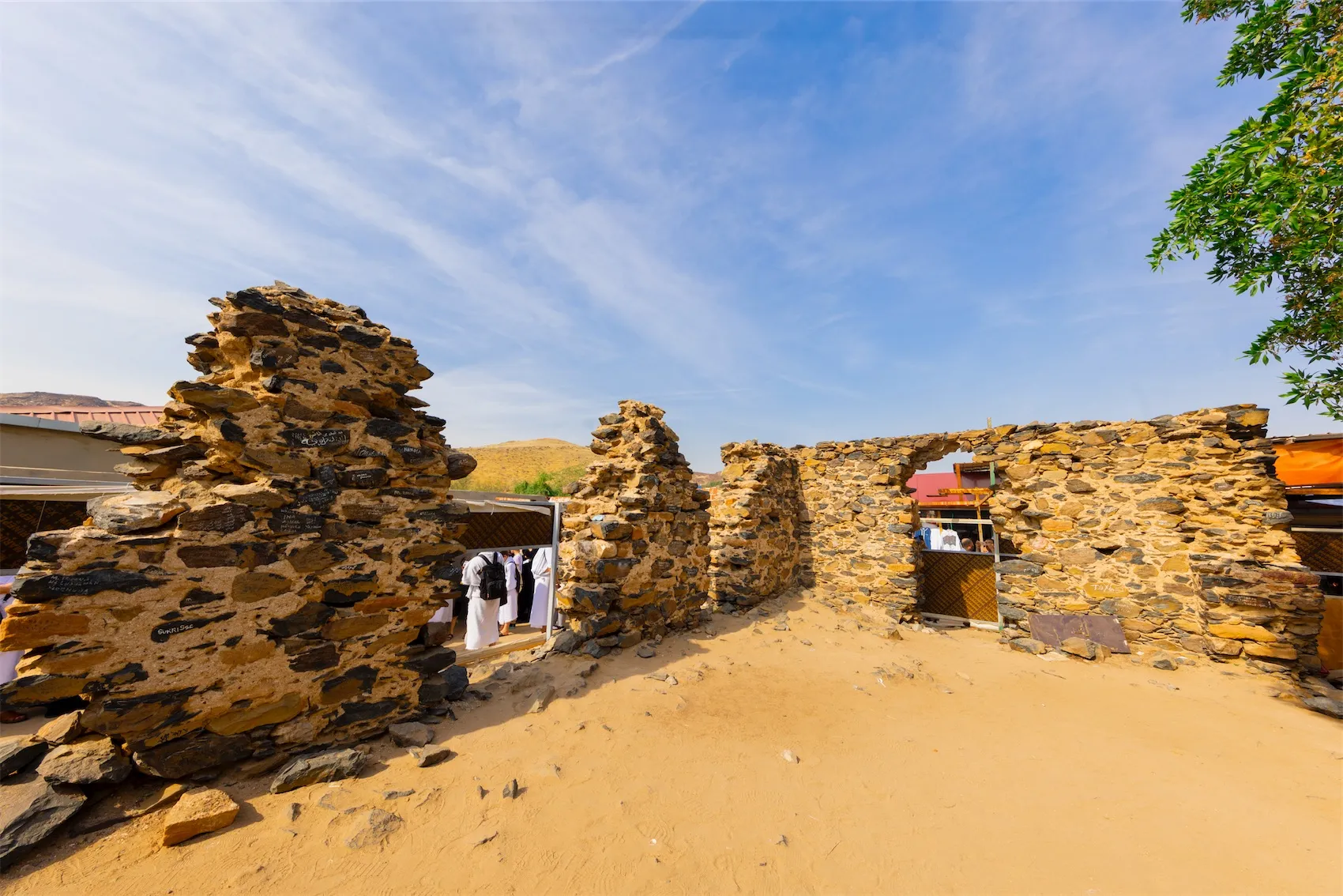
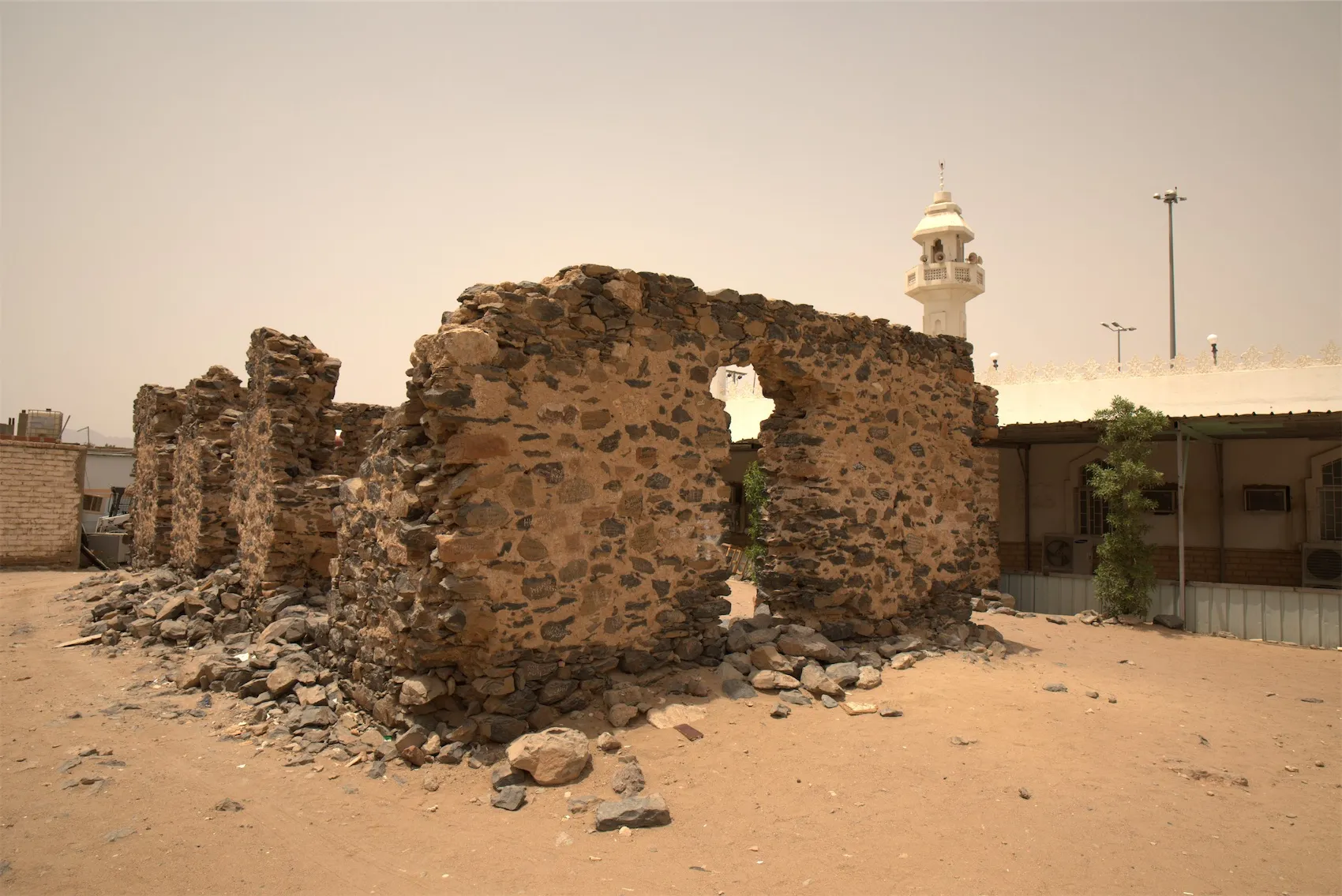
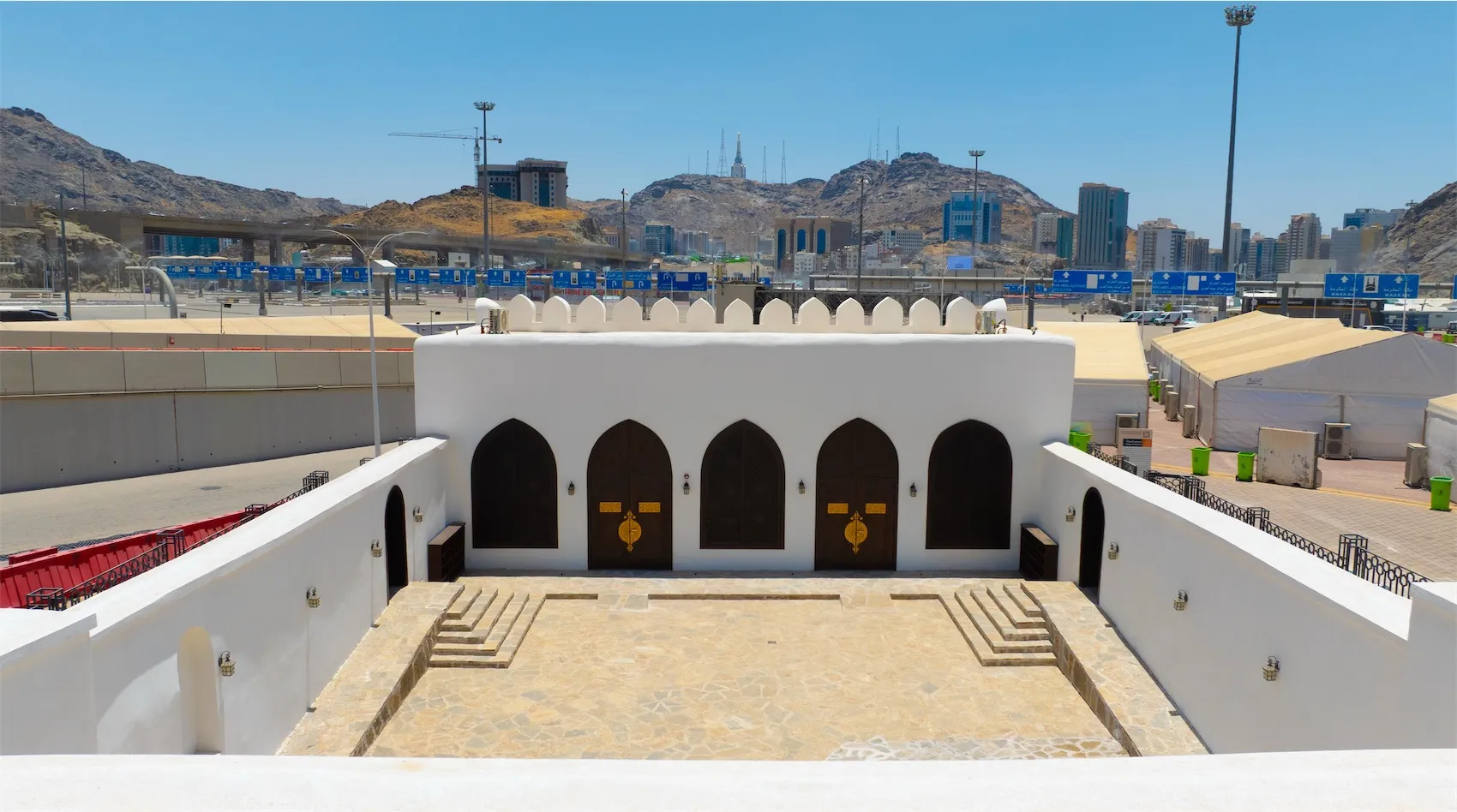
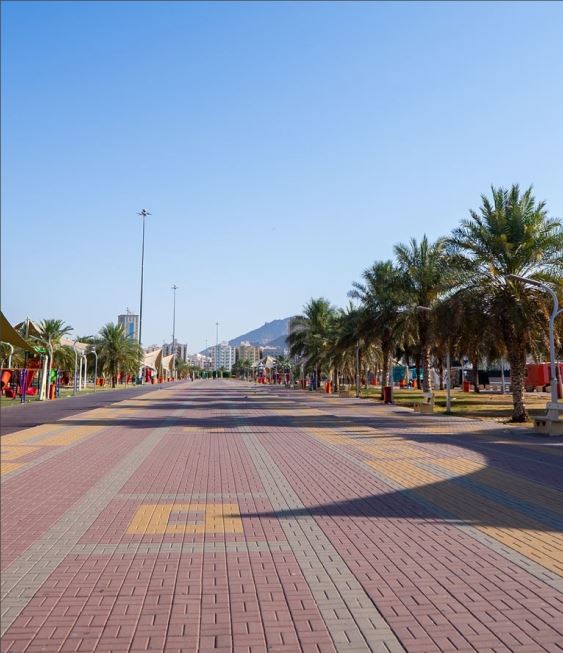
Hudaybiyyah is a historic area located 22 km west of the Sacred Mosque (Al-Masjid Al-Haram), gaining importance for its connection to the events of the Prophet's (PBUH)biography. In the 6th year of Hijrah (628 CE), the Prophet (PBUH), with 1,400 companions, aimed to perform Umrah but Quraysh prevented their entry. Hudaybiyyah witnessed two main events: the Pledge of Ridwan, praised by Allah in the Qur’an, and the Hudaybiyyah Treaty, concluded after several negotiations between the Prophet (PBUH)and Quraysh, mediated by Suhail ibn Amr, requiring Muslims to postpone Umrah that year.
In the month of Dhu al-Qi'dah, 6 AH (628 CE), the Prophet (PBUH), with 1,400 companions, intended to perform Umrah, bringing sacrificial animals with him. Upon reaching Usfan, he learned that Quraysh intended to prevent entry and fight. To avoid conflict, the Prophet (PBUH)took another route, landing at Hudaybiyyah, and sent Uthman ibn Affan to reassure Quraysh of his peaceful intentions. When rumors of Uthman’s death spread, the Prophet (PBUH)called his companions for a pledge of steadfastness even unto death, which they eagerly took. The Qur’an immortalized this Pledge of Ridwan as a symbol of loyalty, sacrifice, and faith.
The treaty stated: "In Your Name, O Allah, Muhammad ibn Abdullah and Suhail ibn Amr have reconciled. They agreed on a ten-year truce, ensuring safety for the people...". Hudaybiyyah also highlighted the high status of women, as Umm Salamah ا advised the Prophet (PBUH)regarding sacrificing his animals and shaving his head to allow companions to complete ihram. Additionally, the spring of water miraculously flowed from the Prophet’s (PBUH)fingers, as Jabir reported, enabling companions to drink and perform ablution.
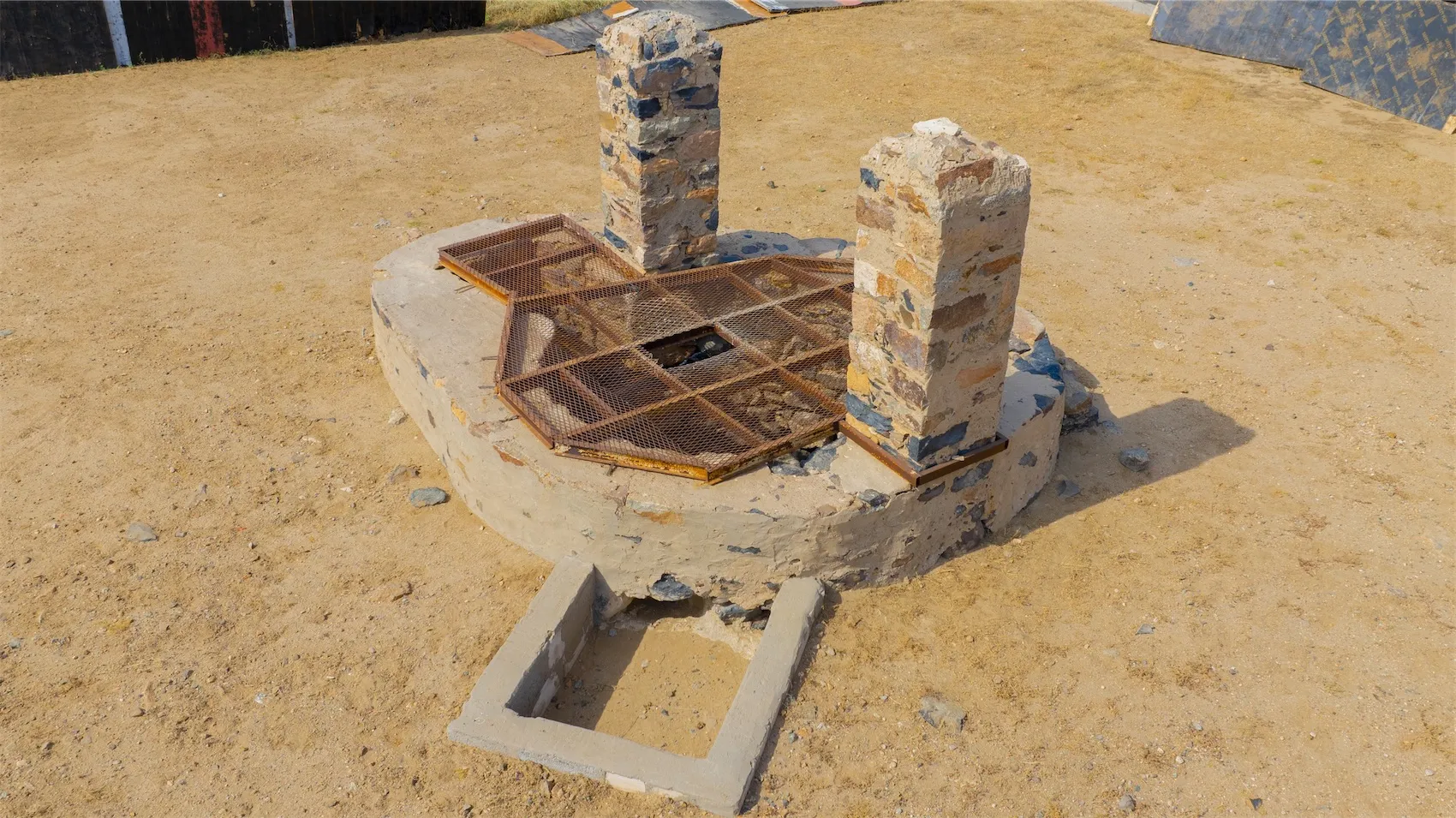
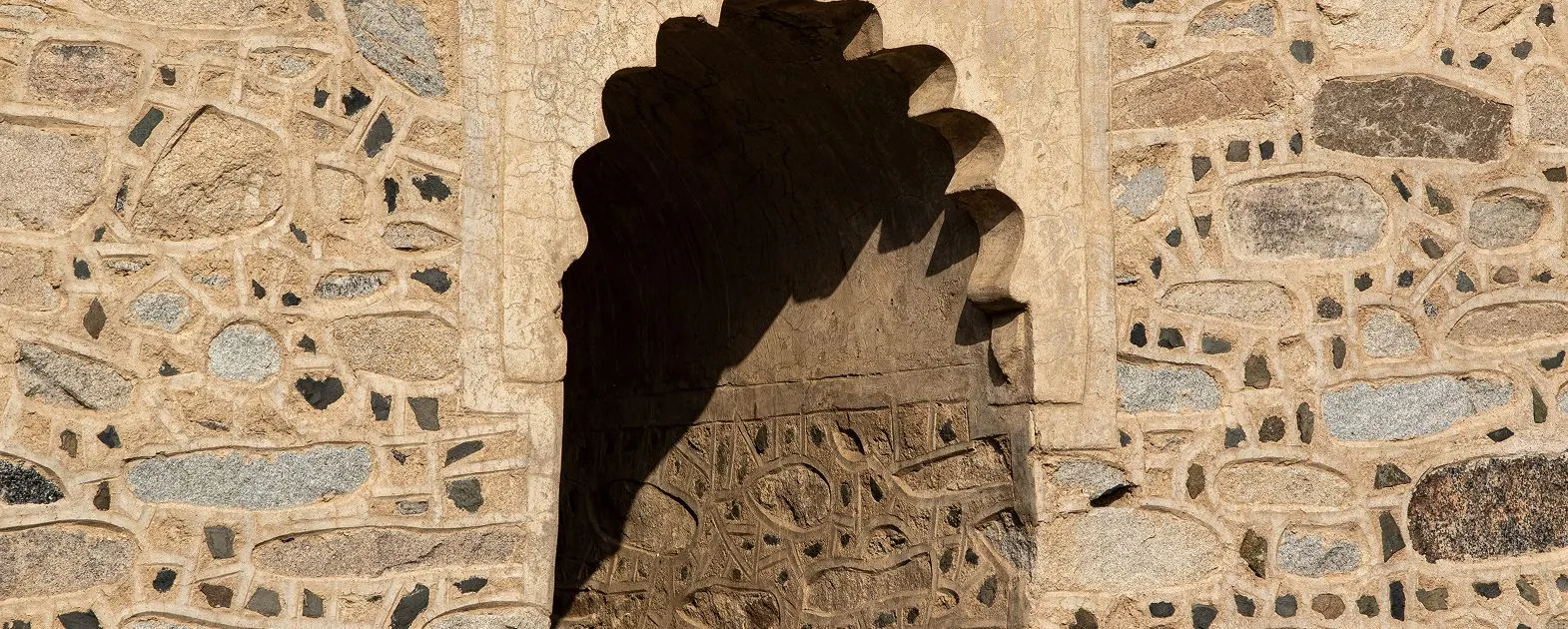
Located 450 m southeast of Al-Shumaisi Mosque, on the right side of the road to Makkah, this historic well likely dates back to pre-Islamic times. It is believed to be the site of the prophetic miracle, where water flowed abundantly for everyone. The well is circular, built of stones, with an external diameter of 4.20 m, a surrounding wall 90 cm high and 70 cm thick, two supporting pillars for the pulley axle about 1.5 m high, and steps on the northeast side leading to the top edge.
Throughout history, Hudaybiyyah's significance increased when Caliph Uthman ibn Affan made Jeddah the main port for Makkah in 26 AH (647 CE) instead of Al-Shuaibah. Thus, Hudaybiyyah became a key station on the route between Makkah and Jeddah, and for pilgrims coming from Jeddah, strengthening its role as a strategic connecting area.

Discover Makkah’s Key Historical And Spiritual Sites.
Old Makkah-Jeddah Road, Umm Al-Joud District, Makkah
24 Hours
From one to two hours
Free
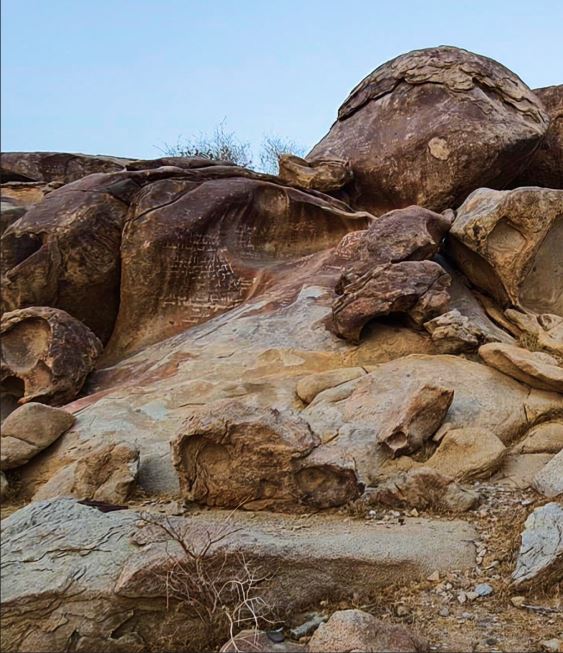
Reach the Asilah inscriptions by 4WD due to rough terrain. Book a guided tour in advance for safe access and deeper insights into the site.
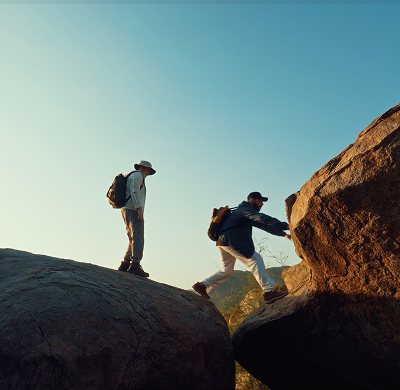
Bring water, sun protection, and avoid midday heat. Stay on marked trails and watch for loose rocks.
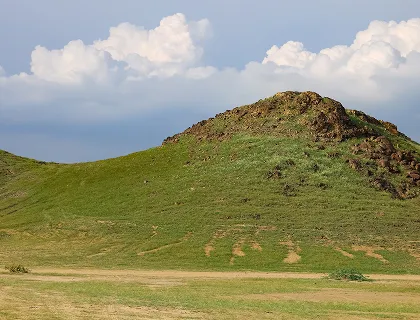
Shoot in golden light after sunrise or before sunset, using wide angles to capture historical landmarks and the surrounding desert landscape.
Last Updated : 24/06/1447 - 11:49 ص Saudi Time





.webp?language=ar)

.webp?language=en)
.webp?language=en)
.webp?language=en)
.webp?language=en)

.jpg?language=ar)
.jpg?language=ar)


.webp?language=ar)



.jpg?language=ar)

.webp?language=ar)
 Language Switching


