


Among the mountains of Makkah stands Mount Thawr, holding at its summit a small cave linked to the greatest journey in Islamic history. Here, the Prophet (PBUH) and his companion Abu Bakr (RA) took refuge during their migration to Madinah. God’s protection surrounded them despite the pursuit, and when the Quraysh reached the cave’s entrance, Abu Bakr (RA) said anxiously, "If any of them looked under their feet, they would see us," to which the Prophet (PBUH) reassured him and the entire nation: "What do you think of two, God is their third." Today, the Cave of Thawr stands as a testament to sincere reliance on God, where victory arises from trust in Him.
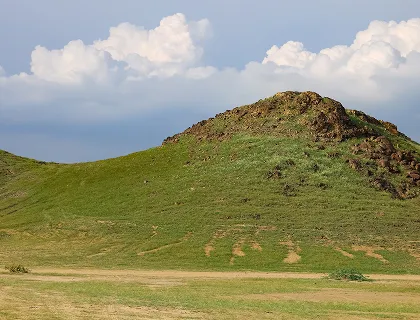
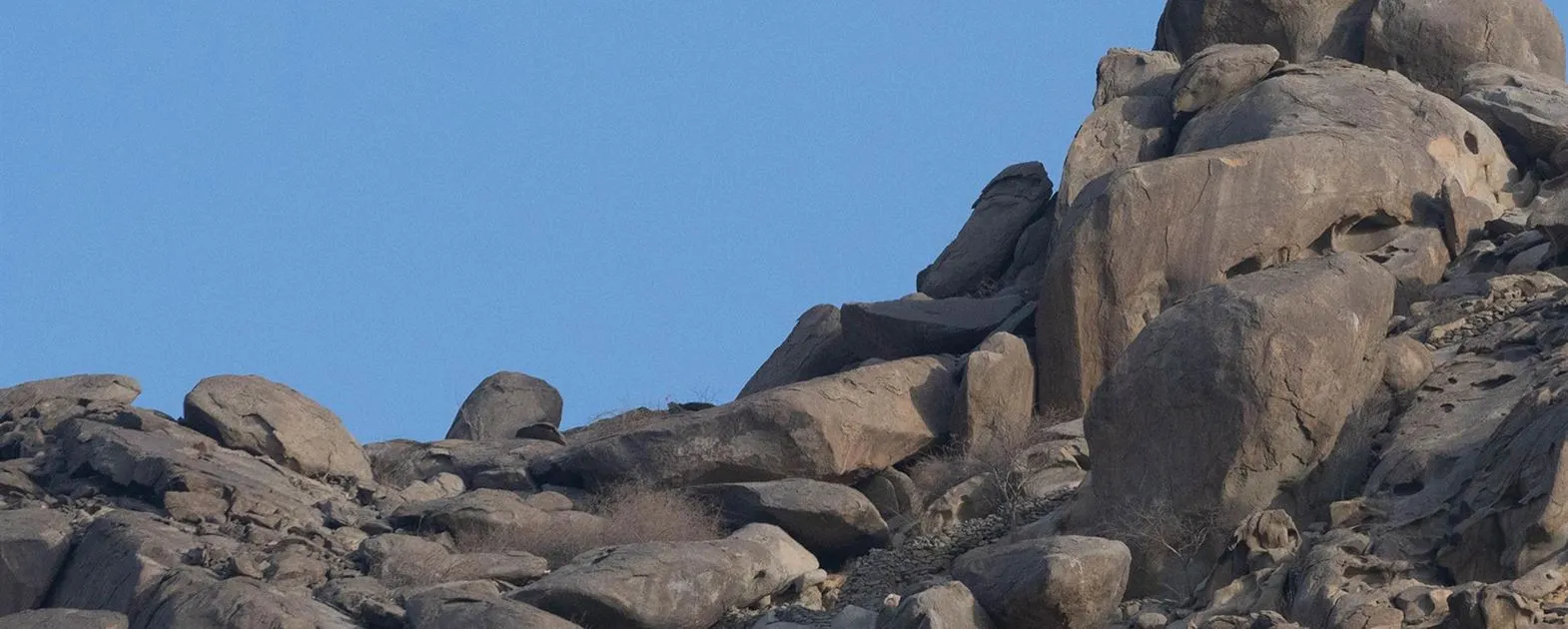
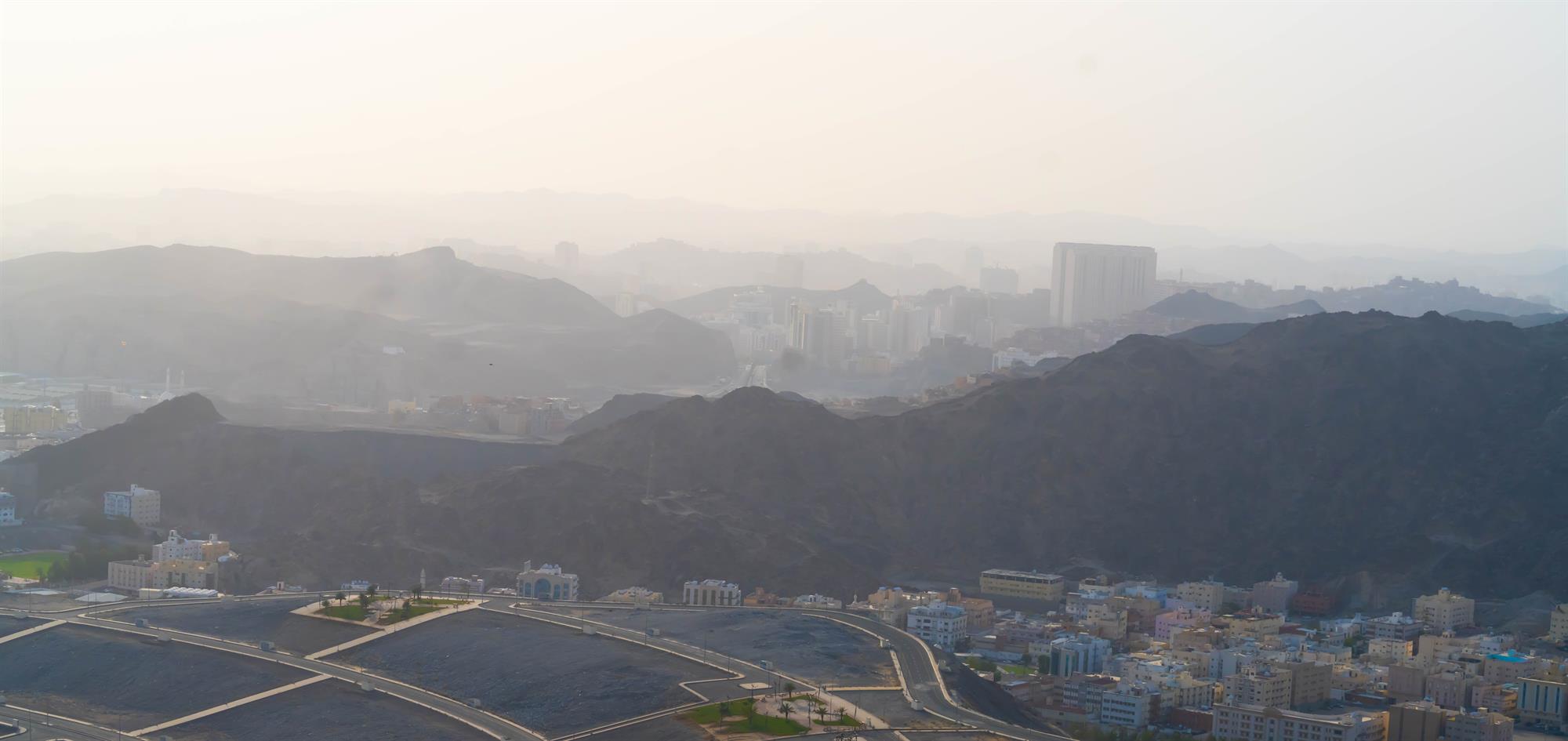
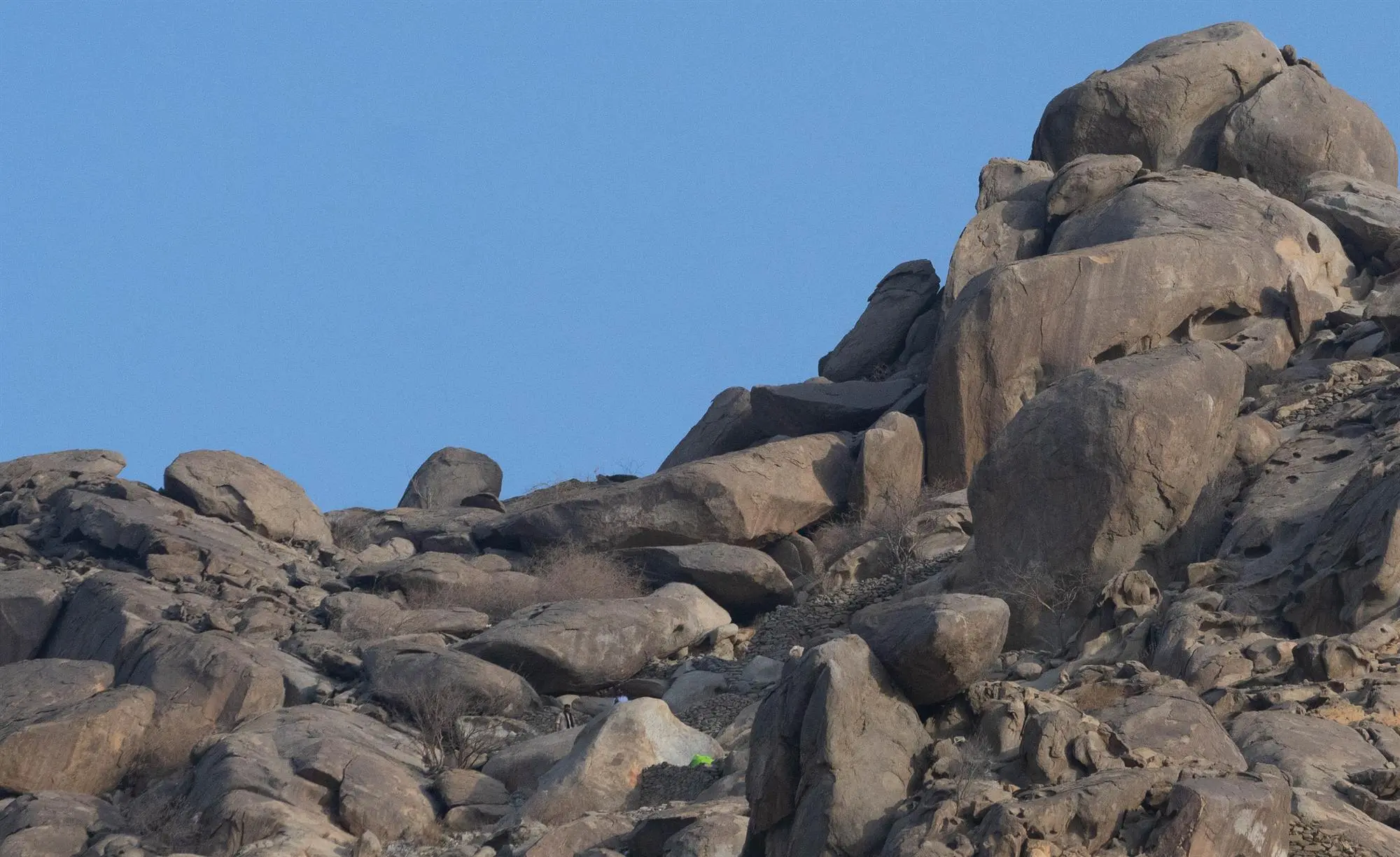
Mount Thawr: One of the famous mountains of Makkah, located south of Al Masjid Al Haram, about 5 km away. It was formerly known as Jabal Athhal, later inhabited by Thawr ibn Abd Manaah and named after him. It rises 754 m above sea level and covers an area of 10.1 km².
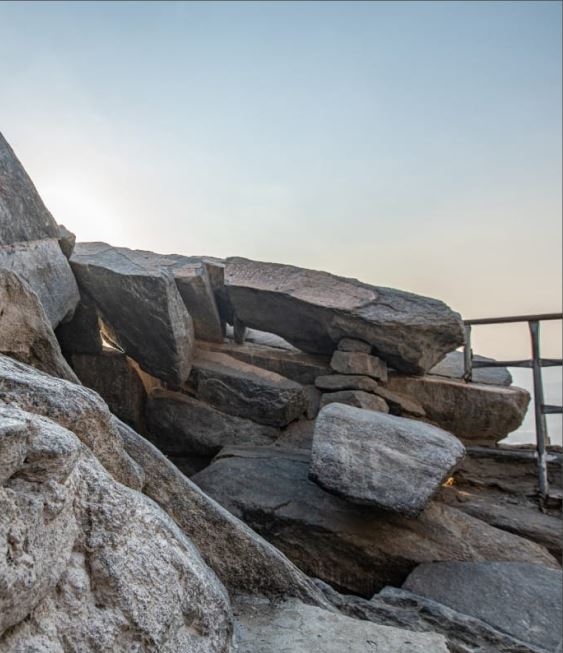
The mountain is closely linked to the Prophet’s (PBUH) migration, as its summit contains the cave in which the Prophet (PBUH) and his companion Abu Bakr (RA) stayed for three nights to hide from the Quraysh.
The Qur’an references this event in the verse: (If you do not aid him, [know that] Allah has already aided him when those who disbelieved had driven him out – the second of the two, when they were in the cave and he said to his companion, “Do not grieve; indeed Allah is with us.”)﴾ [Surah At-Tawbah: 40].
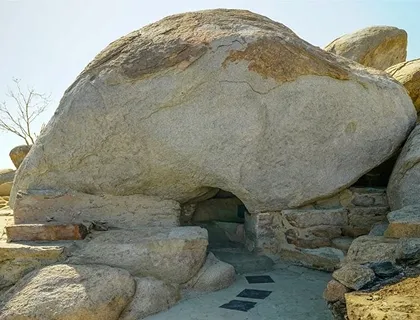
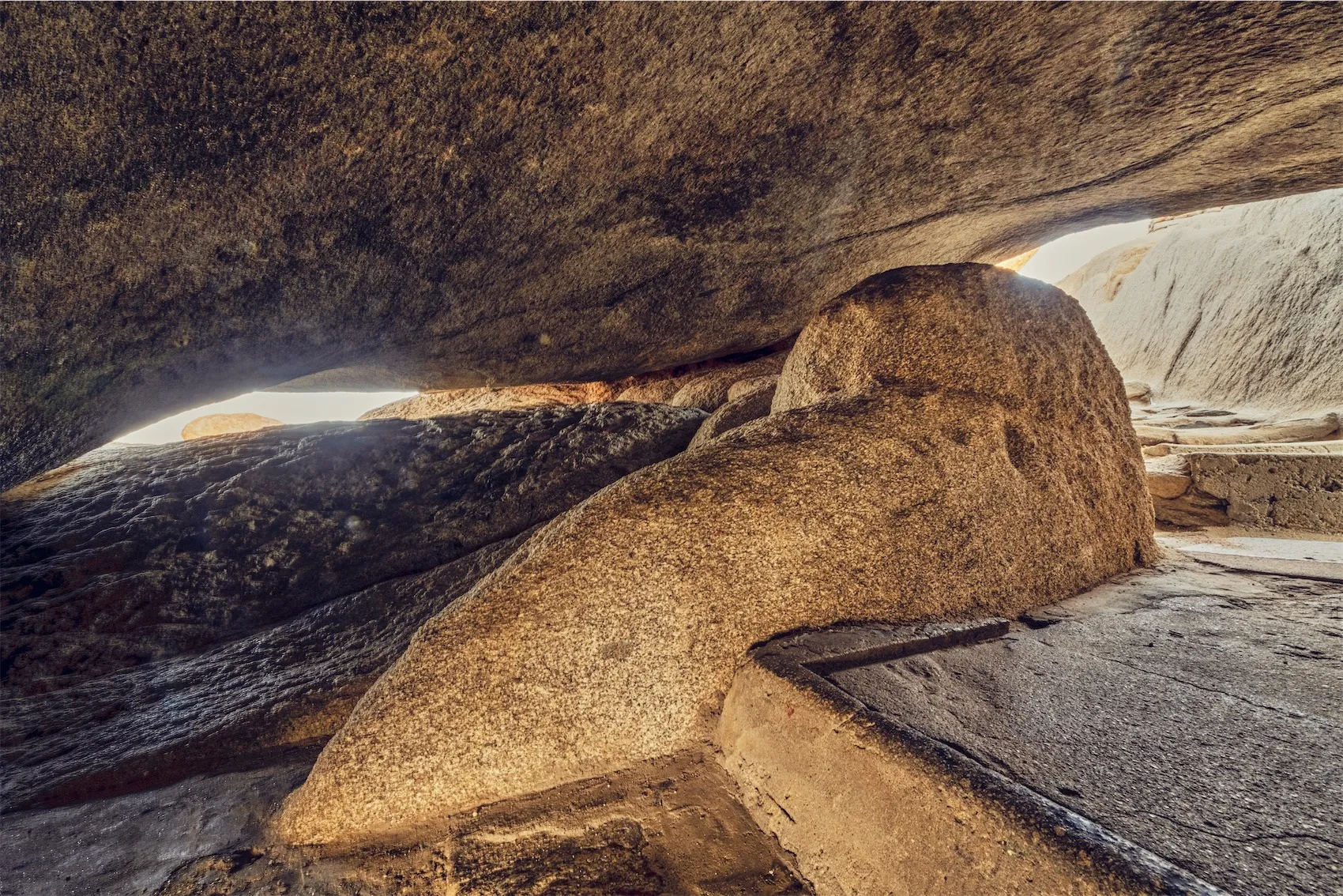
Located at the mountain’s summit, it measures 3.5 m in length, 3.5 m in width, and 1.25 m in height, with two entrances: the western one used by the Prophet (PBUH) and his companion, and the eastern one created later to facilitate entry and exit.
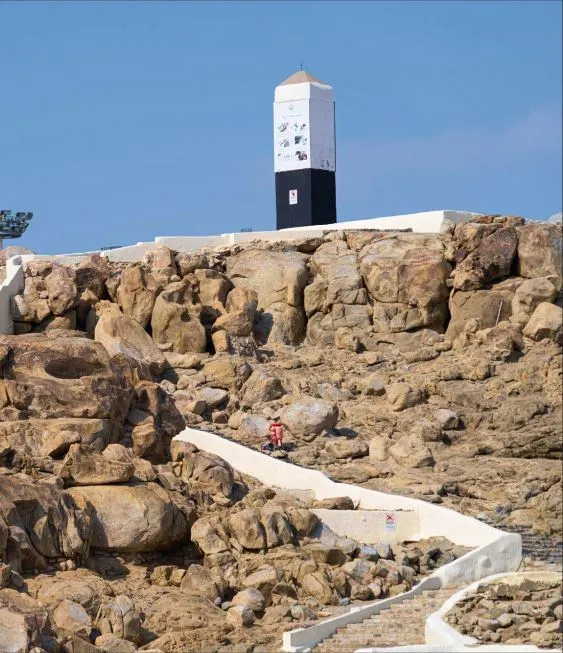
In the early 14th century AH, some governors improved the path and marked its course so that visitors would not lose their way among the mountain’s ravines. Reaching the cave takes approximately an hour and a half to two hours.
The phase of migration to Madinah has passed, but the values and meanings it carried remain engraved in the memory of the Muslim Ummah. True migration is not merely leaving one’s homeland, but abandoning sin and transgression. Abdullah ibn ‘Amr (RA) narrated: "A man said: 'O Messenger of Allah! Which emigration (Hijrah) is best?' He said: 'To leave what your Lord, the Mighty and Sublime, dislikes.' (Narrated by al-Nasa’i and authenticated by al-Albani).A believer must migrate to Allah through loving Him, submitting to His commands, following the Sunnah of His Messenger (PBUH), and emulating him in his character and conduct - so that he may be a true migrant. As the Prophet (PBUH) said: ‘A Muslim is the one who avoids harming Muslims with his tongue and hands. And a Muhajir (emigrant) is the one who gives up (abandons) all what Allah has forbidden.’ (Agreed upon).”
After the Prophet (PBUH) and Abu Bakr (RA) took refuge in the Cave of Thawr, the Quraysh searched for them. Some reached the cave’s entrance, and Abu Bakr (RA) saw their feet and grew anxious. The Prophet (PBUH) reassured him: "What do you think of two, God is their third."
Abdullah ibn Abi Bakr (RA) used to spend every night with them, then return to Quraysh in Mecca at daybreak to listen to their news and relay it back to them. As for Ibn Fuhayrah (RA), the servant of Abu Bakr, he would tend Abu Bakr’s sheep and drive them at night toward Mount Thawr. He would milk them and carry the milk to the cave, then lead the flock over Abdullah ibn Abi Bakr’s footprints to conceal his tracks.
The cave is located at the summit on the north side, measuring 3.5 m in length, nearly the same in width, and 1.25 m in height, with two entrances:
The first: on the western side, which is the entrance through which the Prophet (PBUH) and his truthful companion (Abu Bakr, RA) entered. Entering from this side is difficult because it is very narrow and low, with a height of about 70 cm and a width of 85 cm. It was widened in the 9th century AH after some people became trapped inside the cave.
The second: on the eastern side, which was made by people in later centuries to make entering and exiting the cave easier.
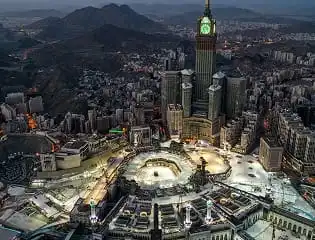
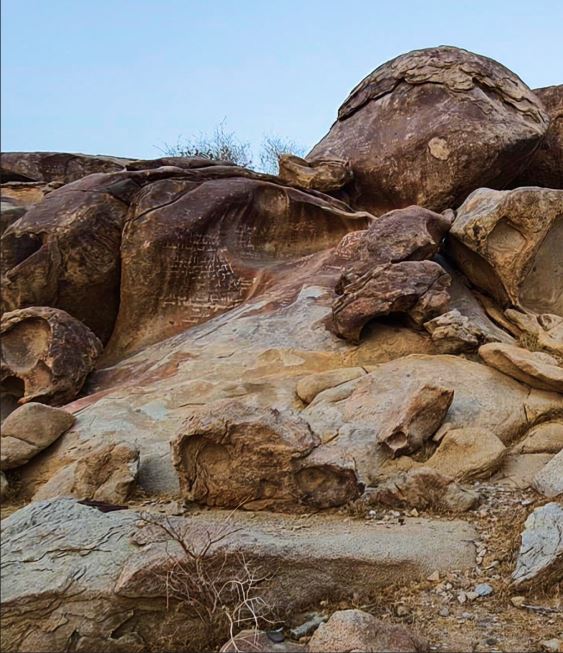
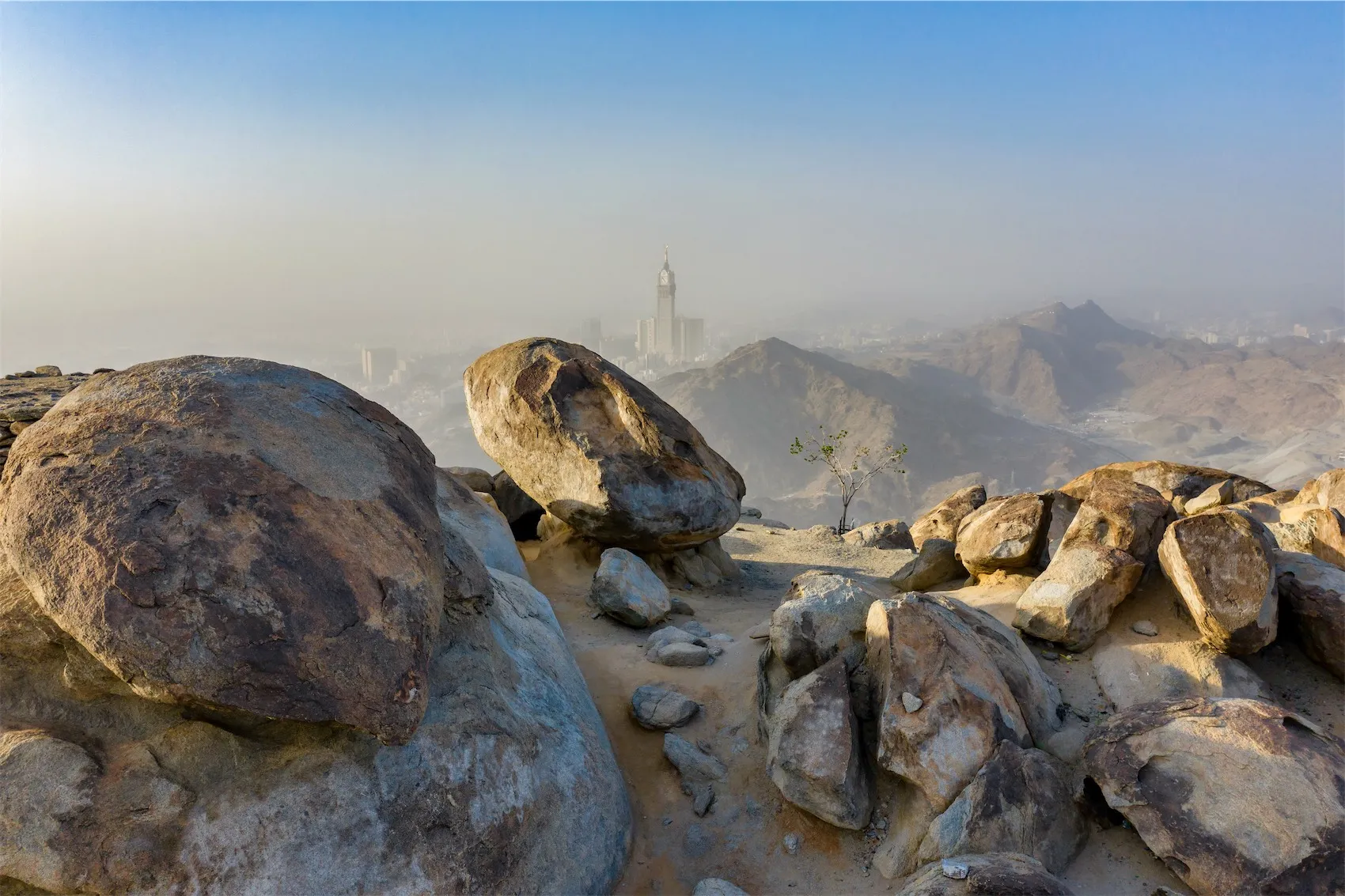
From atop Mount Thawr, which rises 754 meters above sea level, one can see a bright, panoramic view of Makkah, Muzdalifah, and Mina, with their mountains, valleys, and mountain passes - all appearing in their beauty and majesty.
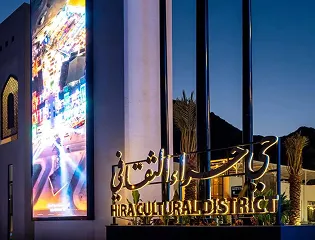
Today, residential neighborhoods have expanded to surround the mountain, so it now overlooks the Hijrah District to the north, Batha Quraysh to the west, Al-Awali to the southeast, and Al-Naseem to the east.
The mountain remains towering through the ages, standing as a witness to the blessed migration that changed the course of history.

Discover Makkah’s Key Historical And Spiritual Sites.
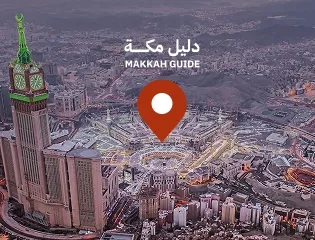
South of Makkah, specifically in the Al-Hijrah district, about 4 kilometers south of the Grand Mosque.
The site is currently under development.
From one to two hours
Free
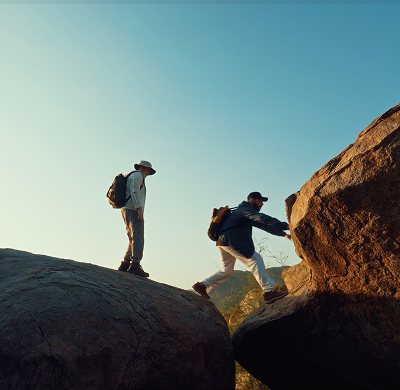
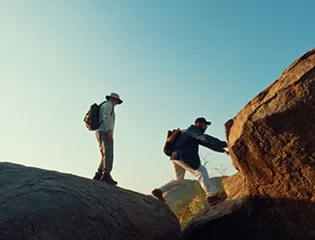
Wear climbing shoes, bring water and a sun hat, start early or before sunset, and follow marked trails for a safe Mount Thawr visit.
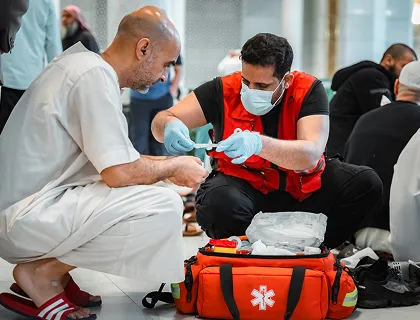
Pack a backpack with a first aid kit and GPS, keep your phone fully charged for a safe Mount Thawr visit.
Capture Jabal Thawr in golden light after sunrise or before sunset. Steady your camera and use rocks and peaks for dramatic shots.
Last Updated : 25/06/1447 - 10:26 ص Saudi Time





.webp?language=ar)

.webp?language=en)
.webp?language=en)
.webp?language=en)
.webp?language=en)

.jpg?language=ar)
.jpg?language=ar)






.webp?language=ar)



-(1).jpg?language=ar)

.webp?language=ar)
.jpg?language=ar)
 Language Switching


