


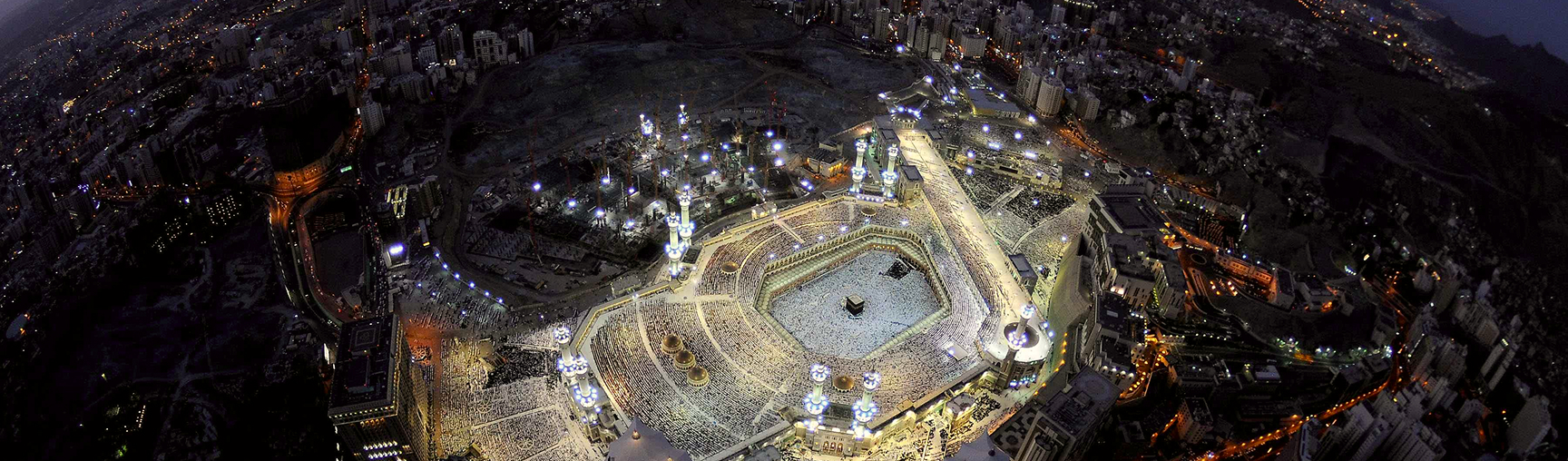
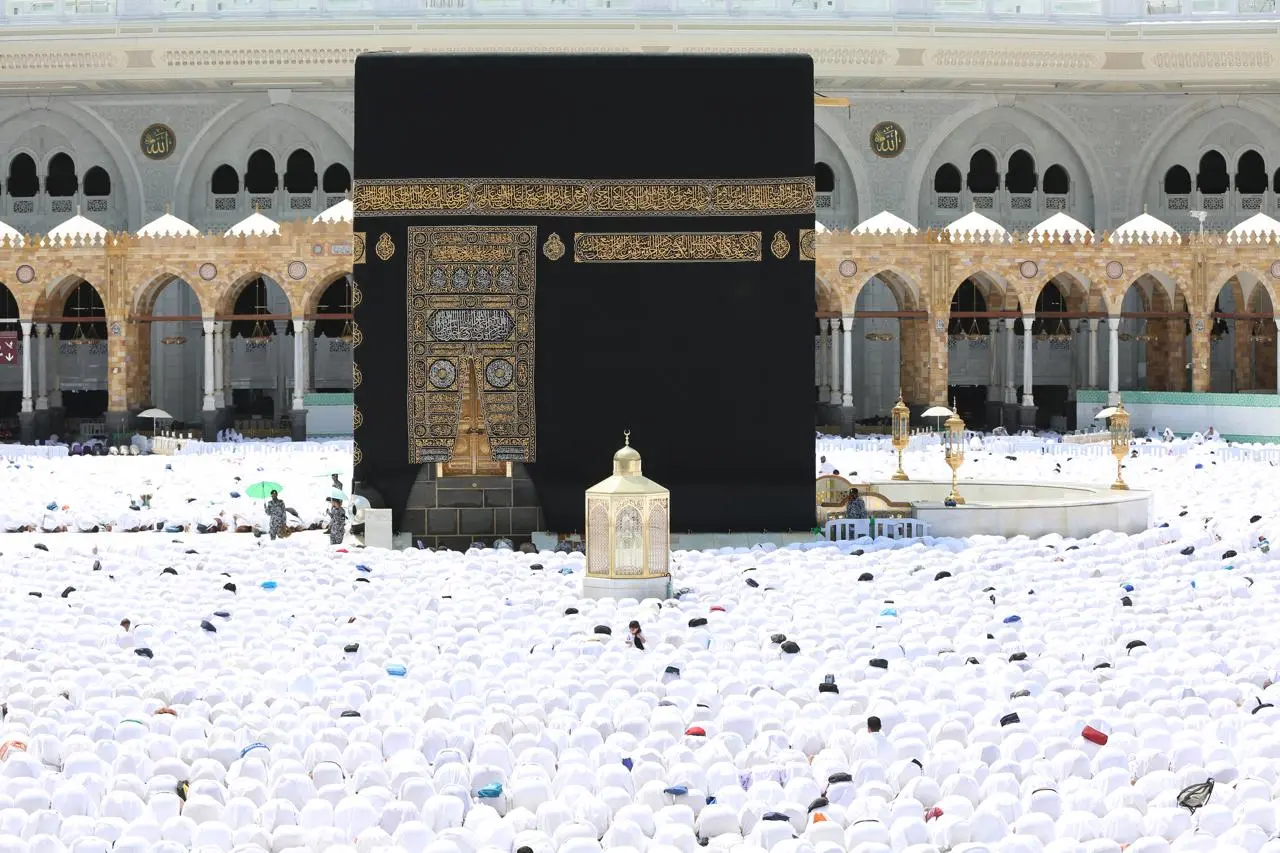
Makkah has been a sacred city ever since God chose it as the site of His Ancient House, where Prophet Abraham (peace be upon him) built the Kaaba. Throughout history, various tribes settled in the area, and although their beliefs differed and many strayed from the true faith of Abraham, divine will guided the footsteps of the Father of the Prophets to the heart of the Arabian Peninsula, where God established the first house of worship for mankind.
From beneath the desert sands, the foundations of that House were revealed to Abraham. By God’s command, he raised the structure of the Kaaba, and once the building was completed, Abraham lifted his hands toward the sky, praying that God would guide the hearts of all people to the straight faith, grant them the honor of visiting this sacred House, and bless the inhabitants of this land—and all who come to it—with the fruits of the earth so that they may live in security, ease, peace, and abundant goodness.
By God’s wisdom, Hagar was given a pivotal role in the early history of Makkah. When she and her infant son Ishmael (peace be upon him) suffered from severe thirst, she searched desperately for water, running between Safa and Marwa. God caused a spring to emerge near the Kaaba—water that has remained blessed throughout the ages, from which the pilgrims and visitors of the Sacred House continue to drink to this day.
The interests of the tribes of the Arabian Peninsula—and those who came to Makkah for trade and worship—became closely tied to the city. As a result, they formed a pact that Makkah would remain a city of peace, security, and stability, far removed from the conflicts and disputes that often arose among Arab tribes and neighboring nations.
They would come to it with hearts free of hostility, and within its sanctuary they became as friends, united by shared interests and living together in safety and harmony.
Centuries passed after Prophet Abraham built the Kaaba, and in the year 610 CE,Makkah witnessed a momentous event that transformed not only its own history, but the history of the entire world.
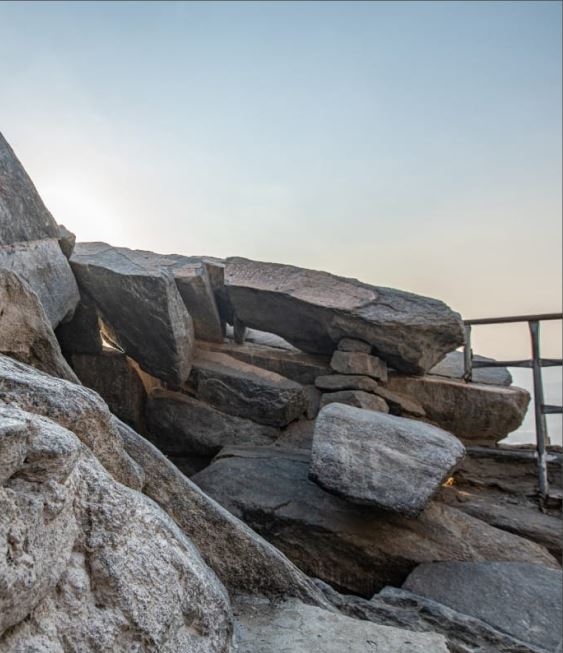
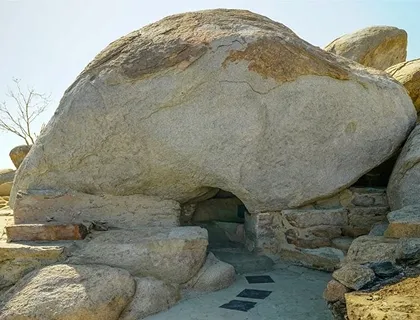
On one of the nights of Ramadan, while a young man from Makkah named Muhammad was devoted in worship in the Cave of Hira atop the Mountain of Light, the Qur’an was revealed to him, and God commanded him to call people to Islam—a faith of compassion and peace.
It is the religion that guides humanity to the proper way of worshipping God, freeing people from the illusions that had led them to idolatry and the worship of statues. It is a faith that unites people, upholds equality among them, brings nations closer together, and preserves peace across the world.
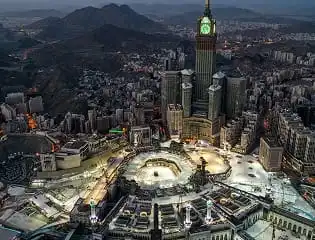
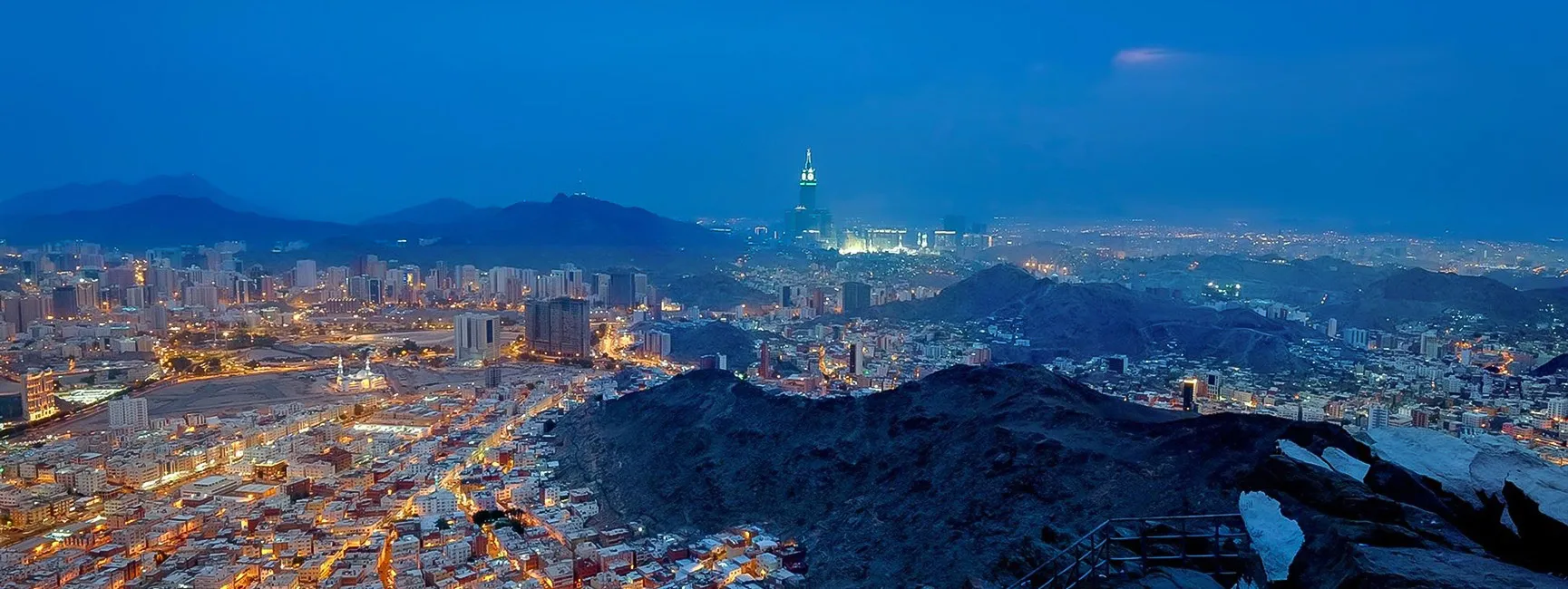
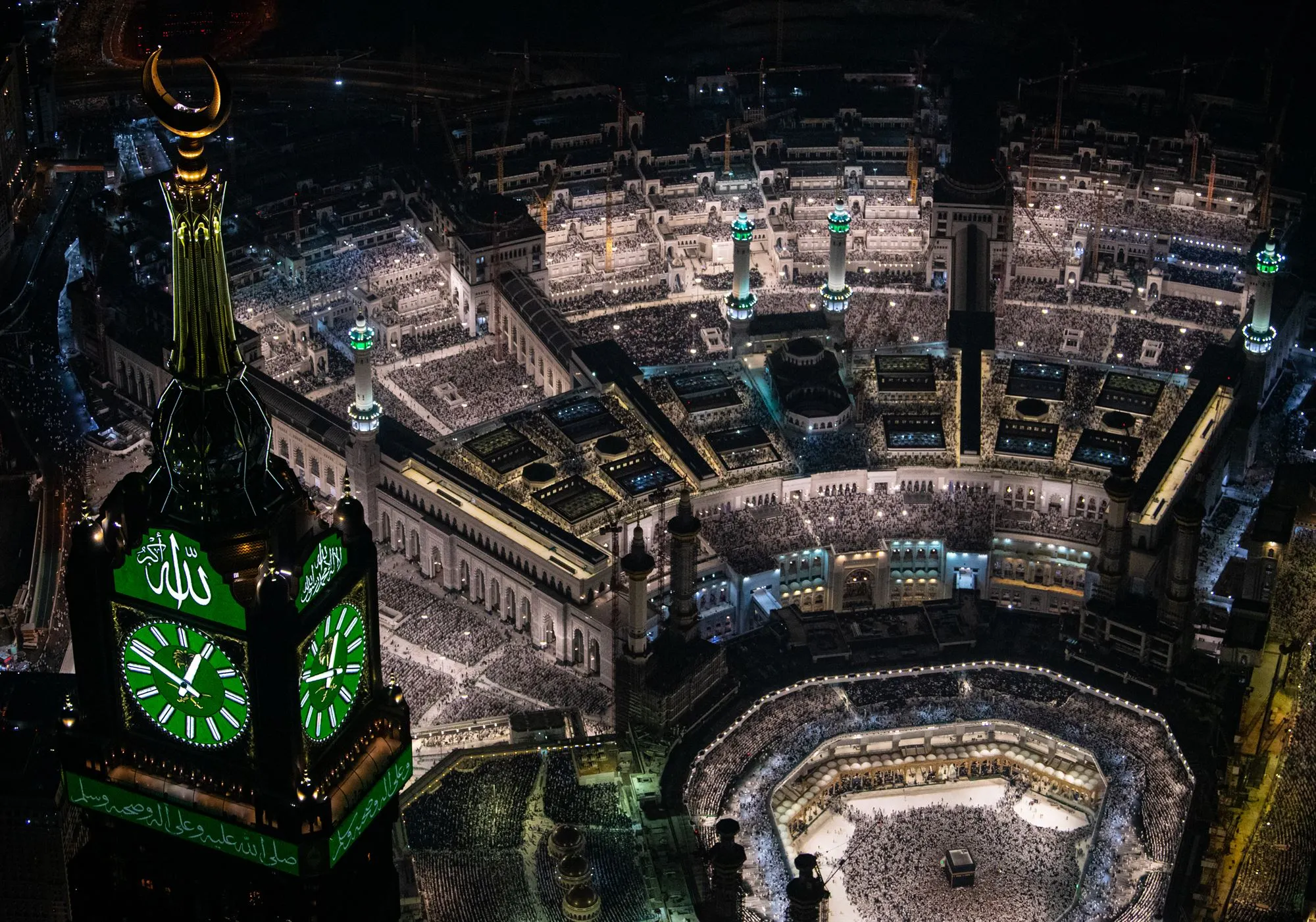
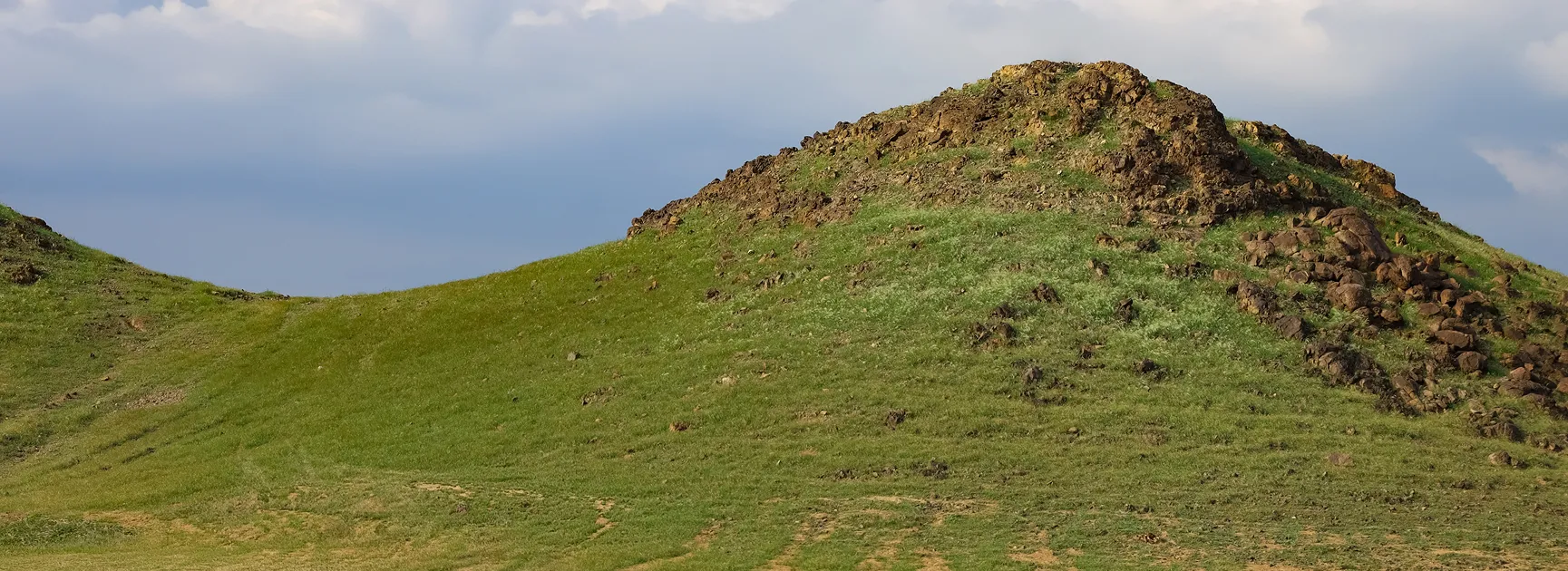
Makkah embraces within its heart the Sacred Mosque and the Holy Kaaba—the spiritual center toward which Muslims turn in prayer each day, and the destination to which pilgrims and visitors from every corner of the world travel to perform their rites. Located in western Saudi Arabia, the city lies within a valley surrounded by the Sarawat Mountains, about seventy kilometers from the Red Sea coast. It is not merely a geographic location, but a global religious, cultural, and historical center.
Throughout history, Makkah has been known by many names mentioned in classical references and heritage texts, exceeding more than fifty in number. Among the most prominent are: Makkah, Bakkah, Umm al-Qura, Al-Balad Al-Amin (the Safe City), and Al-Balad Al-Haram (the Sacred City).
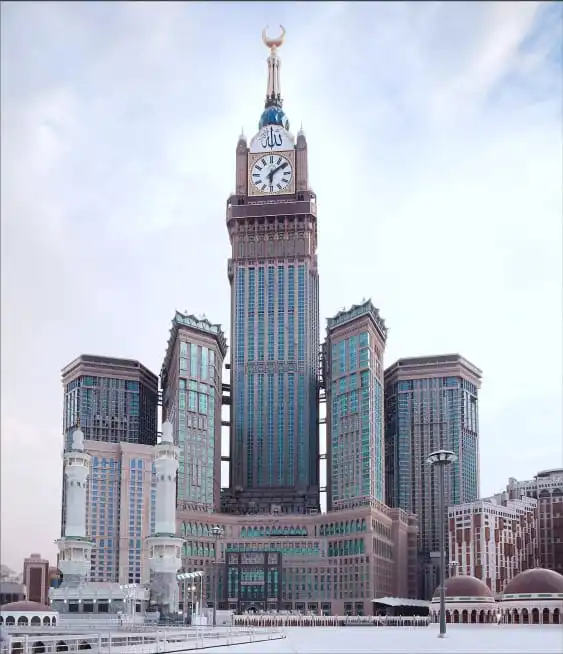
Since the unification of the Kingdom of Saudi Arabia by its founder, King Abdulaziz bin Abdulrahman Al Saud—may God have mercy on him—Makkah has witnessed comprehensive development and rapid progress across all fields. Today, it stands as a modern, thriving city that preserves its sanctity and its distinguished place in the hearts of Muslims and people around the world.
Last Updated : 27/06/1447 - 4:56 م Saudi Time





.webp?language=ar)

.webp?language=en)
.webp?language=en)
.webp?language=en)
.webp?language=en)

.jpg?language=ar)
.jpg?language=ar)
.webp?language=ar)


.webp?language=ar)
-(1).webp?language=ar)





 Language Switching


